
Wet and electric systems · Ireland
Underfloor Heating in Ireland: Cost, Types and Installation
Wet or electric underfloor heating, with county-by-county guidance on what it costs per square metre, whether new build or retrofit suits your home, how it pairs with a heat pump, and what the job involves.
The short version
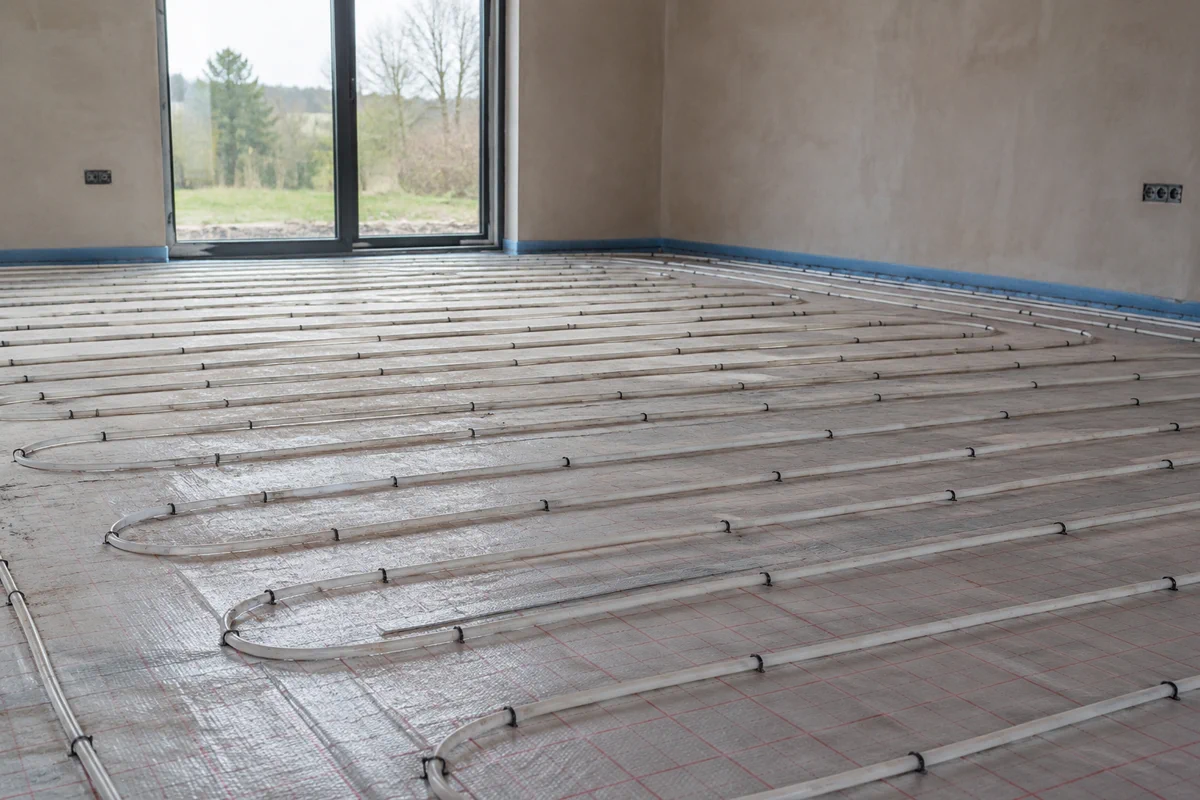
Underfloor heating in Ireland costs €50 to €100 per square metre for a wet system and €40 to €80 per square metre for electric in 2026, before floor finishes. A whole-house wet system runs to several thousand euro fitted. It is far cheaper in a new build than a retrofit, and it works best with a well-insulated floor. Choose your county below, or read on for the types, the 2026 costs, and what installation involves.
Whether you are laying loops into the screed of a new build in Meath, retrofitting an electric mat under new tiles in a Dublin bathroom, or planning a wet system to run off a heat pump in rural Galway, the same things decide the job: wet or electric, new build or retrofit, the floor build-up, and the heat source. Get those right and underfloor heating gives even, low-temperature warmth with no radiators on the walls.
Why it pairs so well
Underfloor Heating and Heat Pumps, a Natural Pair
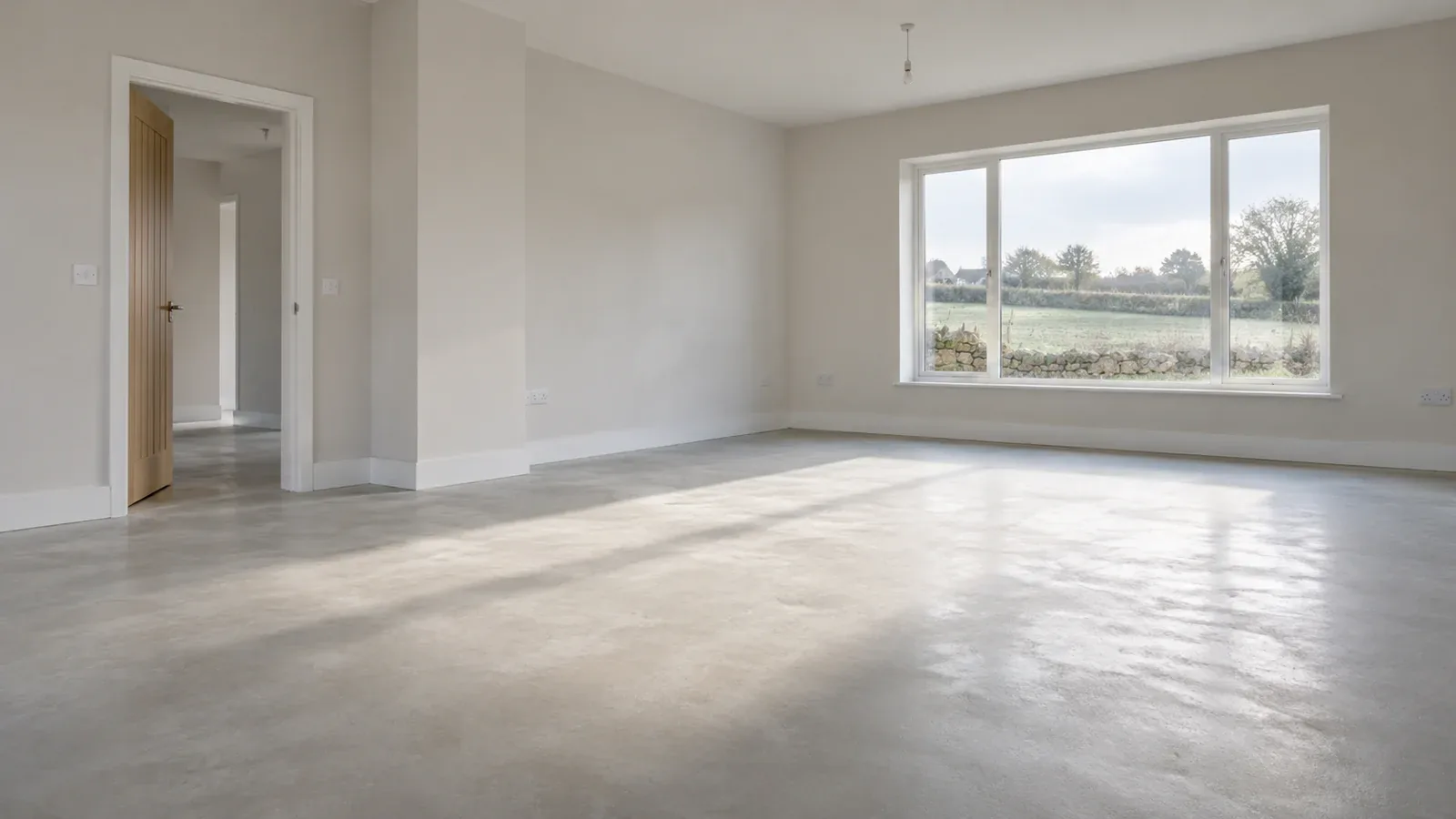
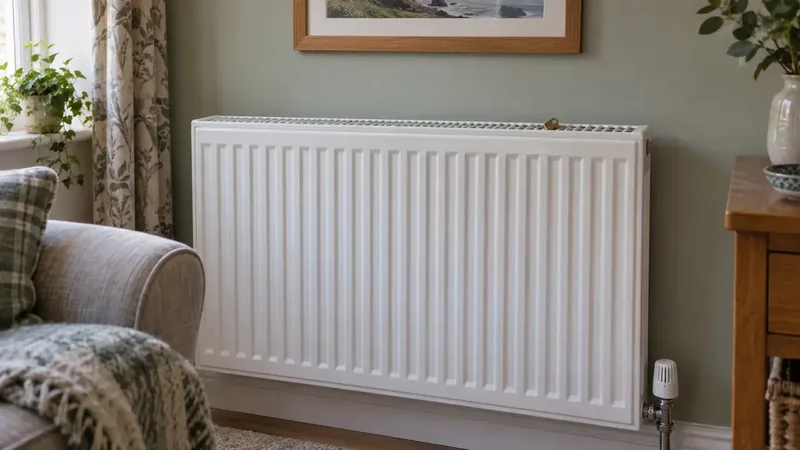
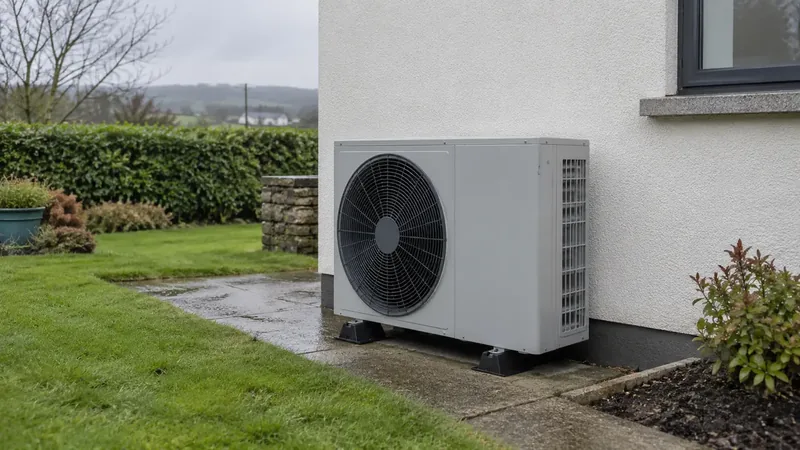
Underfloor heating runs at a much lower water temperature than radiators, typically around 35 to 45 degrees rather than 60 to 70. That low flow temperature is exactly where a heat pump is most efficient, so the two technologies are a natural pair and are increasingly specified together in Irish new builds and deep retrofits.
It is the same logic that drives the SEAI grants. A home moving to a heat pump usually needs low-temperature heat emitters to get the best out of it, and a wet underfloor system across the ground floor is one of the most effective ways to deliver that even, gentle heat while keeping running costs down.
- Low flow temperature suits a heat pump perfectly
- Even, gentle heat with no radiators on the walls
- Works best over a well-insulated floor build-up
Is it right for you
Signs Underfloor Heating Suits Your Home
Underfloor heating is not right for every home or every budget. It works best in the situations below, where the floor build-up, the insulation and the heat source all line up. These are the signs Irish installers look for.
A New Build or Extension
A new floor slab is the ideal time to lay wet underfloor heating, because the pipe goes in before the screed at the lowest possible cost.
A Retrofit With Insulation
A retrofit works well where the floor can take insulation and a low-profile system, keeping the heat in the room rather than the ground.
You Want Even, Gentle Heat
Underfloor heating warms the whole floor evenly, with no cold spots and no hot radiators, which suits open-plan living areas.
You Are Pairing It With a Heat Pump
The low flow temperature underfloor heating needs is exactly where a heat pump runs most efficiently, so the two work together.
You Have Tiled or Stone Floors
Tile and stone conduct heat well and hold it, so they are ideal finishes over underfloor heating in kitchens, halls and bathrooms.
You Want No Radiators on the Walls
With the heat coming from the floor, walls stay clear for furniture and glazing, which is why it suits modern open layouts.
The options
Wet vs Electric Underfloor Heating
Wet systems circulate warm water through pipe loops and suit whole-house heating. Electric systems use a heating mat or cable and suit single rooms. New build or retrofit changes the price of both. Here is what sets them apart.
Wet UFH, New Build
Pipe loops laid into the floor slab before the screed goes down, fed from a manifold. The most cost-effective way to fit wet underfloor heating, and the natural choice for a new build or a large extension running off a heat pump or boiler.
from€50 per m²
Wet UFH, Retrofit
A low-profile wet system laid over an existing floor, usually with insulation boards and a thin screed or panel. Costs more than a new build fit because of the floor build-up and the levels involved, but avoids radiators on the walls.
from€70 per m²
Electric UFH
A thin heating mat or cable set under tile or stone, wired to a thermostat. Quick to fit and ideal for a single room such as a bathroom or kitchen. Cheaper to install than wet, but more expensive to run, so best for smaller areas.
from€40 per m²
Manifold and Zoning
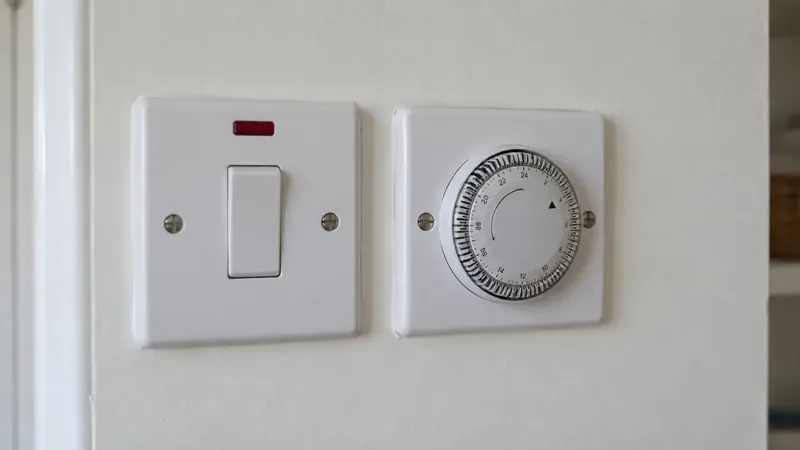
A wet system is controlled from a manifold that splits the flow into loops and lets you zone rooms independently. Zoning and room thermostats keep running costs down and let you heat the areas you use, when you use them.
from€400
2026 prices
How Much Does Underfloor Heating Cost in Ireland?
Underfloor heating in Ireland costs €50 to €100 per square metre for a wet system and €40 to €80 per square metre for electric in 2026, before floor finishes. A whole-house wet system comes to several thousand euro fitted. A new build fit sits at the low end, while a retrofit with a new floor build-up sits at the top.
- Get three written quotes, each stating the area in square metres
- A new build fit is far cheaper than a retrofit of the same area
- Electric is cheaper to fit but more expensive to run than wet
Every floor is different. Your installer will price the job on the area, the floor build-up and your county, so treat the figures on the right as a budgeting guide, not a quote.
- Wet UFH, new build, per m² €50–70
- Wet UFH, retrofit, per m² €70–100
- Electric UFH, per m² €40–80
- Manifold, supply and fit €400–900
- Whole-house wet system Several thousand
- Thermostat, per zone €80–200
Indicative ranges only. Always confirm with a written quote.
What Affects the Price of Underfloor Heating
New Build or Retrofit
A new build fit lays pipe into the slab before the screed at the lowest cost. A retrofit adds insulation boards, a floor build-up and levels work, which pushes the price up.
Wet or Electric
Electric is cheaper to install but more expensive to run, so it suits small rooms. Wet costs more up front but is far cheaper to run across a whole house.
Floor Area and Zoning
Larger areas cost more in pipe, manifold ports and thermostats, but the rate per square metre usually falls as the area grows.
Your County
Dublin and the commuter belt typically carry a 10 to 15 per cent premium over rural counties, down to demand and travel time.

SEAI grants
SEAI Grants for Underfloor Heating and Heat Pumps
There is no standalone SEAI grant for underfloor heating itself, but it rarely goes in alone. A heat pump system attracts a grant of up to €12,500, and solar water heating attracts €1,200, both through SEAI-registered contractors. Because underfloor heating is the low-temperature heat emitter a heat pump needs to run efficiently, the two are usually specified together, and the grant supports the wider upgrade the underfloor heating is part of.
See SEAI-registered plumbersOn the day
How Underfloor Heating Is Installed
A wet underfloor heating fit follows a clear sequence, from the insulation layer up to the finished floor. Here is how an installer works through it on a typical ground-floor system.
Lay the Insulation Layer
Insulation boards go down first so the heat rises into the room rather than being lost into the ground or the slab below.
Set Out the Pipe Loops
Continuous pipe is clipped or tracked in loops across the floor, spaced to give even heat, with each loop sized to the room.
Connect to the Manifold
Every loop returns to a manifold, which splits the flow, balances the loops and connects the system to the heat source.
Pressure Test the System
The pipework is filled and pressure tested before anything is covered, so any leak is found while the pipe is still accessible.
Pour the Screed or Panel
A screed is poured over wet loops, or low-profile panels are laid in a retrofit, encasing the pipe and spreading the heat evenly.
Commission and Set the Controls
Once cured, the installer commissions the system, sets the flow temperature and programmes the zone thermostats for each room.
Hiring
How to Choose an Underfloor Heating Installer
Underfloor heating ties into your wider heating system, so the installer needs to get the design, the flow temperature and the controls right. A good quote is specific and a good installer is easy to check.
Ask for a System Design
A proper fit starts with a design that sets loop spacing, flow temperature and heat output for each room, not just a price per square metre.
Get Three Written Quotes
Each quote should state the area in square metres, the system type, the manifold, the controls and any floor build-up. A vague quote is incomplete.
Check Heat Source Experience
If the system runs off a heat pump, ask whether the installer has fitted low-temperature underfloor heating with a heat pump before.
Confirm SEAI Registration
If a heat pump grant is part of the job, your contractor must be SEAI-registered before any grant-funded work begins.
Local coverage
Underfloor Heating by County in Ireland
Whether your home is a new build or a retrofit, how it is heated, and how fast an installer can reach you all come down to where you live. Choose your county for local 2026 prices and installers.
Leinster
12 countiesLeinster sees the most new build work, from Dublin apartments to the Meath, Kildare and Wicklow commuter belt, where wet underfloor heating goes into the slab from the start, often paired with a heat pump.
Munster
6 countiesCork, Limerick and rural Munster carry a steady mix of new build wet systems and heat pump retrofits, with electric underfloor heating popular for single rooms in bathroom and kitchen refits.
Connacht
5 countiesOff the gas grid across much of the west, Galway, Mayo and the surrounding counties lean towards heat pumps, and wet underfloor heating is the natural low-temperature partner in new builds and deep retrofits.
Common questions
Underfloor Heating Questions From Irish Homeowners
How much does underfloor heating cost in Ireland in 2026?
A wet underfloor heating system costs €50 to €100 per square metre in 2026, before floor finishes, and an electric system €40 to €80 per square metre. A whole-house wet system comes to several thousand euro fitted. A new build fit sits at the low end, while a retrofit with a new floor build-up sits at the top.
Is wet or electric underfloor heating better?
Wet underfloor heating suits whole-house heating and is far cheaper to run, which is why it is used across new builds and larger areas. Electric is cheaper to install and quick to fit, but more expensive to run, so it suits single rooms such as a bathroom or kitchen rather than a whole house.
Is underfloor heating cheaper in a new build or a retrofit?
It is much cheaper in a new build. In a new build the wet pipe is laid into the floor slab before the screed, so a wet system starts around €50 per square metre. A retrofit adds insulation, a floor build-up and levels work, which pushes the fitted rate towards €100 per square metre.
Does underfloor heating work with a heat pump?
Yes, and the two are a natural pair. Underfloor heating runs at a low flow temperature of around 35 to 45 degrees, which is exactly where a heat pump is most efficient. That is why wet underfloor heating is so often specified alongside a heat pump in Irish new builds and deep retrofits.
Is there an SEAI grant for underfloor heating?
There is no standalone SEAI grant for underfloor heating itself. However, it usually goes in as part of a heat pump upgrade, and a heat pump system attracts an SEAI grant of up to €12,500 through an SEAI-registered contractor, with €1,200 available for solar water heating. Underfloor heating is the low-temperature heat emitter that upgrade needs.
Can underfloor heating be retrofitted to an existing home?
Yes. A retrofit uses a low-profile wet system or an electric mat laid over the existing floor, usually with insulation boards and a thin screed or panel. It works best where the floor can take the extra build-up and the insulation, so the heat rises into the room rather than being lost downwards.
What floor finish is best over underfloor heating?
Tile and stone are the best finishes because they conduct heat well and hold it, which is why underfloor heating suits kitchens, halls and bathrooms. Engineered wood and some vinyls are also suitable if rated for underfloor heating. Deep-pile carpet and thick underlay insulate the floor and reduce output, so they are best avoided.
How long does underfloor heating take to install?
The pipe or mat itself goes down quickly, but a wet system needs the screed to cure before the floor finish goes on and before the system is run at full temperature. Your installer will set out the timeline for your floor build-up, as it depends on the screed used and the area involved.
Find an Underfloor Heating Installer Near You
Underfloor heating quotes from installers in every county. Contact them directly, no fees, no sign-up.
Browse plumbers by county