
24/7 call-outs · Ireland
Emergency Plumber in Ireland: 24 Hour Call-Out and Cost
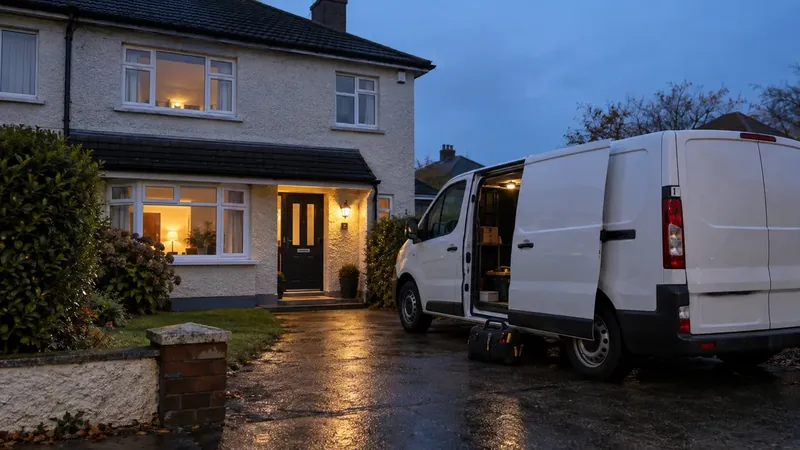
A burst pipe, a leak you cannot stop, no water or no heat: an emergency plumber can reach most Irish homes the same day or through the night. Find a plumber in your county, see what a call-out costs, and get the steps to take right now.
The short version
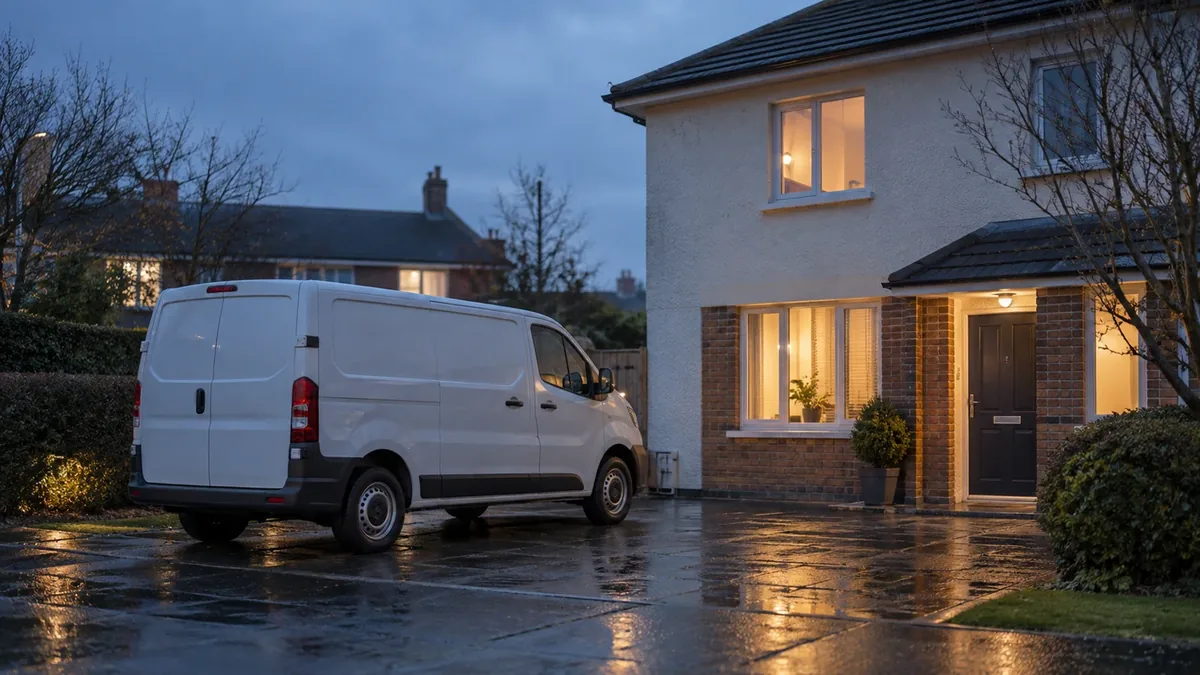
An emergency plumber in Ireland typically costs €80 to €150 for the call-out before any parts, with out-of-hours, weekend and bank holiday rates higher again. Most emergency plumbers cover their county 24 hours a day, so the fastest route to help is to isolate the water at the stopcock, then find a plumber near you below.
Water damage gets worse by the minute, so a plumbing emergency is about speed as much as skill. Whether it is a burst pipe flooding a Dublin hallway, a leaking cylinder in a Cork attic or a blocked toilet overflowing in rural Galway, the first job is to stop the water, and the second is to get a plumber who can actually come out. Choose your county below for local plumbers, or read on for what counts as an emergency, what it costs and what to do first.
Before it happens
Know Where Your Stopcock Is
The best time to find your main stopcock is before you ever need it. In most Irish homes it sits under the kitchen sink, in a utility room or where the mains supply enters the house, and turning it clockwise shuts off the water to the whole property.
Take a minute to locate yours and check it turns freely, as old valves can seize up. If you rent, ask your landlord or letting agent where it is. When a pipe bursts, knowing exactly where to go can save you thousands in water damage.
- Usually under the kitchen sink or where the mains enters
- Turn it clockwise to shut the water off
- Check it turns freely before you ever need it
What counts as urgent
Plumbing Emergencies We Cover
Not every plumbing problem needs a middle-of-the-night call-out, but these do. If you are dealing with any of the below, isolate the water first, then get a plumber out as soon as you can.
Burst Pipe or Flooding
Water pouring from a pipe or ceiling. Turn off the mains at the stopcock straight away, then call a plumber before the damage spreads.
A Major Leak
A steady leak you cannot stop, under a sink, at a cylinder or behind a wall, that is soaking floors, ceilings or electrics.
No Water at All
No water from any tap when neighbours are fine usually points to a fault on your side of the meter that needs a plumber.
Blocked Toilet or Overflow
A toilet that will not flush or is overflowing, or drains backing up, is both a health issue and a fast route to water damage.
Boiler Leak or No Heat
A leaking boiler or a total loss of heat and hot water in cold weather, especially with vulnerable people in the home.
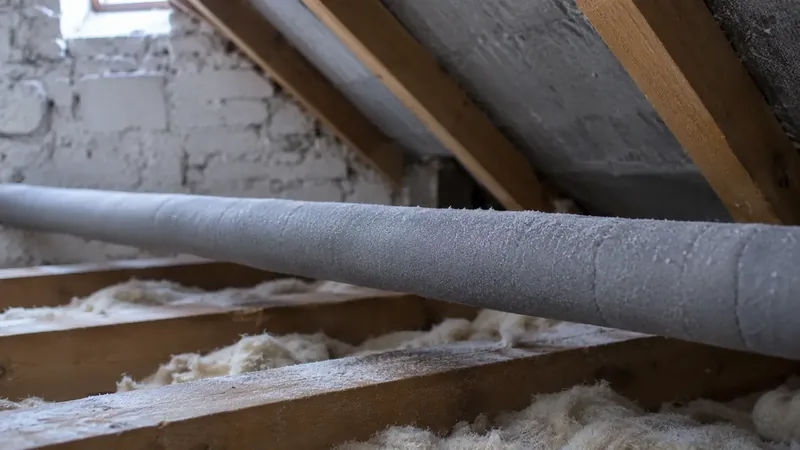
Frozen or Burst Pipes
Frozen pipes in a cold snap can burst as they thaw. Catching them early can be the difference between a repair and a flood.
Act now or wait
When to Call an Emergency Plumber vs Wait
Some problems can wait for a normal weekday appointment and some cannot. Here is how the common emergencies break down, and roughly what each tends to cost once a plumber is on site.
Burst Pipe
A genuine emergency. Water escaping under pressure damages floors, ceilings and wiring within minutes. Isolate the mains at the stopcock, drain the taps and call a plumber straight away, day or night.
from€120
Serious Leak
A leak soaking into floors, ceilings or near electrics should not wait. Contain it with a bucket and towels, turn off the water to that fitting if you can, and get a plumber out the same day.
from€100
No Hot Water or Heat
Uncomfortable but rarely dangerous, unless it is very cold or someone in the home is vulnerable. Worth an urgent call-out in winter, otherwise the next available appointment is usually fine.
from€90
Blocked Drain
A slow drain can wait a day. A fully blocked toilet with no other loo, or sewage backing up, is urgent for health reasons and should be cleared as soon as possible.
from€90
2026 prices
How Much Does an Emergency Plumber Cost in Ireland?
An emergency plumber in Ireland typically charges €80 to €150 for the call-out before any parts, covering the first period on site. Out-of-hours, weekend and bank holiday rates are higher again, and materials such as pipe, fittings or a new valve are on top.
- Ask for the call-out fee and the hourly rate before they set out
- Out-of-hours, weekend and bank holiday rates run higher
- Parts and materials are charged on top of the labour
Every emergency is different. The final cost depends on the fault, the time of day and your county, so treat the figures on the right as a guide and confirm the rate on the phone before the plumber travels.
- Call-out, standard hours €80–150
- Out-of-hours or weekend call-out €120–220
- Burst pipe repair €150–350
- Unblocking a drain or toilet €90–200
- Tracing and stopping a leak €100–250
- Boiler or heating fault call-out €90–180
Indicative ranges only. Always confirm the rate on the phone first.
What Affects an Emergency Call-Out Price
Time of Day
A call-out at 2am, at the weekend or on a bank holiday costs more than the same job on a weekday morning. Ask which rate applies before the plumber sets out.
The Parts Needed
The call-out fee rarely includes materials. A length of pipe, a new valve or a replacement cylinder is charged on top, so ask for the parts to be itemised.
How Long It Takes
Many plumbers cover a set first period in the call-out fee, then charge by the hour. A quick fix costs less than tracing a hidden leak through a wall.
Your County
Dublin and the commuter belt tend to carry a premium over rural counties, and a plumber travelling a long distance out of hours may charge for the journey.
Is it really urgent
What Counts as a Real Emergency
A true plumbing emergency is anything causing active water damage or a health or safety risk: a burst pipe, an uncontrollable leak, sewage backing up, or no heat in freezing weather with vulnerable people at home. These justify an out-of-hours call-out and its higher rate.
A dripping tap, a slow drain, low pressure or a single radiator not heating can almost always wait for a normal weekday appointment, and you will pay far less. Knowing the difference saves you money and helps the plumber prioritise the calls that genuinely cannot wait.
Right now
What to Do in a Plumbing Emergency
Before the plumber arrives, these steps limit the damage and keep everyone safe. Water and electrics are the priority, in that order.
Turn Off the Stopcock
Find your main stopcock, usually under the kitchen sink or where the mains enters the house, and turn it clockwise to shut off the water. This is the single most important step.
Switch Off the Heating
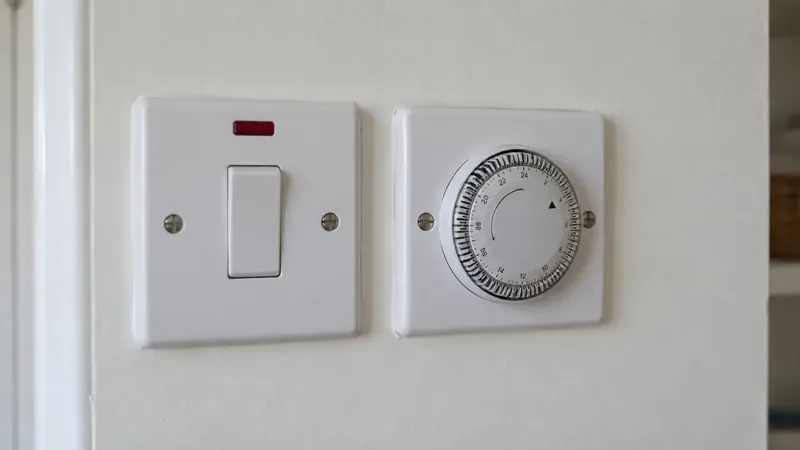
Turn off the boiler and the immersion heater. With the water supply cut, leaving them on can damage the boiler or the immersion element.
Catch and Contain the Water
Open the cold taps to drain the system down, and use buckets, basins and towels to catch what is still escaping and steer it away from electrics.
Turn Off Electrics Near Water
If water is near sockets, wiring or the consumer unit, switch off the power to that area at the fuseboard. Do not touch anything electrical while standing in water.
Call an Emergency Plumber
Ring a plumber in your county, describe the problem clearly and ask for the call-out fee and rate before they travel, so there are no surprises on the bill.
Take Photos for Insurance
Before the clean-up starts, photograph the damage and the source of the leak. Most home insurance policies want evidence of what happened and when.
Fair pricing
Avoiding Call-Out Rip-Offs
Emergencies are where a small number of operators overcharge, because they know you are under pressure. The simplest protection is to agree the numbers before anyone travels: the call-out fee, the hourly rate, and whether an out-of-hours or weekend surcharge applies.
Be wary of anyone who will not quote a rate over the phone, or who quotes a low call-out fee then adds vague charges once the work is done. Ask for the final bill to be itemised into call-out, labour and parts, and keep it for any insurance claim.
- Agree the call-out fee and rate before they travel
- Ask whether an out-of-hours surcharge applies
- Get call-out, labour and parts itemised on the bill
Hiring
How to Choose an Emergency Plumber
In an emergency it is tempting to ring the first number you find. A few quick checks still protect you from an inflated bill or a botched repair.
Confirm the Rate First
Before the plumber travels, ask for the call-out fee, the hourly rate and whether an out-of-hours charge applies. A clear answer on the phone is a good sign.
Check They Can Actually Come
Ask for a realistic arrival time, not just a yes. A plumber who is honest about being two hours away is better than one who never turns up.
Use a Local Plumber
A plumber based in or near your county reaches you faster and charges less for travel than someone driving across the country out of hours.
Ask for an Itemised Bill
Get the call-out, labour and parts written down separately. It keeps the charge honest and gives you what you need for an insurance claim.
Local coverage
Emergency Plumbers by County in Ireland
How fast a plumber can reach you, and what an out-of-hours call-out costs, comes down to where you live. Choose your county for local emergency plumbers you can contact directly.
Leinster
12 countiesFrom Dublin city and the commuter belt out to the wider region, Leinster has the deepest pool of plumbers, so same-day and out-of-hours cover is usually easiest to find here, though city rates run higher.
Munster
6 countiesCork, Limerick and Waterford cities have plenty of emergency cover, while a plumber reaching rural Kerry or west Cork out of hours may charge more for the travel involved.
Connacht
5 countiesGalway city aside, much of Connacht is rural, so an emergency plumber may take longer to reach you and factor the distance into the call-out. Older housing stock also means burst-pipe calls in cold snaps.
Common questions
Emergency Plumber Questions From Irish Homeowners
How much does an emergency plumber cost in Ireland?
An emergency plumber in Ireland typically charges €80 to €150 for the call-out before any parts, covering the first period on site. Out-of-hours, weekend and bank holiday rates are higher, often €120 to €220, and materials are charged on top. Always confirm the rate on the phone before the plumber travels.
Are emergency plumbers available 24 hours in Ireland?
Yes. Many plumbers offer a 24 hour emergency service across their county, including nights, weekends and bank holidays. Out-of-hours call-outs carry a higher rate than a standard weekday visit, so ask what applies before the plumber sets out.
What counts as a plumbing emergency?
A plumbing emergency is anything causing active water damage or a health or safety risk: a burst pipe, an uncontrollable leak, sewage backing up, a blocked toilet with no alternative, or no heat in freezing weather with vulnerable people at home. A dripping tap, slow drain or single cold radiator can usually wait for a normal appointment.
What should I do first if a pipe bursts?
Turn off the water at your main stopcock, usually under the kitchen sink or where the mains enters the house, by turning it clockwise. Then switch off the boiler and immersion, open the cold taps to drain the system, and keep water away from electrics before calling an emergency plumber.
Where is my stopcock and how do I turn the water off?
In most Irish homes the main stopcock is under the kitchen sink, in a utility room, or where the mains supply enters the property. Turn it clockwise to shut off the water to the whole house. It is worth finding it and checking it turns freely before you ever have an emergency.
How quickly can an emergency plumber reach me?
In cities and larger towns an emergency plumber can often reach you within an hour or two, while rural areas may take longer. Rather than accept a vague promise, ask for a realistic arrival time when you call, and use a plumber based in or near your county for the fastest response.
How can I avoid being overcharged in an emergency?
Agree the numbers before anyone travels: the call-out fee, the hourly rate and any out-of-hours surcharge. Be wary of anyone who will not quote a rate over the phone. Ask for the final bill to be itemised into call-out, labour and parts, which also gives you what you need for an insurance claim.
Find an Emergency Plumber Near You
Emergency plumbers covering every county in Ireland. Contact them directly, no fees, no sign-up.
Browse plumbers by county