
Plumbing & immersion work · Ireland
Hot Water Cylinder Replacement in Ireland: Cost and Types
Copper, unvented pressurised, direct or indirect: county-by-county guidance on what a new hot water cylinder costs, which type suits your home, what the job involves, and how to choose a plumber for the work.
The short version
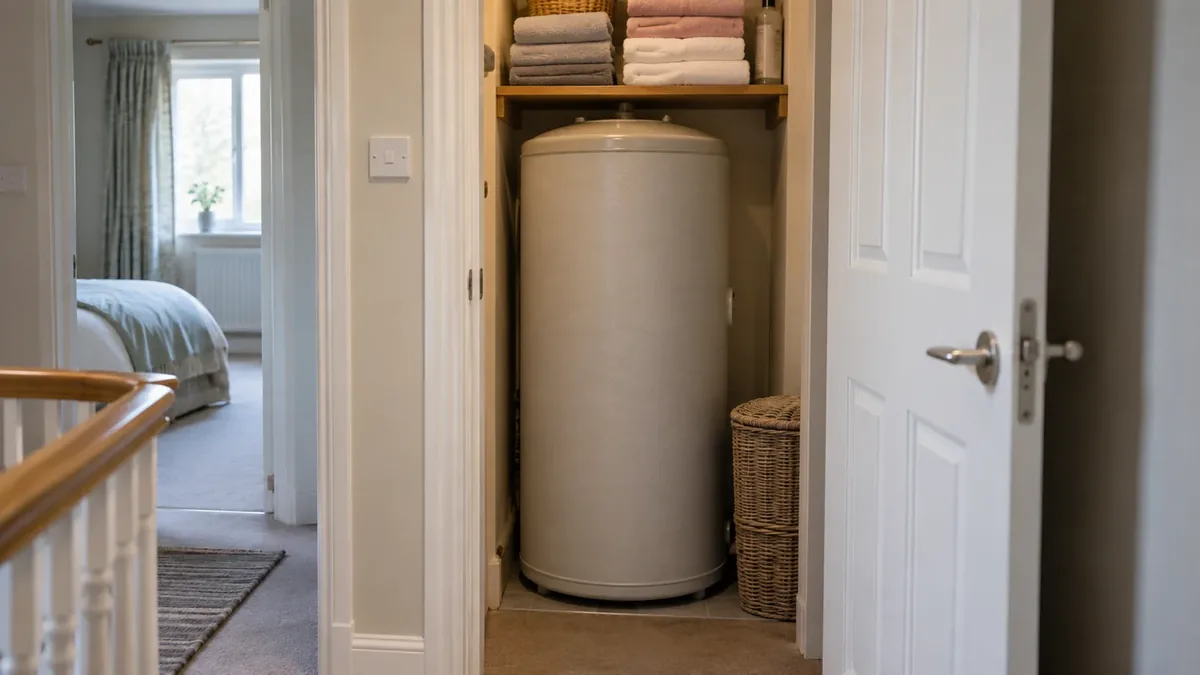
Hot water cylinder replacement in Ireland costs €600 to €1,200 fitted for a copper cylinder in 2026, and €1,000 to €2,000 for an unvented pressurised cylinder. This is plumbing and immersion work, so a general plumber can carry it out, and every county below has plumbers who do it. Choose yours for local prices, or read on for the cylinder types, the 2026 costs and what the job involves.
Whether you are replacing a corroded copper cylinder in a Dublin semi, moving from a vented tank to a mains-pressure unvented cylinder, or just swapping a failed immersion element, the same things decide the job: the cylinder type your home is plumbed for, whether you keep the layout or change it, and who you hire. Get those right and a cylinder swap is usually a half-day to one-day job.
Sizing
Sizing a Cylinder to Your Household
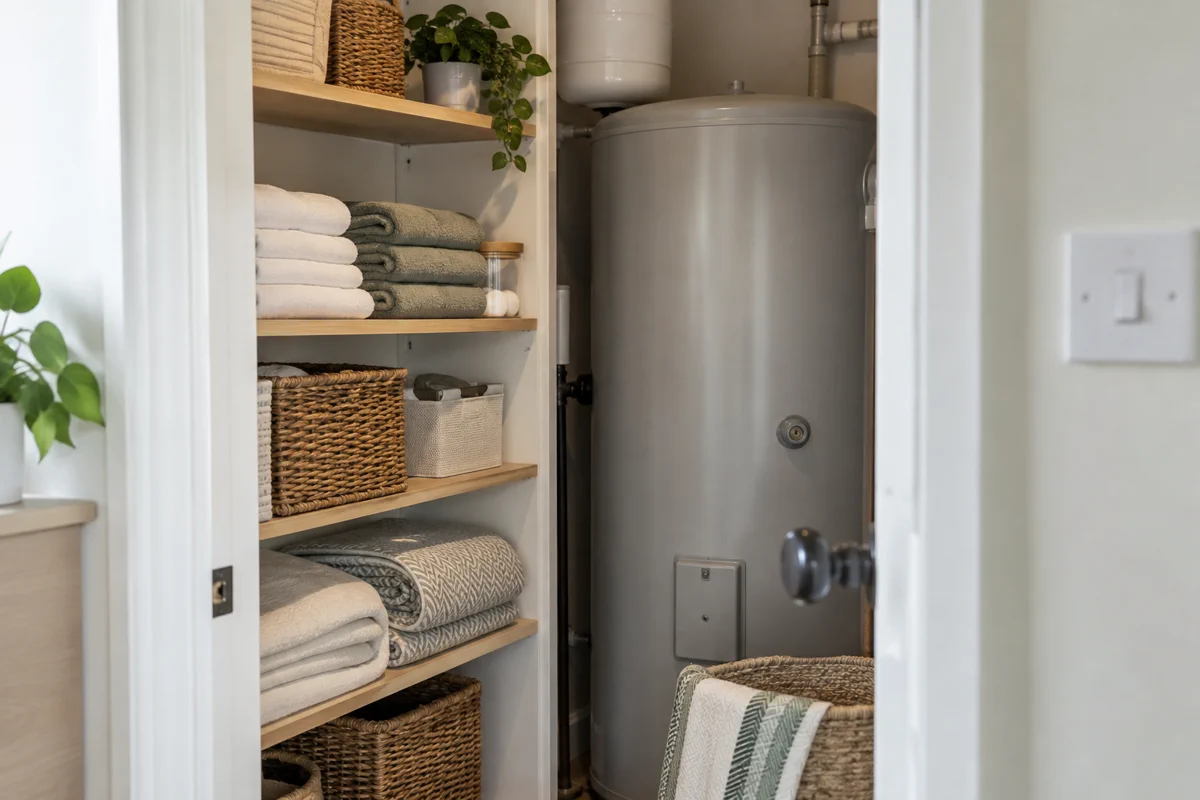
The most common complaint after a cylinder swap is running short of hot water, and it almost always comes down to size. A cylinder that suited a two-person home years ago will struggle once there are teenagers and a second bathroom in the house.
A good plumber sizes the cylinder to the number of people and bathrooms, and to how you use hot water, rather than simply matching the litre size of the old one. A slightly larger cylinder costs a little more up front but avoids the immersion running flat out to keep up.
- Size to people and bathrooms, not just the old cylinder
- Recovery time matters as much as raw litre capacity
- A well-insulated cylinder holds heat longer between draws
When to replace
Signs Your Hot Water Cylinder Needs Replacing
A cylinder can last many years, but corrosion, poor insulation and a failing immersion all cost you in the end. If you notice more than one of these, a new cylinder is usually cheaper long-term than patching the old one.
Not Enough Hot Water
Running out mid-shower, or a cylinder that no longer serves the whole household, often means it is undersized, scaled up or losing heat fast.
Slow to Heat Up
A cylinder that takes far longer than it used to points to scale on the coil, a tired immersion element or a failing thermostat.
Leaks or Rust Marks
Damp patches, green corrosion on copper or rust staining around the fittings mean the cylinder is on its way out and should be replaced.
Old Vented Copper Cylinder
An older uninsulated or thinly lagged vented cylinder wastes heat around the clock and is a common candidate for an upgrade.
Noisy When Heating
Rumbling, hissing or crackling as it heats usually points to limescale on the immersion element or coil, dragging efficiency down.
High Water Heating Bills
A poorly insulated cylinder or a failing element makes the immersion run longer, so your electricity bill climbs for the same amount of hot water.
The options
Hot Water Cylinder Types in Ireland
Vented copper, unvented pressurised, direct or indirect: each suits a different home and carries a different fitted price. Here is what sets them apart before you get a quote.
Vented Copper Cylinder
The traditional Irish cylinder, fed from a cold tank in the attic. Sits in the hot press and is heated by the boiler coil, an immersion element, or both. A straightforward like-for-like swap in most older homes.
from€600
Unvented Pressurised
Fed straight from the mains with no attic tank, delivering hot water at mains pressure to every tap and shower. Needs a safe location for the discharge pipe and suits homes wanting stronger, balanced pressure.
from€1,000
Direct Cylinder
Heated by one or two immersion elements only, with no boiler coil. Common where there is no boiler feeding the hot water, or as a simple electric hot water store with a dual immersion for day and night rates.
from€600
Indirect Cylinder
Heated mainly by the boiler through an internal coil, with an immersion element as backup. The usual choice where a boiler heats both the radiators and the hot water in an Irish home.
from€650
2026 prices
How Much Does a Hot Water Cylinder Cost in Ireland?
A hot water cylinder replacement in Ireland costs €600 to €1,200 fitted for a copper cylinder in 2026, with labour and VAT included. A like-for-like copper swap sits at the low end, while an unvented pressurised cylinder, at €1,000 to €2,000, sits at the top because of the extra controls and safe discharge it needs.
- Get quotes that name the cylinder make, litre size and grade
- A failed immersion element alone is €150 to €300, not a full swap
- Changing to unvented adds mains checks and a discharge route
Every hot press is different. Your plumber will price the job on the cylinder, the pipework and your county, so treat these figures as a budgeting guide, not a quote.
- Copper cylinder, supply and fit €600–1,200
- Unvented pressurised cylinder €1,000–2,000
- Indirect cylinder, supply and fit €650–1,300
- Immersion element replacement €150–300
- Cylinder thermostat replacement €80–150
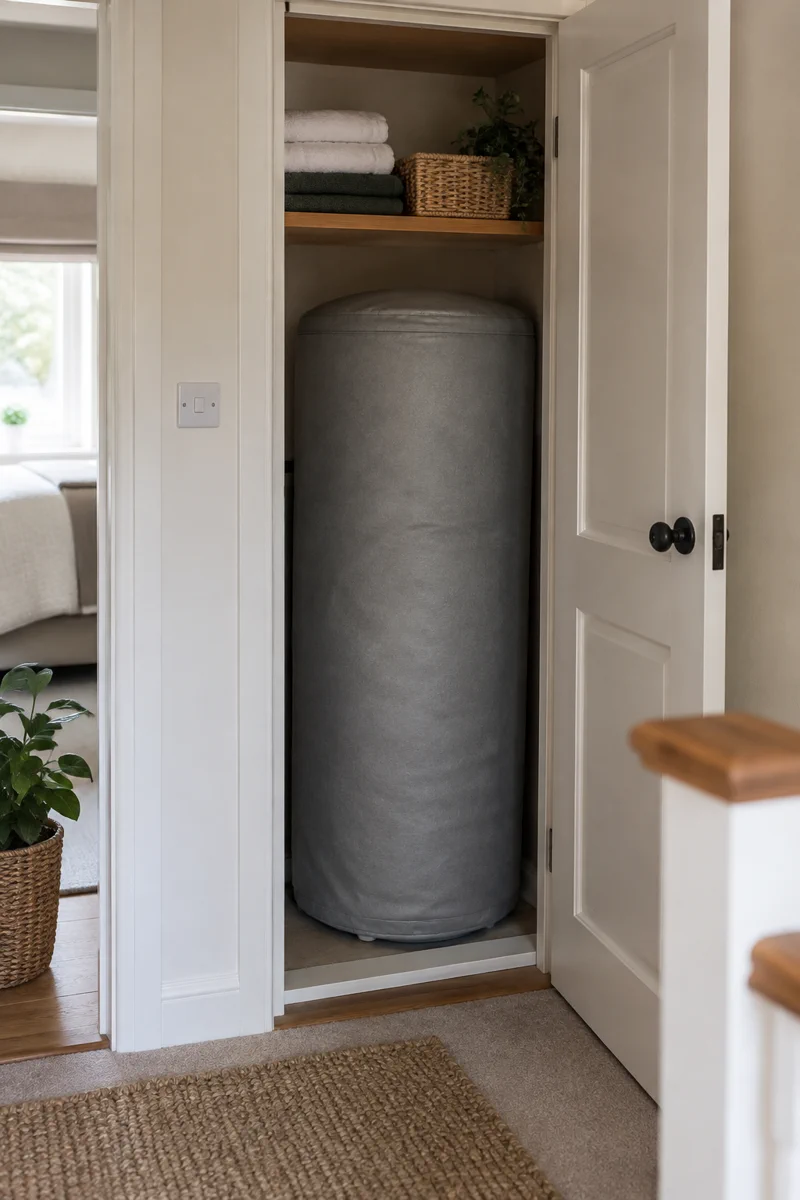
- Lagging jacket, supplied and fitted €30–60
Indicative ranges only. Always confirm with a written quote.
What Affects the Price of a New Cylinder
Cylinder Size and Grade
A larger litre capacity and a heavier copper or stainless grade cost more, but suit bigger households and last longer in hard-water areas.
Vented or Unvented
Moving to an unvented pressurised cylinder adds a mains-pressure check, expansion and safety controls, and a safe discharge route, so it costs more than a copper swap.
Access to the Hot Press
A tight airing cupboard, an awkward attic run or seized old fittings all add labour to what is otherwise a quick job.
Your County
Dublin and the commuter belt typically carry a 10 to 15 per cent premium over rural counties, down to demand and travel time.
Vented vs unvented
Vented vs Unvented, What Changes
A vented copper cylinder is fed from a cold tank in the attic and delivers hot water at gravity pressure, which is why upstairs showers can feel weak. An unvented pressurised cylinder does away with the attic tank and feeds from the mains, so every tap and shower runs at mains pressure.
Unvented cylinders bring stronger, more balanced pressure, but they need a good incoming mains flow, expansion and safety controls, and a safe route for the discharge pipe. That is why they cost more to fit than a straight copper swap, and why the plumber will check your mains before recommending one.
On the day
How a Cylinder Replacement Works
A like-for-like copper cylinder swap is usually a half-day to one-day job. Here is how a plumber works through it, from draining the old cylinder to testing the new one.
Isolate and Drain the Cylinder
The plumber isolates the water and any immersion supply, then drains the old cylinder down before disconnecting it.
Remove the Old Cylinder
The old cylinder is disconnected from the coil, immersion and pipework and lifted out of the hot press or airing cupboard.
Fit and Connect the New Cylinder
The new cylinder is set in place and connected to the cold feed, hot draw-off, boiler coil where present and the immersion element.
Add Controls and Insulation
A cylinder thermostat is set, any expansion and safety controls are fitted on an unvented unit, and the lagging jacket or factory insulation is checked.
Refill and Test for Leaks
The system is refilled, vented and checked at every joint for leaks before the immersion and coil are brought back into use.
Heat Up and Hand Over
The plumber heats the cylinder, confirms the temperature at the taps, and talks you through the thermostat setting and timer.
Controls
Getting the Immersion and Controls Right
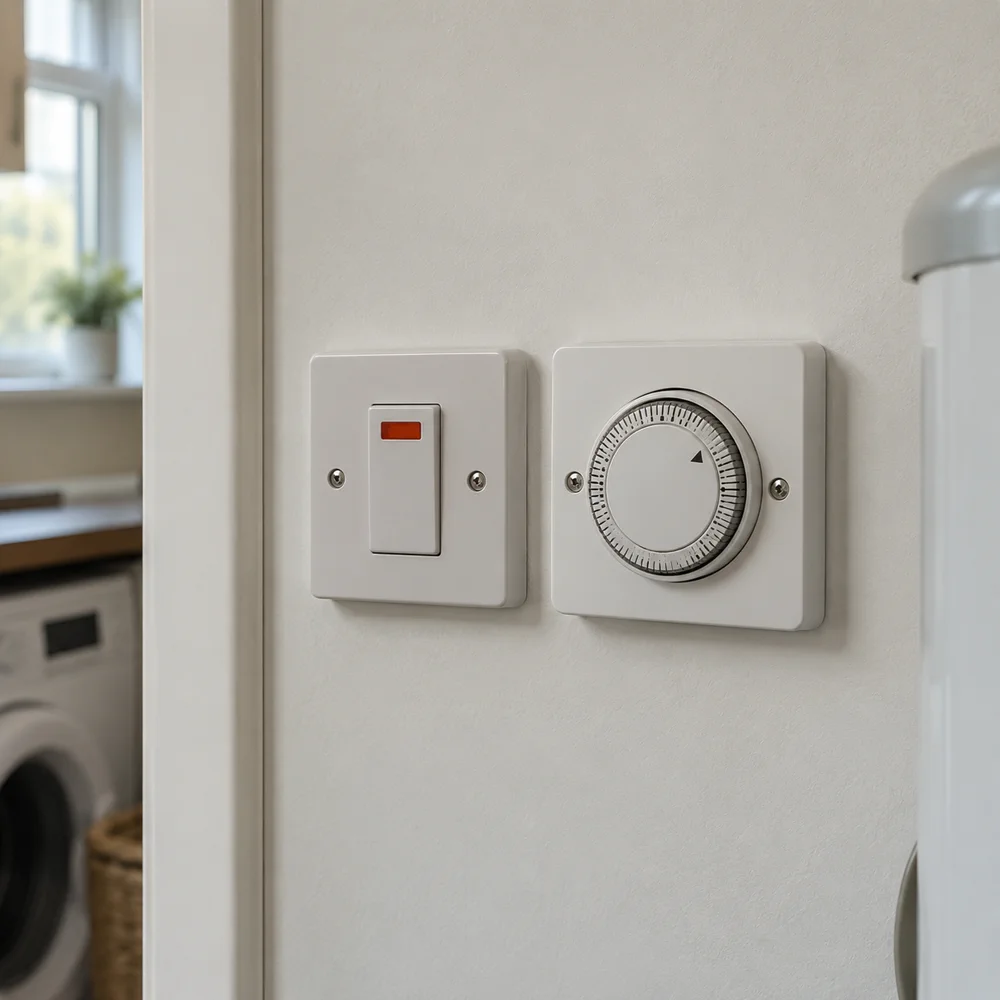
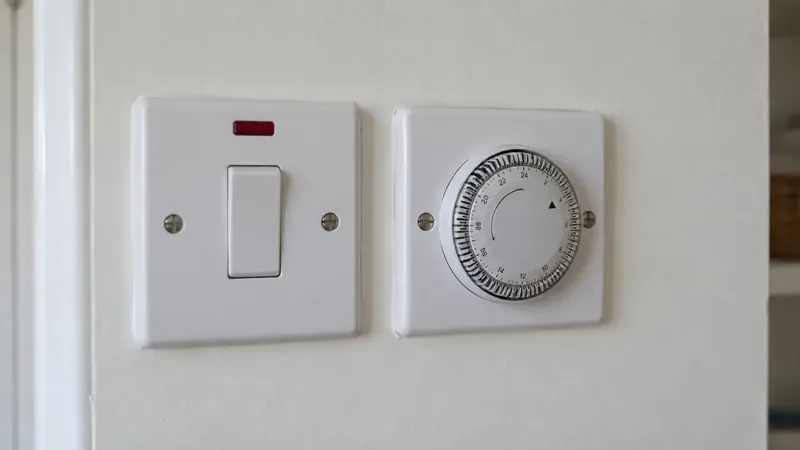
The immersion element and thermostat do a lot of the work, and they are where most cylinder faults show up. A failed element leaves you with cold water even when everything else is fine, and it is a repair rather than a full cylinder replacement, at €150 to €300 in most homes.
A dual immersion, with an element near the top and one lower down, lets you heat a smaller amount quickly at the top or the full cylinder overnight on a cheaper rate. Setting the thermostat correctly and lagging the cylinder and pipes well are the simplest ways to cut what water heating costs you.
- A failed immersion element is a repair, not a full swap
- A dual immersion suits day-rate top-ups and overnight heating
- A lagging jacket at €30 to €60 pays for itself in wasted heat
Hiring
How to Choose a Plumber for a Cylinder
A hot water cylinder is standard plumbing and immersion work, so any competent plumber can do it. Beyond that, a good quote is specific and a good plumber is easy to check.
Get Three Written Quotes
Each quote should name the cylinder make, the litre size, the grade and the labour. A quote with no named cylinder is incomplete and hard to compare.
Ask About Unvented Competence
An unvented pressurised cylinder involves mains-pressure safety controls. Confirm the plumber has fitted unvented units before if that is the route you want.
Check Sizing for Your Home
Ask the plumber to size the cylinder to your household and number of bathrooms, not just replace like-for-like if the old one always ran short.
Look for Reviews and Insurance
Recent local reviews and public liability cover are basic reassurance. A plumber who is easy to verify is usually the safer hire.
Local coverage
Hot Water Cylinder Replacement by County in Ireland
What you pay, how quickly a plumber can reach you, and whether you go vented or unvented all come down to where you live. Choose your county for local 2026 prices and plumbers who fit cylinders.
Leinster
12 countiesFrom older Dublin and Kildare homes with a copper cylinder in the hot press to newer Meath and Wicklow builds moving to mains-pressure unvented cylinders, Leinster sees the full range of cylinder work.
Munster
6 countiesCork, Limerick and Kerry mix city homes on strong mains with rural properties on their own supply, so plumbers here fit both straight copper swaps and unvented cylinders where the mains allows.
Connacht
5 countiesOlder rural homes across Galway, Mayo and the west often run vented copper cylinders heated by oil boilers, so like-for-like replacements and immersion repairs make up much of the work.
Common questions
Hot Water Cylinder Questions From Irish Homeowners
How much does a hot water cylinder cost in Ireland in 2026?
A copper hot water cylinder costs €600 to €1,200 supplied and fitted in 2026, and an unvented pressurised cylinder €1,000 to €2,000. An indirect cylinder runs €650 to €1,300. These figures include labour and VAT, and the cylinder size and grade move the final price.
How long does it take to replace a hot water cylinder?
A like-for-like copper cylinder swap is usually a half-day to one-day job. Changing from a vented to an unvented pressurised cylinder takes longer, because the plumber adds mains-pressure safety controls and a safe discharge route.
Do I need a plumber to replace a hot water cylinder?
Yes. A hot water cylinder replacement is plumbing and immersion work, so a competent plumber can carry it out. It is not gas work, so it does not need an RGI-registered gas installer unless a gas boiler is being altered at the same time.
What is the difference between a vented and unvented cylinder?
A vented cylinder is fed from a cold tank in the attic and delivers hot water at gravity pressure. An unvented pressurised cylinder feeds from the mains and delivers hot water at mains pressure to every tap, but needs safety controls and a good incoming mains flow.
Can I just replace the immersion instead of the whole cylinder?
Often, yes. If the cylinder is sound but the water is cold, a failed immersion element or thermostat is the likely cause. An immersion element replacement costs €150 to €300 in most homes, far less than a full cylinder swap.
What size hot water cylinder do I need?
The right size depends on the number of people and bathrooms in the home and how you use hot water. A plumber will size the cylinder to your household rather than simply matching the old one, especially if it always ran short of hot water.
What is a dual immersion cylinder?
A dual immersion cylinder has two heating elements, one near the top and one lower down. The top element heats a smaller amount of water quickly, while the lower element heats the full cylinder, often overnight on a cheaper electricity rate.
Is it worth fitting a lagging jacket to my cylinder?
Yes. A lagging jacket costs €30 to €60 supplied and fitted and cuts the heat a cylinder loses while standing. On an older or poorly insulated cylinder it is one of the cheapest ways to reduce water heating costs.
Find a Plumber for Cylinder Replacement
Hot water cylinder quotes from plumbers in every county. Contact them directly, no fees, no sign-up.
Browse plumbers by county