
Surveys, checks and reports · Ireland
Plumbing Inspection in Ireland: Cost, Types and What It Covers
A plumbing inspection catches hidden leaks, tired pipework and blocked drains before they turn into a bill you did not budget for, whether you are buying a home or chasing an unexplained problem. Here is what it costs in 2026, the types of survey, and how to choose a plumber for the job.
The short version
A plumbing inspection in Ireland costs €120 to €300 in 2026 for a standard survey, with a CCTV drain survey at €150 to €350 and specialist leak detection at €150 to €400. A check is worth it before you buy a home, when a problem keeps coming back, or when bills climb with no obvious cause. Choose your county below for local plumbers, or read on for the types, the 2026 costs and what a good report should tell you.
Plumbing hides in walls, under floors and beneath the ground, so a small fault can run for months before you notice a damp patch or a jump in the water bill. An inspection puts an experienced eye, and often a camera and moisture meter, on the parts of your system you never see. Whether you are weighing up a house purchase in a Dublin terrace or tracing a leak in a rural Galway bungalow, a survey turns guesswork into a written record you can act on.
Buying a home
Why a Pre-Purchase Check Pays Off
A standard house survey looks at the structure, not the plumbing in any depth. That leaves the pipework, drains and heating, some of the most expensive things to put right, largely unchecked before you commit to a purchase.
A pre-purchase plumbing check costs a fraction of what a hidden fault can cost to fix after you move in. Knowing that the drains are sound, the cylinder is not on its last legs and there are no leaks behind the walls gives you a real basis to negotiate on price or to walk away.
- Reveals faults a general survey misses
- Gives you room to negotiate on price
- A written report you can act on straight away
When to book
When You Need a Plumbing Inspection
Some checks are planned, like a survey before you buy. Others are prompted by a problem you cannot pin down. These are the situations where Irish plumbers most often recommend a proper inspection.
Before You Buy a Home
A pre-purchase plumbing check reveals the true condition of the pipework, drains and heating before you commit, so there are no costly surprises after the keys change hands.
Unexplained Damp or Leaks
A damp patch, a musty smell or a stain that keeps returning usually points to a hidden leak. An inspection traces the source before it damages floors or plaster.
High Water Bills
A bill that climbs with no change in use often means water is escaping somewhere out of sight. A survey finds where before the loss adds up.
Old or Mixed Pipework
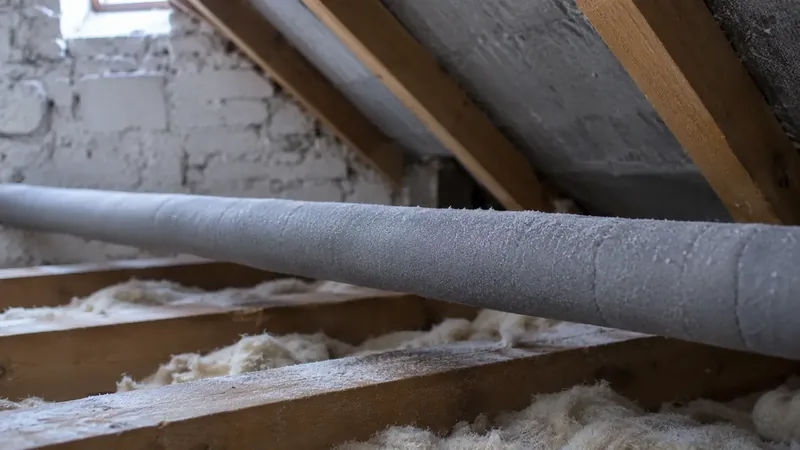
Older Irish homes often run a mix of lead, iron and copper. An inspection flags pipework nearing the end of its life so you can plan a replacement.
Recurring Blockages
Drains that block again and again are a sign of a deeper fault, like a collapsed pipe or root ingress. A CCTV survey shows the cause on screen.
Before a Renovation
Planning an extension, a new bathroom or a kitchen? A survey confirms whether the existing plumbing can carry the extra demand before the work starts.
The options
Types of Plumbing Inspection in Ireland
Not every check is the same. A whole-house survey, a drain camera and specialist leak detection each answer a different question. Here is what sets them apart before you book.
Pre-Purchase Survey
A focused check of the plumbing, drains and heating in a home you are buying, ending in a written report you can use in the sale. It flags leaks, ageing pipework and anything likely to need spending on soon.
from€150
Full System Check
A whole-house inspection of the water supply, waste, radiators and cylinder, testing pressure and flow room by room. Best when you have just moved in or want a baseline on an older system.
from€120
CCTV Drain Survey
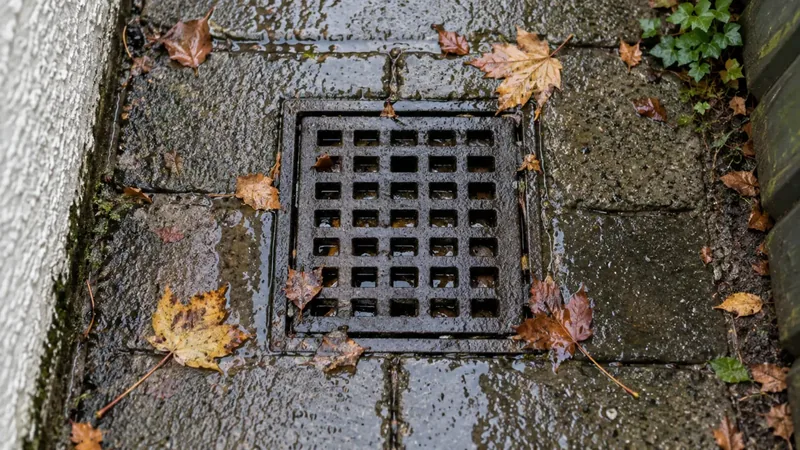
A camera on a flexible reel is fed through the drains to find blockages, cracks, root ingress and collapsed sections, with footage recorded. The standard way to diagnose recurring drain trouble.
from€150
Leak Detection
Acoustic listening, thermal imaging and moisture meters trace a hidden leak to its exact spot without tearing up floors or walls first. Used when water is escaping but the source is not obvious.
from€150
2026 prices
How Much Does a Plumbing Inspection Cost in Ireland?
A plumbing inspection in Ireland costs €120 to €300 in 2026 for a standard survey, with labour and VAT included. A CCTV drain survey runs €150 to €350, and specialist leak detection €150 to €400 depending on how much tracing the job needs.
- Ask whether a written report is included in the price
- A CCTV survey should come with recorded footage
- Leak detection is priced by the tracing work involved
Every home is different. Your plumber will price the job on the size of the property, the access and your county, so treat the figures on the right as a budgeting guide, not a quote.
- Standard plumbing survey €120–300
- Pre-purchase plumbing check €150–300
- CCTV drain survey €150–350
- Leak detection, non-invasive €150–400
- Call-out and basic assessment €80–120
- Written report, where separate €50–100
Indicative ranges only. Always confirm with a written quote.
What Affects the Price of an Inspection
Property Size
A larger home has more pipework, more bathrooms and more drains to check, so a full survey on a big house costs more than on a small terrace.
Type of Survey
A visual check is cheaper than a CCTV drain survey or acoustic leak detection, which need specialist equipment and more time on site.
Access and Layout
Buried drains, boxed-in pipes or a tight under-floor void slow the work down and can add to the cost of tracing a fault.
Your County
Dublin and the commuter belt typically carry a 10 to 15 per cent premium over rural counties, down to demand and travel time.
Hidden leaks
Finding Hidden Leaks Without the Damage
The old way of chasing a leak meant lifting floors and opening walls until the water showed itself, expensive, messy and slow. Modern leak detection works the other way around, finding the leak first so only the right spot is opened up.
Acoustic listening picks up the sound of water escaping under pressure, thermal imaging shows the temperature change a leak leaves behind, and moisture meters confirm where damp is spreading. Together they trace a leak to within a small area before a single tile is lifted.
- Traces the source before any floor is lifted
- Acoustic, thermal and moisture methods combined
- Less disruption and a smaller repair bill
On the day
How a Plumbing Inspection Works
Most inspections take one to three hours depending on the property and the type of survey. Here is how an experienced plumber works through it, from the first walk-round to handing you the report.
Walk-Round and Brief
The plumber walks the property with you, notes your concerns and locates the stopcock, meter, cylinder and any obvious problem areas before testing begins.
Test the Water Supply
Taps and showers are run to check pressure and flow, and the incoming supply and stopcock are tested to confirm the mains and internal pipework are sound.
Check Waste and Drains
Sinks, baths and toilets are checked for slow draining or leaks, and where a drain camera is used it is fed through to inspect the pipes below ground.
Inspect Heating and Cylinder
Radiators, the boiler or cylinder and visible heating pipework are checked for leaks, corrosion and pressure faults, so the whole wet system is covered.
Trace Any Hidden Leaks
Where a leak is suspected, moisture meters, thermal imaging or acoustic listening pinpoint the source without needing to lift floors or open walls first.
Written Report and Advice
You get a written report setting out what was found, what needs attention now and what to watch, with any recorded drain footage where a CCTV survey was done.
The report
What a Good Inspection Report Should Include
The report is what you are really paying for. A useful one does more than list problems, it tells you what needs attention now, what can wait and roughly what each item is likely to involve, so you can plan and budget with confidence.
Look for a report that describes the condition of the supply, waste, drains and heating, notes any leaks or ageing pipework, includes photographs or recorded drain footage where relevant, and separates urgent work from routine maintenance. That is the difference between a document you can use and a box-ticking exercise.
- Condition of supply, waste, drains and heating
- Photos or recorded footage of what was found
- Urgent work kept separate from routine items
Hiring
How to Choose a Plumber for an Inspection
An inspection is only as useful as the plumber doing it and the report you are left with. Beyond a fair price, these are the things worth checking before you book.
Confirm a Written Report
Ask upfront whether a written report is included and what it covers. A verbal summary at the door is worth far less than a document you can act on or use in a sale.
Ask About Their Equipment
For drain or leak work, check they carry the right kit, a drain camera and moisture or acoustic detection. The right tools mean less guesswork and less digging.
Get a Clear Quote
A good quote states the type of survey, the time allowed and whether the report and any footage are included, so there are no add-ons after the job.
Check Experience and Reviews
Look for a plumber who does surveys regularly and has reviews to back it up. Diagnosing hidden faults is a skill that comes with experience.
Local coverage
Plumbing Inspection by County in Ireland
The housing stock, the age of the pipework and how far a plumber has to travel all shape what an inspection costs and finds. Choose your county for local 2026 prices and plumbers who carry out surveys.
Leinster
12 countiesFrom Georgian and Victorian homes in central Dublin to fast-growing estates across the Meath, Kildare and Wicklow commuter belt, Leinster spans the oldest and the newest housing stock, so pre-purchase surveys and leak detection are both in steady demand.
Munster
6 countiesCork, Limerick and Waterford cities mix period terraces with newer suburbs, while rural Kerry and west Cork run older homes on private supplies and septic systems, where drain surveys and full system checks are common.
Connacht
5 countiesGalway, Mayo and the surrounding counties see older rural homes, exposed Atlantic weather and many properties on wells and septic tanks, so inspections often focus on drains, pipework condition and hidden leaks.
Common questions
Plumbing Inspection Questions From Irish Homeowners
How much does a plumbing inspection cost in Ireland in 2026?
A standard plumbing inspection costs €120 to €300 in Ireland in 2026, with labour and VAT included. A CCTV drain survey runs €150 to €350, and specialist leak detection €150 to €400 depending on how much tracing the job needs.
What does a plumbing inspection include?
A plumbing inspection checks the water supply, waste and drains, radiators, the boiler or cylinder and visible pipework, testing pressure and flow and looking for leaks and corrosion. Most end in a written report setting out what needs attention now and what can wait.
Should I get a plumbing survey before buying a house in Ireland?
Yes. A standard house survey rarely checks the plumbing in depth, so a pre-purchase plumbing check reveals the condition of the pipework, drains and heating before you commit. It costs €150 to €300 and can save far more by flagging costly faults or giving you room to negotiate.
How long does a plumbing inspection take?
Most plumbing inspections take one to three hours depending on the size of the property and the type of survey. A CCTV drain survey or detailed leak trace on a larger home sits at the longer end.
How much does a CCTV drain survey cost in Ireland?
A CCTV drain survey costs €150 to €350 in Ireland in 2026. A camera on a flexible reel is fed through the drains to find blockages, cracks, root ingress and collapsed sections, and the footage is recorded so you can see the fault for yourself.
How do plumbers find a hidden leak without damage?
Plumbers trace hidden leaks using acoustic listening to pick up escaping water, thermal imaging to show temperature changes and moisture meters to confirm where damp is spreading. This narrows the leak to a small area so only the right spot is opened up. Leak detection costs €150 to €400.
Do I get a written report after a plumbing inspection?
A good plumbing inspection ends in a written report describing the condition of the supply, waste, drains and heating, with any leaks or ageing pipework noted and urgent work separated from routine items. Confirm the report is included before you book, as some plumbers charge €50 to €100 for it separately.
How often should a home plumbing system be inspected?
For a home with no obvious problems, a full plumbing check every few years is enough to catch ageing pipework and slow leaks early. Book one sooner if you have unexplained damp, rising water bills, recurring blockages or are buying, selling or renovating.
Find a Plumber for an Inspection
Plumbing inspection and survey quotes from experienced plumbers in every county. Contact them directly, no fees, no sign-up.
Browse plumbers by county