The State of Your Home
A poorly insulated home needs fabric work before the heating upgrade, which the grant supports but which adds to the overall project.

SEAI-registered contractors · Ireland
What the 2026 SEAI grants cover, how much you can claim, and how to find an SEAI-registered contractor in your county. Grants for a heat pump, solar water heating and heating controls, with the registered plumber the scheme requires.

The short version
SEAI grants help Irish homeowners cut the cost of a heating upgrade, with separate grants for a heat pump, solar water heating and heating controls. Grant amounts change, so check the current figures on seai.ie. SEAI requires the work to be carried out by an SEAI-registered contractor. Choose your county below for registered plumbers, or read on for the grants, the process and what you actually pay.
The grants are run by the Sustainable Energy Authority of Ireland, and they reward doing the work in the right order: insulate first so the home holds its heat, then upgrade the heating. SEAI requires grant works to be carried out by a registered contractor, so check that the plumber you choose is on the SEAI register for the upgrade you want.
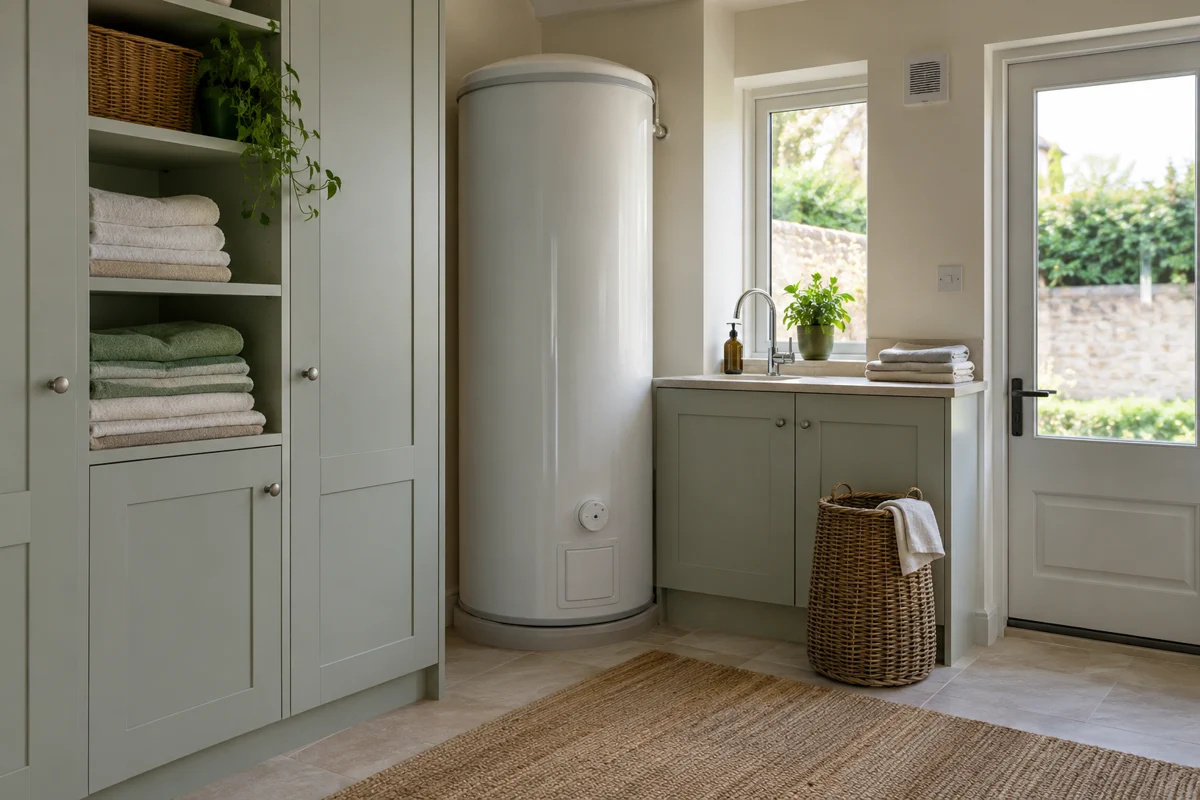
Do it in order
The single biggest mistake homeowners make is fitting a heat pump into a leaky home. A heat pump runs low and steady, so if the house loses heat through the attic, walls and old windows, the system works harder, costs more to run and never feels warm enough. SEAI grants are built around getting the order right.
That is why insulation grants sit alongside the heating grants, and why the heat pump grant expects a home that can hold its heat. A registered contractor, or a one-stop-shop that manages the whole job, will assess the fabric of your home first, recommend the insulation that pays back fastest, and only then size the heat pump to the improved home. Done in that order, the running costs make sense.
What qualifies
SEAI grants cover a range of home energy upgrades, from the heating system itself to the fabric of the home around it. These are the upgrades a plumber or one-stop-shop deals with most often.
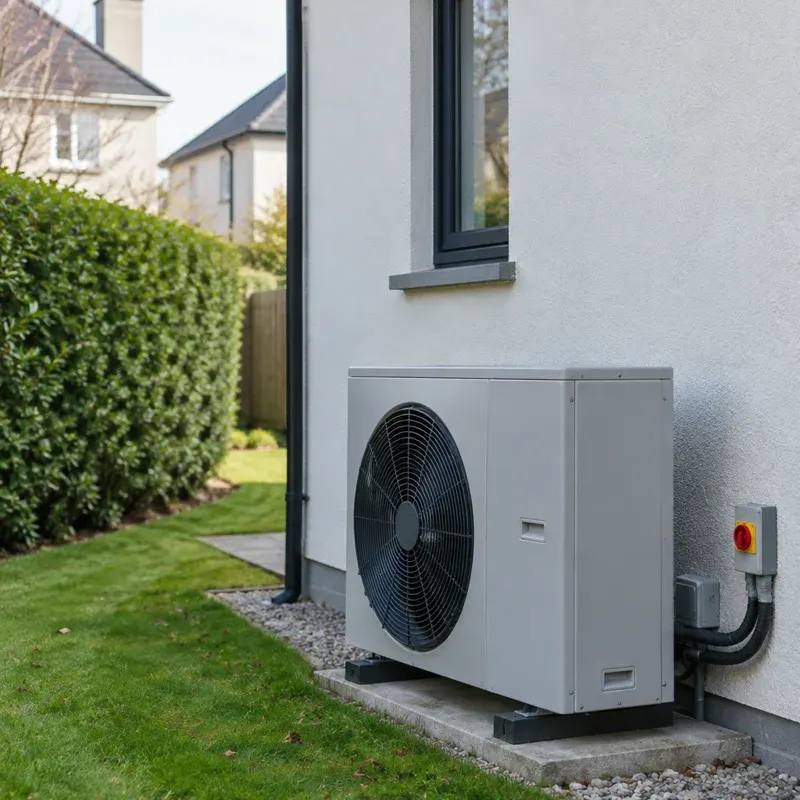
A heat pump replaces an oil or gas boiler and runs on electricity, best suited to a well-insulated home.
Roof-mounted solar thermal panels that heat your hot water. They pair well with a cylinder and cut the load on your main heating system.
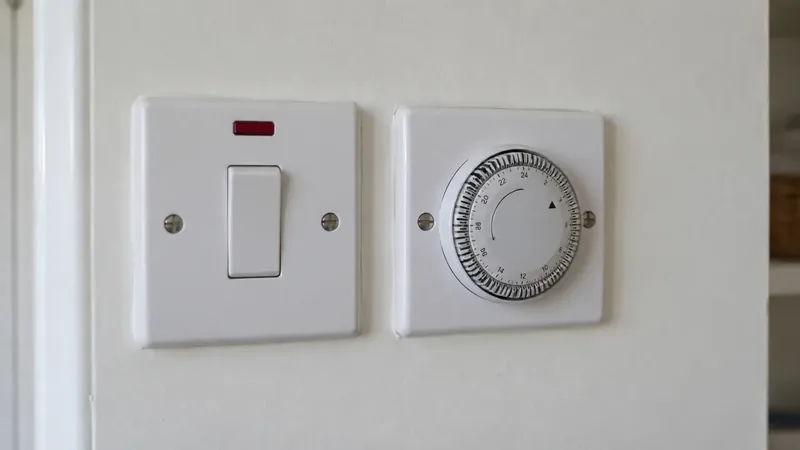
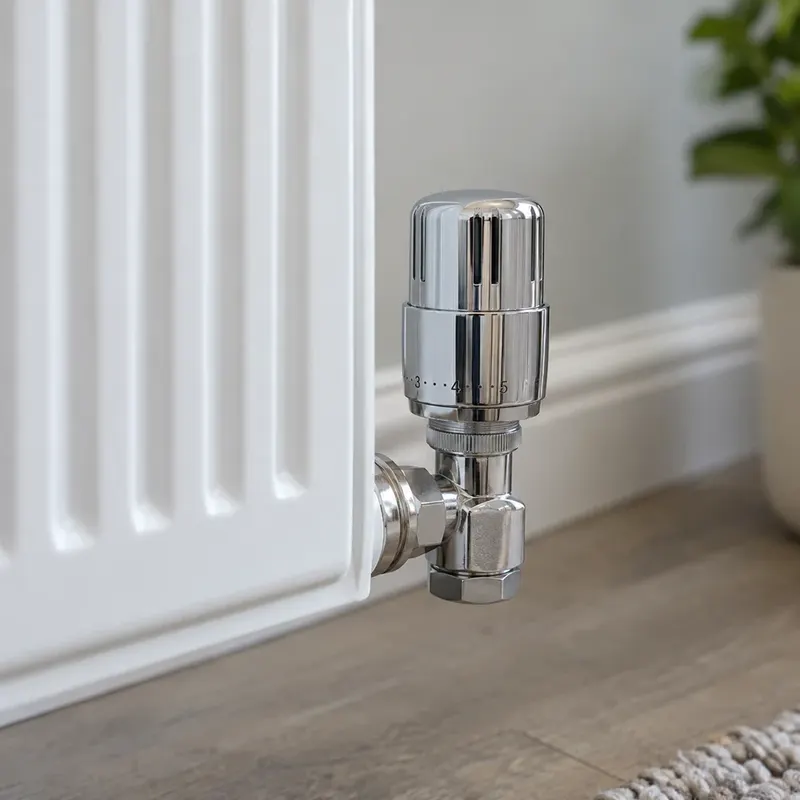
Upgraded timers, thermostats and zoning that let you heat rooms only when needed. Often claimed alongside a larger upgrade.
Attic, wall and floor insulation grants come before the heating upgrade, so the home holds the heat a new system produces.
A better Building Energy Rating is the goal that ties the upgrades together and, for a whole-home job, unlocks the higher grant tiers.
For a deeper retrofit, an SEAI-registered one-stop-shop manages the survey, the works, the grant paperwork and the contractors as one job.
The grants
Each grant covers a different upgrade and carries a different amount. Here is what each one is for before you choose a contractor and apply.
Towards an air-source or ground-source heat pump. A technical assessment confirms your home is ready for one, and the work is carried out by an SEAI-registered installer.
fromCheck seai.ie
Towards solar thermal panels that heat your domestic hot water. A good fit for homes with a hot water cylinder, and it reduces how hard your main heating has to work through the year.
fromCheck seai.ie
Towards upgraded heating controls: programmable timers, room thermostats and zoning. It gives you finer control over when and where you heat, and is often claimed with a larger upgrade.
fromCheck seai.ie
For a whole-home retrofit, an SEAI-registered one-stop-shop bundles insulation, heating and controls into one managed project, handling the grant paperwork and the contractors on your behalf.
fromVaries
What you pay
The grant is a contribution, not the full cost. What you pay is the fitted price of the upgrade minus the SEAI grant, and the net figure depends on your home, your contractor and the work involved. Treat the ranges here as an indicative budgeting guide, never a quote.
Every home is different. A registered contractor will price the upgrade on your home, its condition and your county, so use the figures on the right for budgeting only and get the real number in writing.
Net costs vary by home and contractor. Always confirm with a written quote before you apply.
A poorly insulated home needs fabric work before the heating upgrade, which the grant supports but which adds to the overall project.
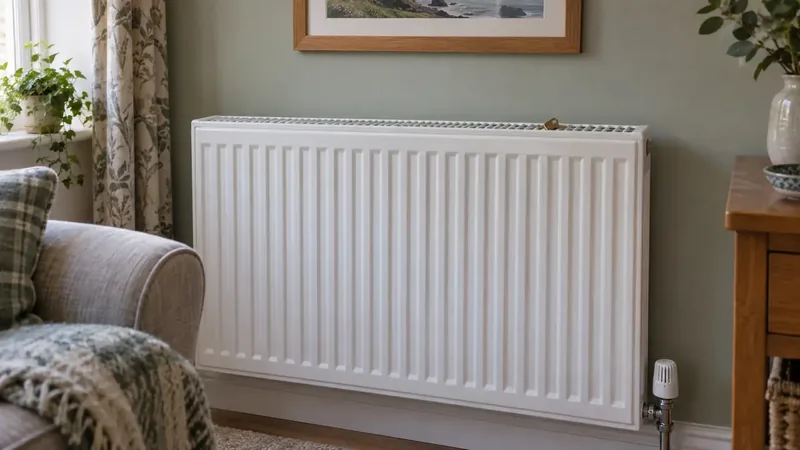
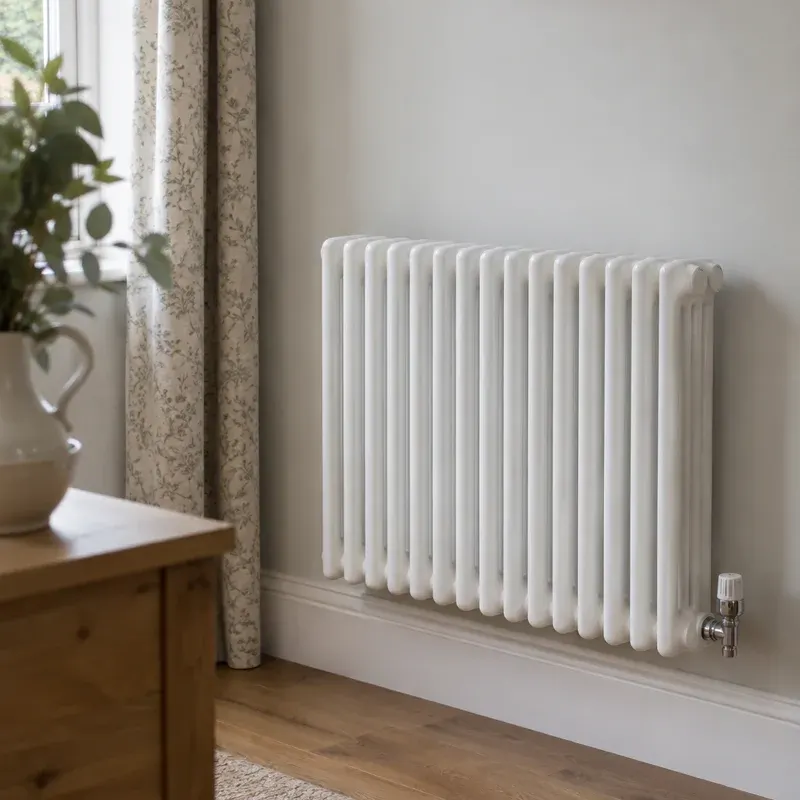
Radiators and pipework sometimes need upgrading so a heat pump can run efficiently at a lower temperature, which affects the fitted price.
Registered contractors set their own prices, so three written quotes from registered installers is the only reliable way to compare.
Labour rates and travel time vary across the country, so the same upgrade can cost more in Dublin than in a rural county.
Confirm the contractor is on the SEAI register for the upgrade you want. SEAI grants require a registered contractor, so this comes first.
Each quote should show the full fitted price, the upgrade specified in detail, and the grant deducted clearly so you can see your real net cost.

How it works
You apply to the SEAI before the work starts, choose a contractor from the SEAI register, get the work done, then submit for payment once it is complete. SEAI requires grant works to be carried out by a contractor on its register, so verify registration before you book. The official steps are on seai.ie. A one-stop-shop can handle the application and paperwork for you on a larger job.
See SEAI-registered plumbersThe process
The order matters. SEAI asks you to apply before the work starts, use a registered contractor and keep the paperwork. Here is how a grant typically runs from start to payment; the official steps are on seai.ie.

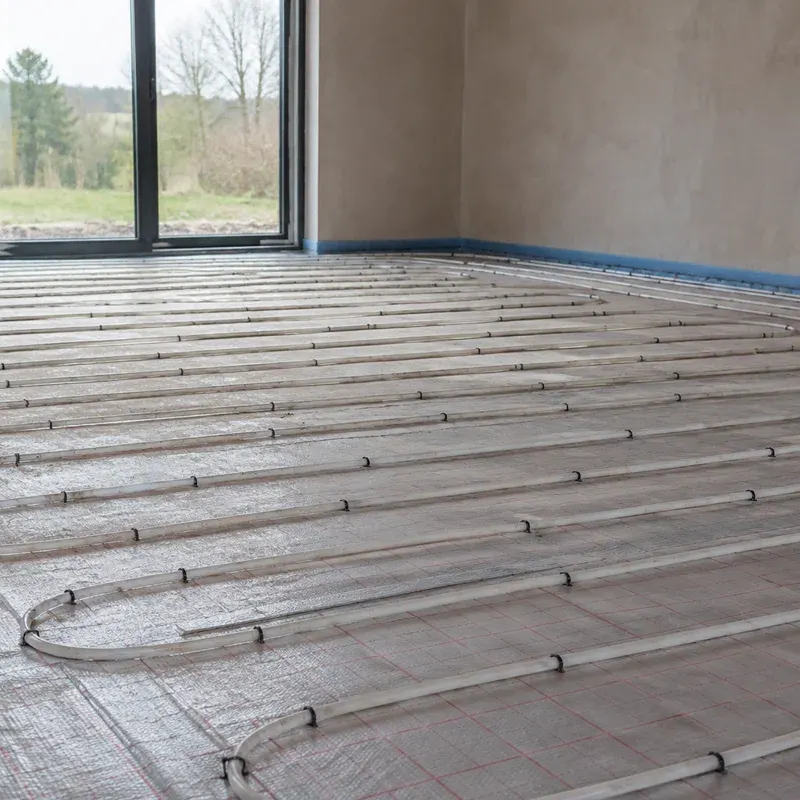
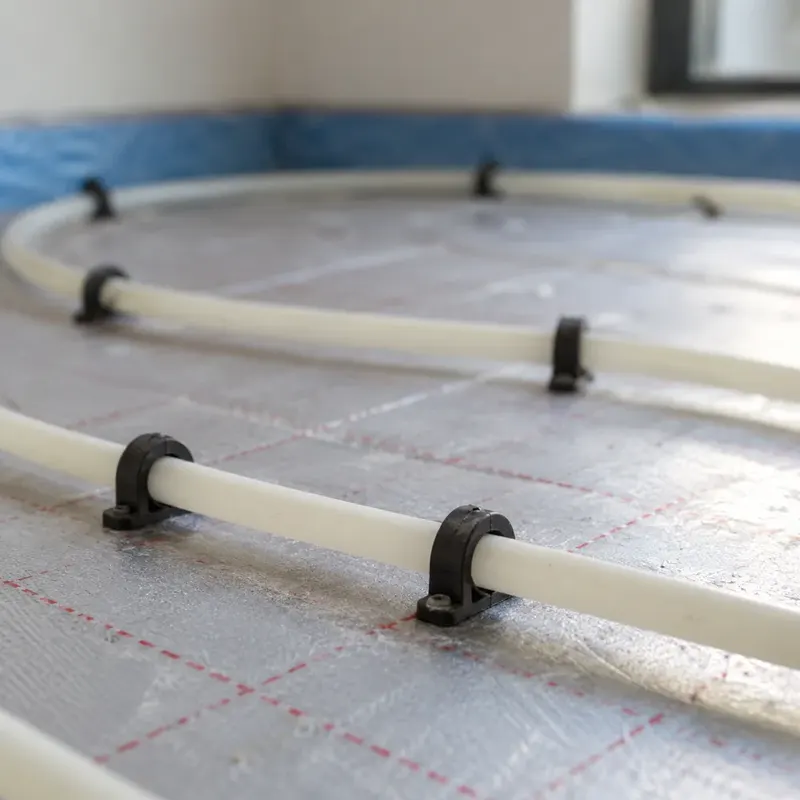
Confirm your home and the upgrade qualify, and arrange a BER assessment where the grant requires one. This shows where the home is losing heat.
Pick an installer from the SEAI register. SEAI requires a registered contractor, so verify registration before you commit.
SEAI asks you to submit your grant application before any work starts. Starting the job before the grant is approved can mean the grant is refused, so check the application steps on seai.ie.
The registered contractor carries out the upgrade to the SEAI standard, whether that is a heat pump, solar water heating or heating controls.
Once the work is complete, submit the paperwork the SEAI needs, including the contractor documentation and any post-works BER where required.
The SEAI pays the grant to you after the works are verified. Keep all documentation, as you will want it if you ever sell the home.
Hiring
SEAI grants require a registered contractor. Beyond that, a good contractor is specific in the quote and easy to check.
Confirm the contractor is on the SEAI register for the upgrade you want. SEAI grants require a registered contractor, so this comes first.
Each quote should show the full fitted price, the upgrade specified in detail, and the grant deducted clearly so you can see your real net cost.
For a heat pump, a good contractor assesses insulation, radiators and pipework first, rather than dropping a unit into a home that cannot hold its heat.
Hold on to the grant approval, the contractor paperwork and any BER certificate. You need them for payment and when you come to sell the home.
Local coverage
The grants are national, but the contractors are local. Which upgrades make sense, and how fast a registered installer can reach you, depends on where you live. Choose your county for SEAI-registered plumbers.
Much of Leinster is on the gas grid, so heating controls and solar water heating are common alongside heat pumps in the Dublin, Meath, Kildare and Wicklow commuter belt, where retrofits of 1990s and 2000s homes are steady work.
Cork and Limerick cities sit on gas, but much of rural Munster, Kerry and west Cork included, is off-grid on oil. Oil-to-heat-pump upgrades and the insulation that must come first make up a large share of the grant work here.
Natural gas barely reaches the west, so Galway, Mayo and the surrounding counties rely on oil and solid fuel. Older, exposed rural homes mean insulation-first retrofits before a heat pump is a sensible upgrade.
Common questions
SEAI runs grants for air-source and ground-source heat pumps, solar water heating and heating controls, along with separate grants for insulation. Amounts change, so check the current figures on seai.ie. A whole-home retrofit can be managed through an SEAI-registered one-stop-shop.
The amount is set by SEAI and changes over time, so check the current figure on seai.ie. A technical assessment confirms your home is suitable, and the work must be carried out by an SEAI-registered installer for the grant to be paid.
Yes. SEAI requires grant works to be carried out by a contractor on its register. Check that your plumber or installer is SEAI-registered for the upgrade you want before you commit, as the grant may not be paid otherwise. The current rules are on seai.ie.
No. SEAI grants are for renewable and efficiency upgrades such as heat pumps, solar water heating, heating controls and insulation. A standard gas or oil boiler replacement does not qualify for an SEAI grant, though heating controls fitted at the same time may.
Yes. A heat pump runs low and steady, so it works best in a home that holds its heat. SEAI grants are built around doing insulation first, then sizing the heat pump to the improved home. Fitting a heat pump into a poorly insulated home leads to high running costs.
Check that your home and upgrade qualify, arrange a BER assessment where required, choose an SEAI-registered contractor, and apply to the SEAI before any work starts. Once the work is done you submit for payment, and the grant is paid to you after the works are verified.
After. You apply and get approval before the work begins, but the grant is paid to you once the upgrade is complete and the SEAI has verified it. Never start the works before your application is approved, as that can mean the grant is refused.
An SEAI-registered one-stop-shop manages a whole-home retrofit as a single project, bundling insulation, heating and controls, arranging the contractors, and handling the grant application and paperwork on your behalf. It suits deeper upgrades rather than a single measure.
Keep reading
SEAI-registered contractors for heat pump, solar and heating upgrades in every county. Contact them directly, no fees, no sign-up.