
Emergency guide
What to Do When Your Pipes Freeze
Frozen pipes can burst and cause serious water damage as they thaw. Here is how to thaw a pipe safely, how to spot a burst, and how to find a local plumber anywhere in Ireland.
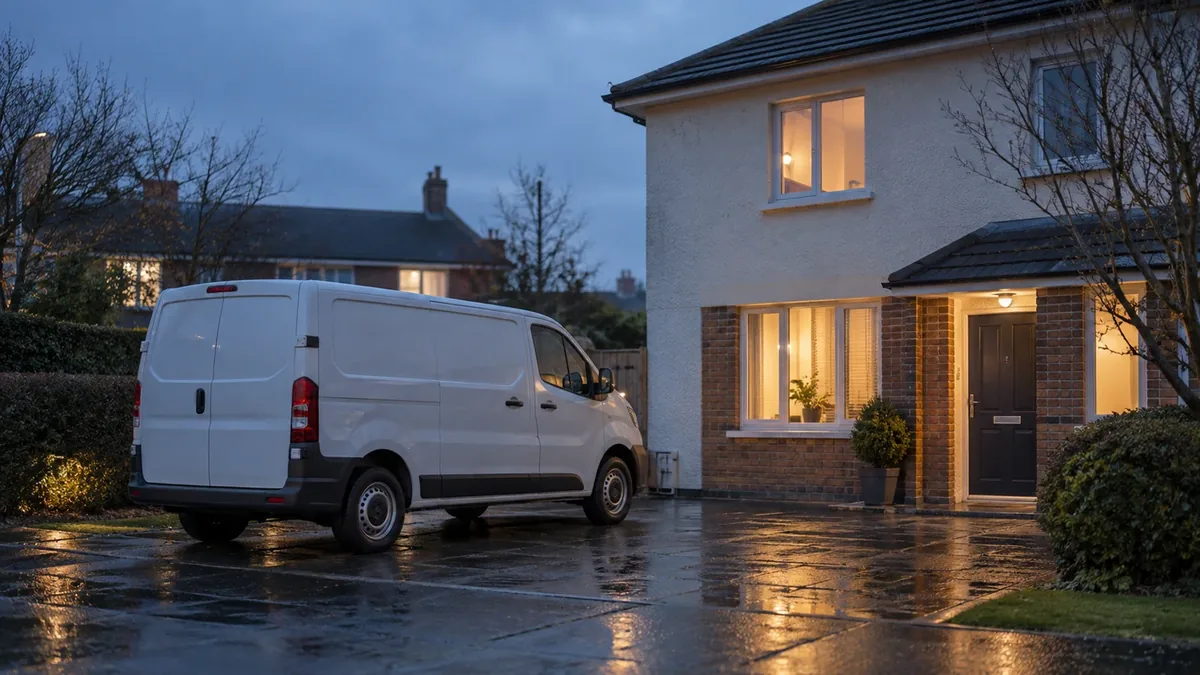
Frozen pipes
When temperatures drop below zero, water inside pipes can freeze and expand, putting enormous pressure on joints and pipe walls. Acting quickly limits the risk of a burst.
The safest way to thaw a pipe is slowly, working from the open tap end back toward the freeze. Never use a blowtorch or naked flame: warm water, a warm cloth or a hair dryer on a low setting is all you should use. If a pipe has already split, isolate the water at the stopcock and get a local plumber out to repair and lag the run. Pipes in unheated attics, garages and along external walls freeze first, so lagging those runs and leaving the heating on a low setting through a cold snap is the best prevention.
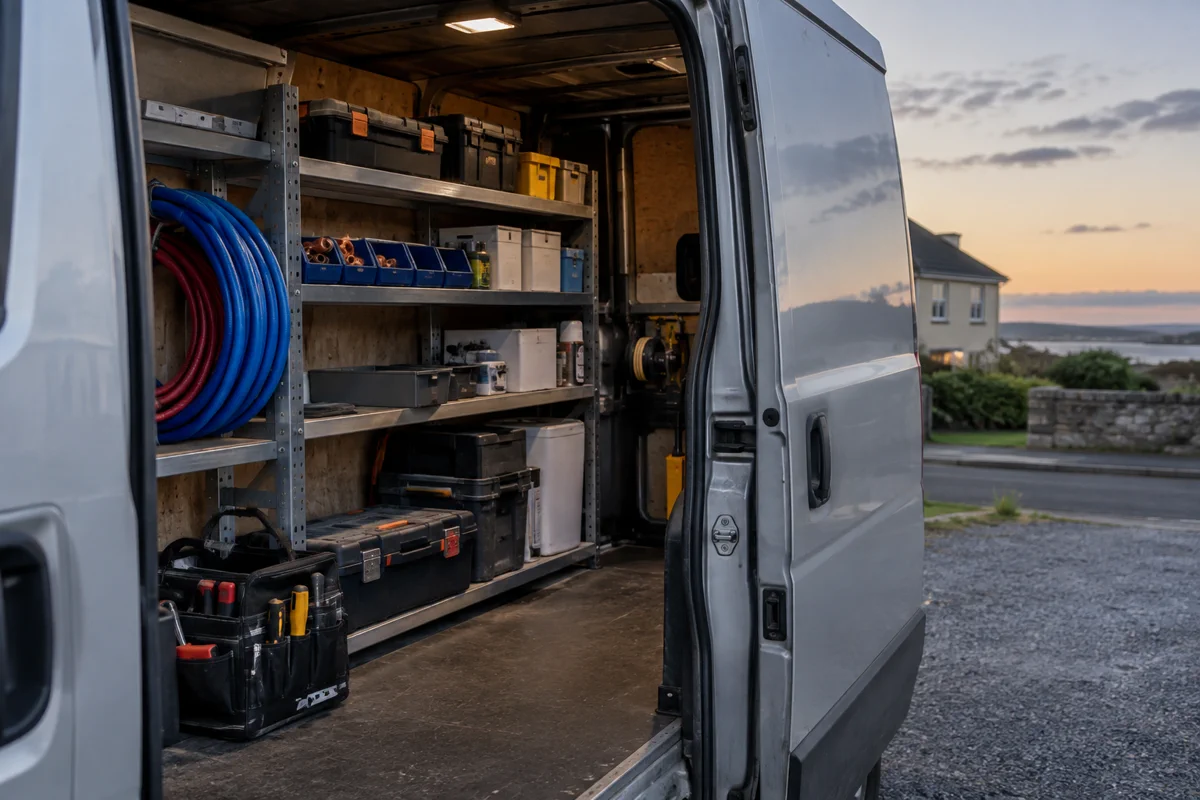
What to do now
How to Thaw a Frozen Pipe Safely
The moment you suspect a frozen pipe, turn off your main stopcock, usually under the kitchen sink or where the supply enters the property. Shutting it now limits water damage if a pipe has already cracked or burst without you noticing. Then feel along exposed pipes in unheated areas such as attics, garages, under-floor voids and external walls, where frost on the surface or a visible bulge shows where the freeze has occurred.
Thaw the pipe gently, starting at the open tap end and working backwards toward the blockage so water and steam can escape as the ice melts. Use warm, not boiling, water, a warm cloth or a hair dryer on a low setting only. Never use a blowtorch, heat gun or any naked flame.
- Turn off the stopcock and open the affected tap
- Find the freeze in attics, garages or on external walls
- Thaw from the tap end back with warm water or a hair dryer
- Never use a blowtorch, heat gun or naked flame
Most at risk
Which Pipes Freeze First
Knowing where the cold gets in helps you lag the runs most likely to freeze before the next cold snap.
Exposed and Unheated Runs
Pipes in attics, garages, under-floor voids and on external walls sit in the cold and freeze first when temperatures drop below zero.
Poorly Lagged Pipework
Bare copper with little or no lagging loses heat fast. A single unlagged run in a cold roof space is often the one that freezes and splits.
Cold, Unoccupied Homes
A house left cold over winter with the heating off lets pipes freeze right through. Keeping the heat ticking over helps prevent it.
Typical costs
What Frozen Pipe Work Costs in 2026
Costs vary with the extent of the freeze, the pipe material and how accessible the frozen section is. Emergency call-outs at night or over weekends carry an out-of-hours premium.
- Ask for the call-out charge upfront before a plumber comes out
- Night and weekend call-outs carry an out-of-hours premium
- Get at least two quotes before any repair work begins
Indicative 2026 ranges for the Republic of Ireland. Final costs depend on your location, the plumber and the extent of work required.
- Thawing service call-out €80–150
- Burst pipe repair €150–400
- Pipe lagging, per run €50–150
- Full frost protection €300–600
Indicative 2026 ranges. Always get at least two quotes before proceeding.
After it thaws
If a Frozen Pipe Has Burst
Once the pipe has thawed, turn the stopcock back on slowly and check carefully for drips, sprays or damp patches. Even a hairline crack will worsen over time, and a pipe that split while frozen often only leaks once the water flows again.
A local plumber can inspect the run, cut out and replace the damaged section, and lag the pipe properly so it does not freeze again. Get a written quote before any work begins and keep the invoice for an insurance claim.
Browse by county
Find an Emergency Plumber in Your County
Every plumber listed is contactable directly for frozen and burst pipe call-outs, county by county across Ireland.
Leinster
12 countiesDublin and the east, where older terraced pipework and hard cold snaps bring frozen and burst pipe call-outs.
Munster
6 countiesCork, Limerick and the south west, from city homes to rural houses on exposed private supplies.
Connacht
5 countiesGalway, Mayo and the west, where older housing stock and hard frosts test unlagged pipework.
Common questions
Frozen Pipes: Common Questions
How do I safely thaw a frozen pipe?
Turn off the stopcock first, then thaw the pipe gently from the open tap end backwards toward the frozen section so water and steam can escape as the ice melts. Use warm, not boiling, water, a warm cloth or a hair dryer on a low setting. Never use a blowtorch, heat gun or any naked flame.
How do I know if my pipes are frozen?
Common signs are no water from a tap despite an open stopcock, frost or ice on the outside of a pipe, a pipe that looks bulged or swollen, gurgling sounds during cold weather, or a tap that runs for a moment then stops. Cold radiators on one part of the system during a cold snap can also point to a freeze.
How much does frozen pipe work cost in Ireland?
A thawing service call-out is typically €80 to €150, a burst pipe repair €150 to €400 depending on access and pipe material, and pipe lagging around €50 to €150 per run. A full frost protection package runs €300 to €600. Night and weekend call-outs carry an out-of-hours premium, so always get at least two quotes.
What should I do if a frozen pipe has burst?
Keep the stopcock off, open the cold taps to drain the system, and use buckets and towels to keep water away from electrics. Then call a local plumber to cut out and replace the damaged section and lag the pipe against a repeat. Photograph the damage before cleaning up for any insurance claim.
Frozen Pipes? Find a Plumber Today
Once the water is isolated, get a local plumber out to thaw, repair and lag your pipes. Browse RGI-registered plumbers across Ireland and call them directly.
Find a plumber