
Central heating specialists · Ireland
Power Flushing in Ireland: Cost, Signs and How It Works
Cold spots at the bottom of radiators, a noisy boiler and slow heat all point to sludge in your system. Here is what a power flush costs in 2026, when you need one, and how to choose a plumber for the job across all 26 counties.
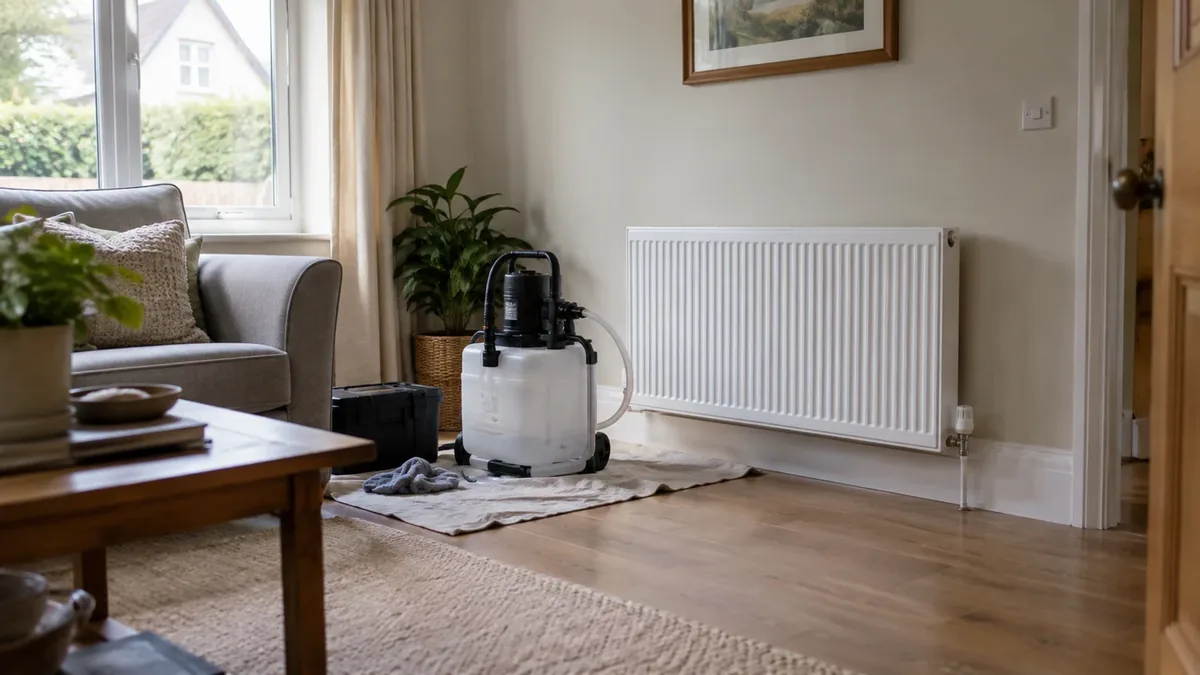
The short version
Power flushing in Ireland costs €300 to €600 in 2026, priced mainly by the number of radiators on your system. It clears the black sludge and rust that build up over years, restoring proper circulation so radiators heat evenly and your boiler works less hard. Choose your county below for local plumbers, or read on for the 2026 costs and what the job involves.
Over time, rust and debris settle inside radiators and pipework as a thick black sludge. It blocks flow, chills the bottom of radiators, forces the boiler to run hotter, and shortens the life of the pump. A power flush pushes water and cleaning chemicals through the system at high flow to break that sludge up and drain it out. On a lightly affected system a cheaper chemical flush may do, and a magnetic filter fitted afterwards keeps it clean for the long term.
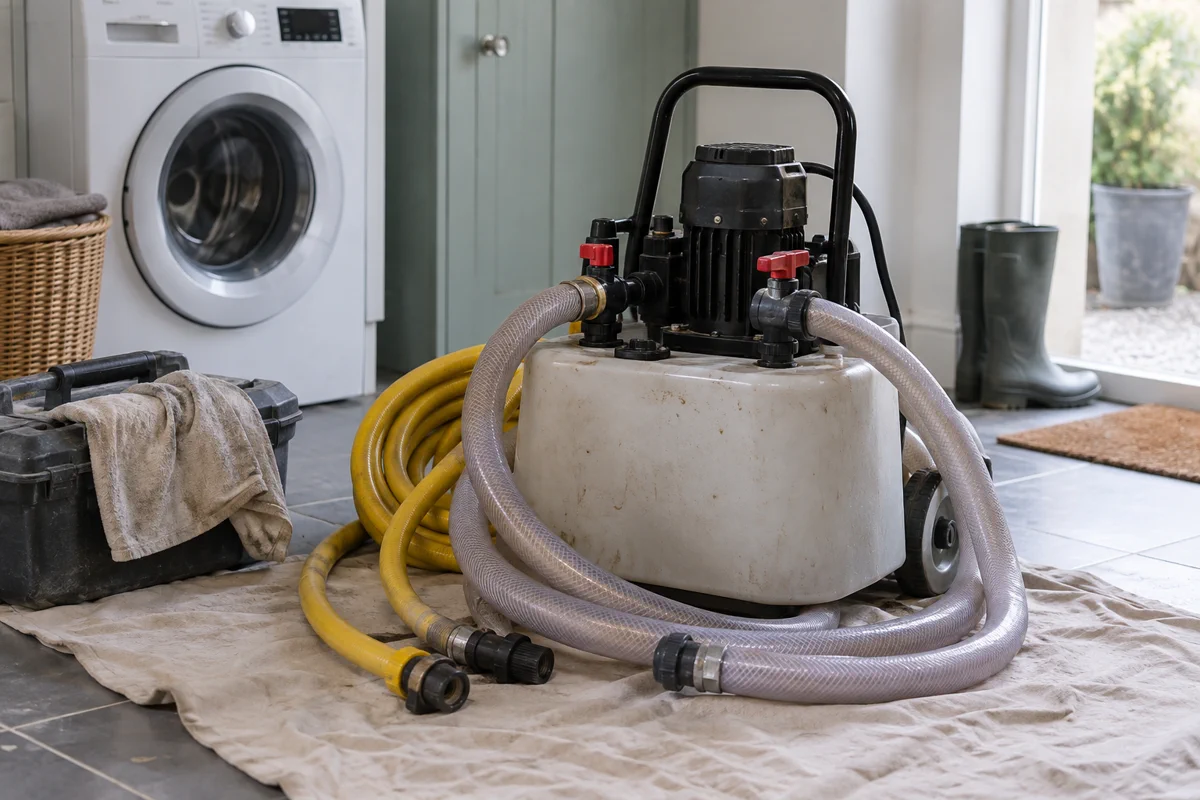
What it fixes
What a Power Flush Actually Removes
The dark sludge inside a central heating system is mostly iron oxide, the rust that forms as steel radiators and pipework corrode from the inside. It mixes with scale and debris to form a heavy paste that settles at the lowest points, which is why the bottom of a radiator goes cold first while the top still warms.
A power flush uses a high volume of water, not high pressure, to lift that sludge and carry it out of the system. Cleaning chemicals loosen the deposits first, then each radiator is flushed in turn until the water runs clear, restoring the circulation the system was designed for.
- Rust and iron oxide from corroding steel
- Scale and hard-water deposits
- Loose debris that blocks radiator flow
When you need one
Signs Your Heating Needs a Power Flush
Sludge builds up slowly, so the signs creep in over a season or two. If you recognise more than one of these, it is worth having the system checked before the sludge damages the boiler or pump.
Cold Spots at Radiator Bottoms
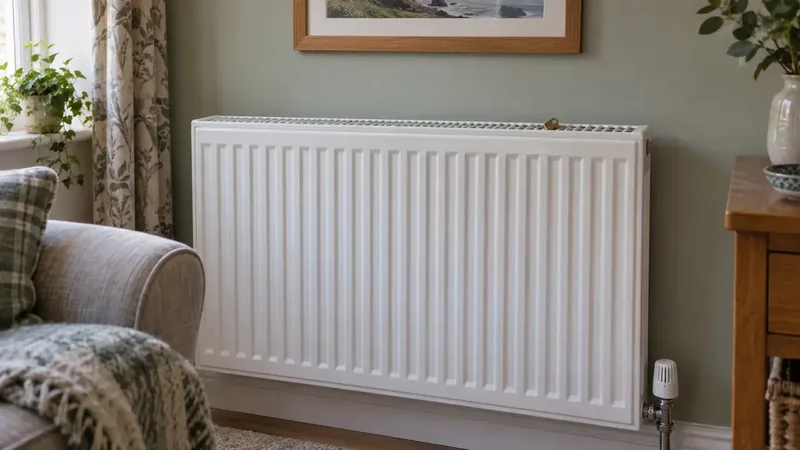
Radiators warm at the top but cold along the bottom edge are the classic sign of sludge settling and blocking flow.
Slow to Heat Up
If the heating takes far longer than it used to to warm the house, restricted circulation from debris is a common cause.
Noisy Boiler or Kettling
Banging, rumbling or a kettle-like boiling sound points to sludge and scale forcing the boiler to overheat.
Dirty Water When Bleeding
Black or brown water coming out when you bleed a radiator confirms rust and sludge are circulating through the system.
Radiators Cold Despite Heating On
One or more radiators staying cold while the heating runs usually means they are blocked with settled debris.
Boiler Cutting Out
A boiler that keeps locking out or cutting off may be struggling against poor circulation caused by a sludged system.
The options
Power Flush vs Chemical Flush vs Magnetic Filter
Not every system needs a full power flush. The right approach depends on how blocked the system is, and a magnetic filter afterwards protects the work you have paid for.
Power Flush
A high-flow machine pushes water and cleaner through every radiator and pipe to break up and drain heavy sludge and rust. The thorough option for a system with clear symptoms, and the one most plumbers recommend before fitting a new boiler.
from€300
Chemical Flush
A cleaning chemical is added and circulated by the boiler pump for a period before the system is drained and refilled. Cheaper and quicker than a power flush, and suited to a system that is only lightly affected.
from€150
Magnetic Filter
Fitted to the return pipe, a magnetic filter catches rust and debris before it can settle again. Best fitted straight after a flush so the system stays clean, and emptied at each annual service.
from€120
Inhibitor Top-Up
A corrosion inhibitor dosed into the system slows the rust that creates sludge in the first place. A small, regular measure that protects a freshly flushed system between services.
from€60
2026 prices
How Much Does Power Flushing Cost in Ireland?
Power flushing in Ireland costs €300 to €600 in 2026, priced mainly by the number of radiators on the system. A smaller home sits at the low end, while a larger system with many radiators, or one that is badly blocked, sits at the top.
- Get a written quote naming your radiator count
- A magnetic filter fitted afterwards adds €120 to €200
- A power flush before a new boiler protects the warranty
Every system is different. Your plumber will price the job on the radiator count, how blocked the system is and your county, so treat the figures on the right as a budgeting guide, not a quote.
- Power flush, up to 8 radiators €300–500
- Power flush, 8 to 12 radiators €450–600
- Add per extra radiator €25–40
- Chemical flush €150–300
- Magnetic filter, supply and fit €120–200
- Corrosion inhibitor top-up €60–100
Indicative ranges only. Always confirm with a written quote.
What Affects the Price of a Power Flush
Number of Radiators
Radiator count is the main driver. Each radiator adds flushing time, so a large home costs more than a small one on the same system.
How Blocked the System Is
A heavily sludged system takes longer to clear and may need extra chemicals, both of which push the price towards the top of the range.
Adding a Magnetic Filter
Most plumbers recommend fitting a magnetic filter afterwards. Supply and fit adds €120 to €200 and keeps the system clean between services.
Your County
Dublin and the commuter belt typically carry a small premium over rural counties, down to demand and travel time.
Before a new boiler
Why Plumbers Flush Before Fitting a Boiler
Most installers will not fit a new boiler onto a dirty system without cleaning it first, and many manufacturers require it. Sludge left in old radiators is quickly drawn into the new boiler and heat exchanger, where it causes noise, blockages and early failure.
A power flush or thorough chemical clean before installation protects the new boiler and keeps its warranty valid. It is why a flush often appears as a line on a boiler installation quote, and it is money far better spent than an early repair.
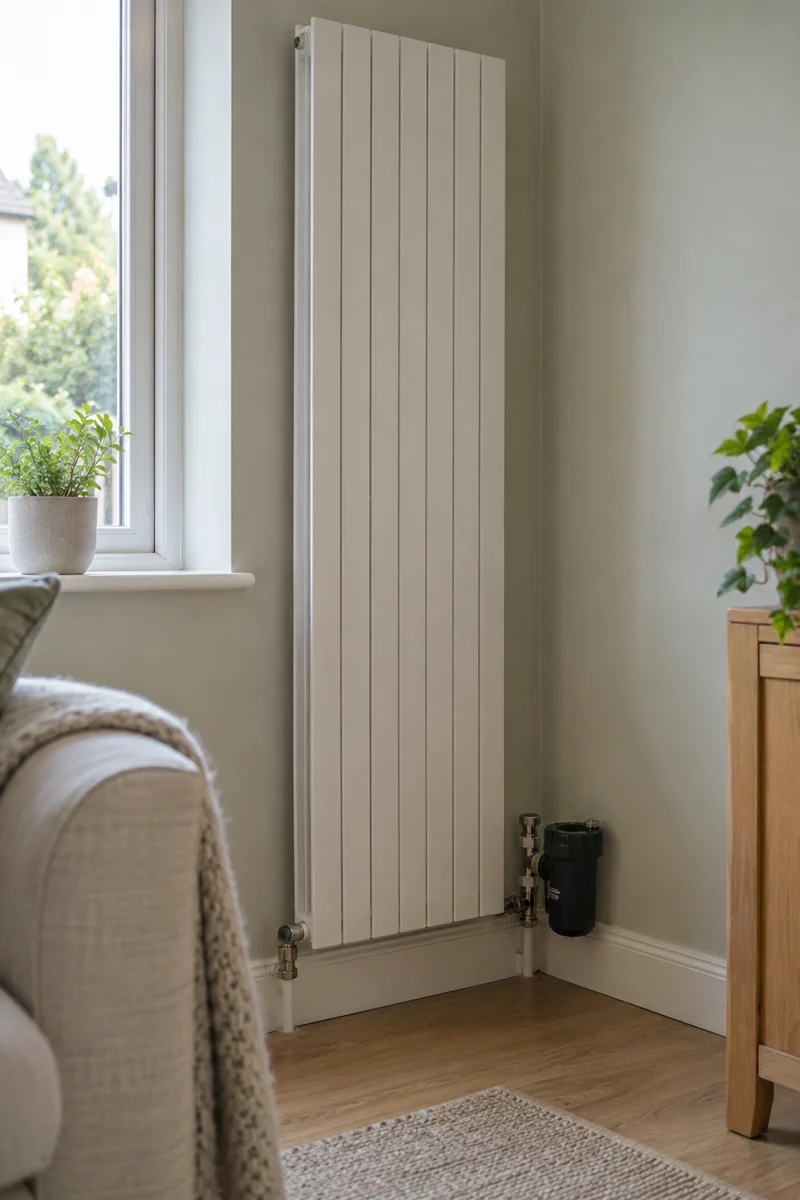
On the day
How a Power Flush Works
A power flush is usually a half-day to a full-day job, depending on the number of radiators and how blocked the system is. Here is how a plumber works through it from start to finish.
Inspect and Take Readings
The plumber checks the boiler and radiators, notes any cold spots, and takes temperature readings so the improvement can be measured at the end.
Connect the Flushing Pump
A high-flow flushing machine is connected to the system, either at the boiler or across the pump, ready to push water through at pressure.
Add the Cleaning Chemicals
A cleaner and sludge breaker are dosed into the system and circulated to loosen the rust and debris clinging inside radiators and pipework.
Flush Radiator by Radiator
Each radiator is flushed in turn, often with the machine reversing the flow and gentle tapping, so the loosened sludge is driven out rather than left behind.
Rinse and Add Inhibitor
The system is rinsed until the water runs clear, then refilled and dosed with a corrosion inhibitor to slow future sludge build-up.
Test and Confirm Even Heat
The heating is fired and rebalanced, and the plumber confirms the radiators now heat evenly top to bottom before finishing up.
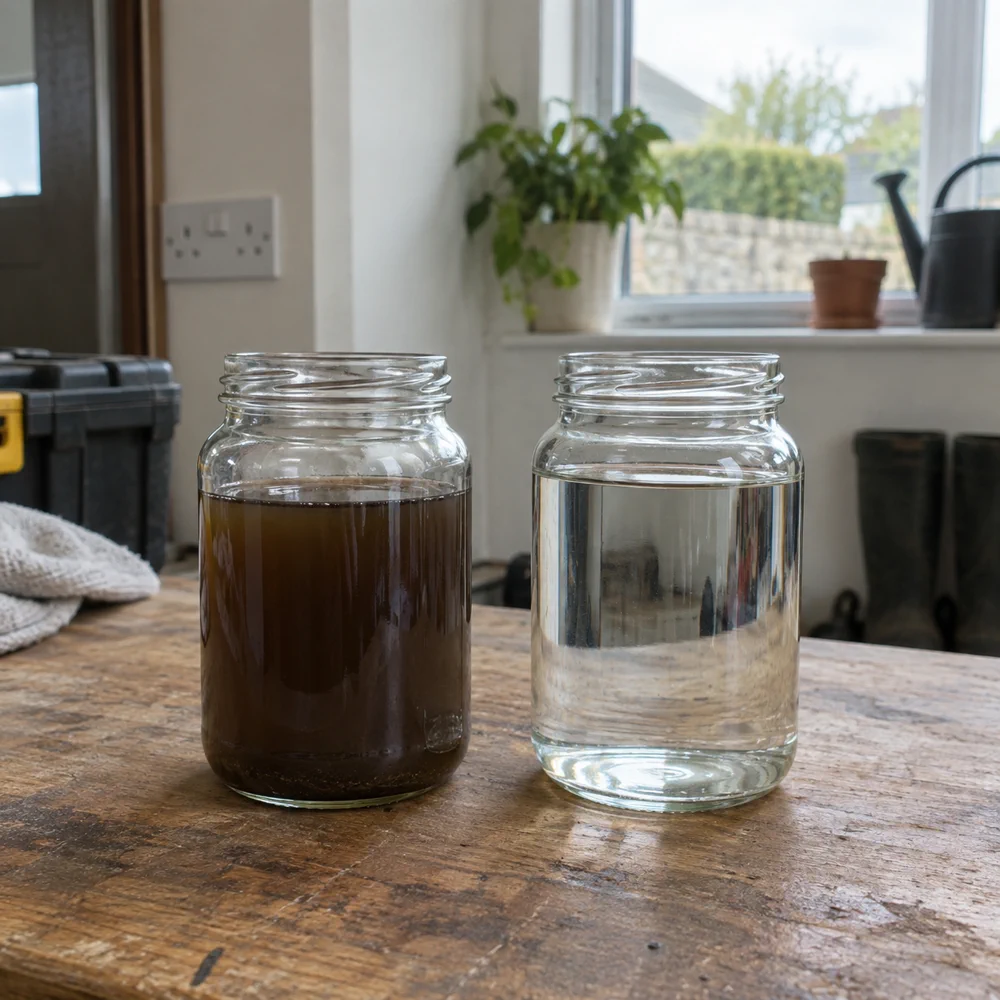
Keeping it clean
Protecting the System After a Flush
A flush clears the sludge that is already there, but corrosion starts again the moment the system refills unless it is protected. That is why a magnetic filter and a corrosion inhibitor are the natural next step after any flush.
The magnetic filter sits on the return pipe and catches rust before it can settle, and it is emptied at each annual service. The inhibitor, dosed into the water, slows the corrosion that creates sludge in the first place. Together they keep a freshly flushed system running clean for years.
- A magnetic filter traps rust on the return
- A corrosion inhibitor slows future sludge
- Both are checked at the annual service
Hiring
How to Choose a Plumber for a Power Flush
A power flush is only as good as the plumber and the equipment behind it. A rushed chemical rinse sold as a full flush leaves the sludge in place, so ask a few specific questions before you book.
Ask About the Equipment
A genuine power flush uses a dedicated high-flow machine, not just chemicals circulated by the boiler pump. Confirm which method the quote covers.
Get a Written Quote
The quote should name your radiator count and say whether a magnetic filter and inhibitor are included, so you can compare like with like.
Confirm Filter and Inhibitor
Fitting a magnetic filter and dosing an inhibitor afterwards protects the work. Ask whether both are part of the price or extra.
Check the Guarantee
A good plumber stands over the result. Ask what happens if a radiator is still cold afterwards, and get the guarantee in writing.
Local coverage
Power Flushing by County in Ireland
What you pay for a power flush, and how fast a plumber can reach you, comes down to where you live and how old the housing stock is. Choose your county for local 2026 prices and plumbers.
Leinster
12 countiesFrom older Dublin terraces with decades of sludge in cast-iron pipework to the newer estates across the Meath, Kildare and Wicklow commuter belt, Leinster sees steady demand for flushes both to fix cold radiators and to prep for a new boiler.
Munster
6 countiesCork and Limerick city homes sit alongside a large rural stock in Kerry, Clare and west Cork. Older systems on hard water and long runs of pipework mean sludge and scale are common reasons for a flush here.
Connacht
5 countiesExposed Atlantic weather and an older rural housing stock across Galway, Mayo and the surrounding counties keep heating systems working hard, so cold radiators and sludge build-up are a familiar call for local plumbers.
Common questions
Power Flushing Questions From Irish Homeowners
How much does a power flush cost in Ireland in 2026?
A power flush costs €300 to €600 in Ireland in 2026, priced mainly by the number of radiators. A smaller home with up to eight radiators sits at the lower end, while a larger or heavily sludged system reaches the top. Extra radiators typically add €25 to €40 each.
What is the difference between a power flush and a chemical flush?
A power flush uses a dedicated high-flow machine to push water and cleaner through every radiator and drain the sludge out, and costs €300 to €600. A chemical flush circulates a cleaner using the boiler pump before draining, costs €150 to €300, and suits a system that is only lightly affected.
How do I know if my heating needs a power flush?
The common signs are cold spots at the bottom of radiators, slow heating, a noisy or kettling boiler, dirty black water when you bleed a radiator, radiators staying cold while the heating runs, and a boiler that keeps cutting out. Two or more of these usually points to sludge.
How long does a power flush take?
A power flush usually takes four to eight hours, from a half day on a small system to a full day on a larger home or a badly blocked one. The number of radiators and how much sludge has built up are the main factors.
Do I need a magnetic filter after a power flush?
A magnetic filter is strongly recommended after a flush. Fitted to the return pipe, it catches rust and debris before it can settle again, and it is emptied at each annual service. Supply and fit adds €120 to €200 and protects the work you have paid for.
Do I need a power flush before a new boiler?
Most installers will clean the system before fitting a new boiler, and many manufacturers require it. Sludge left in old radiators is drawn into the new boiler and can void the warranty, so a power flush or thorough chemical clean before installation is money well spent.
Will a power flush fix a cold radiator?
If the radiator is cold because it is blocked with sludge, a power flush usually restores even heating. If the cause is a stuck valve, trapped air or a balancing issue, that is a separate fix, so a good plumber will check before recommending a flush.
Find a Plumber for Power Flushing
Power flushing quotes from local plumbers in every county. Contact them directly, no fees, no sign-up.
Browse plumbers by county