Moving the Layout
Moving the bath, WC or basin means new supply and waste pipework, and a WC needs the right fall, which adds time and cost.

Design and fit · Ireland
Full bathroom refits, ensuites and wet rooms, with county-by-county guidance on what it costs, what is included, how the fit-out runs, and how to choose a fitter for the job.
The short version
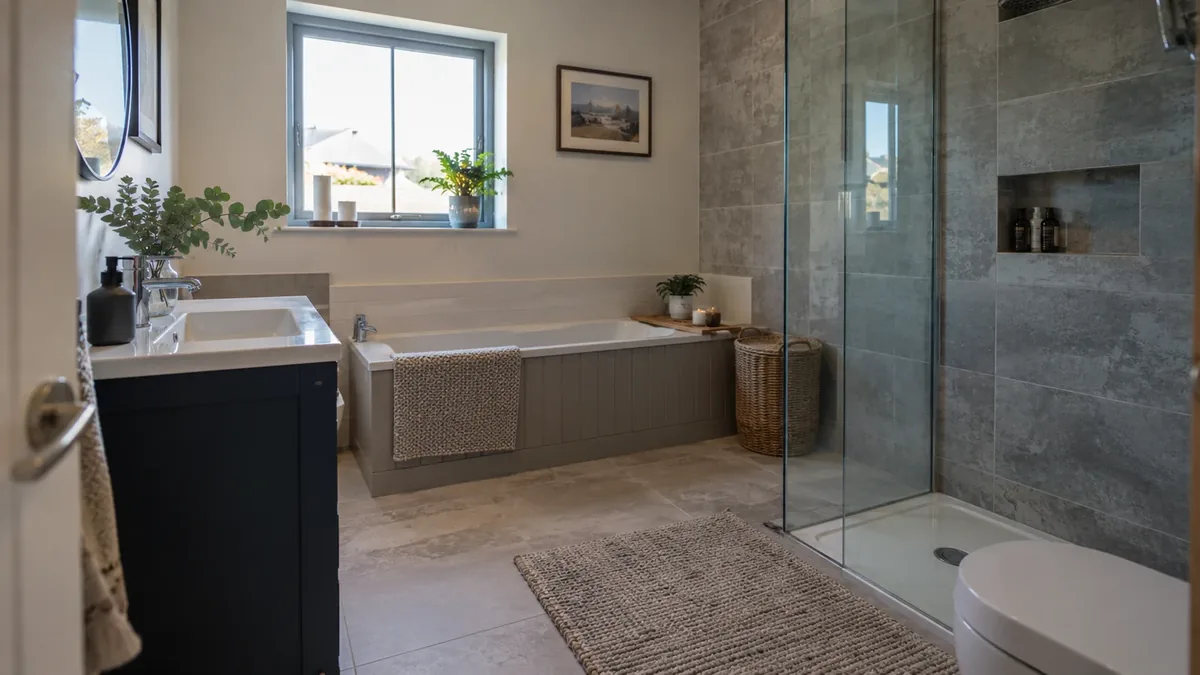
Bathroom installation in Ireland costs €3,000 to €8,000 for a full refit in 2026, with a like-for-like suite swap from about €2,500. The layout, the tiling and the spec of the sanitaryware decide most of the price. Choose your county below for local fitters, or read on for what is included, the 2026 costs, and how the fit-out runs.
A bathroom is the most trade-heavy room in the house, pulling together plumbing, tiling, waterproofing and often electrics into a small, wet space. Whether it is a straight suite swap in a Dublin semi, a new ensuite off the main bedroom, or a fully tanked wet room, the same things decide the job: how much you move the layout, the size of the tiled area, and who manages the trades.
Done right
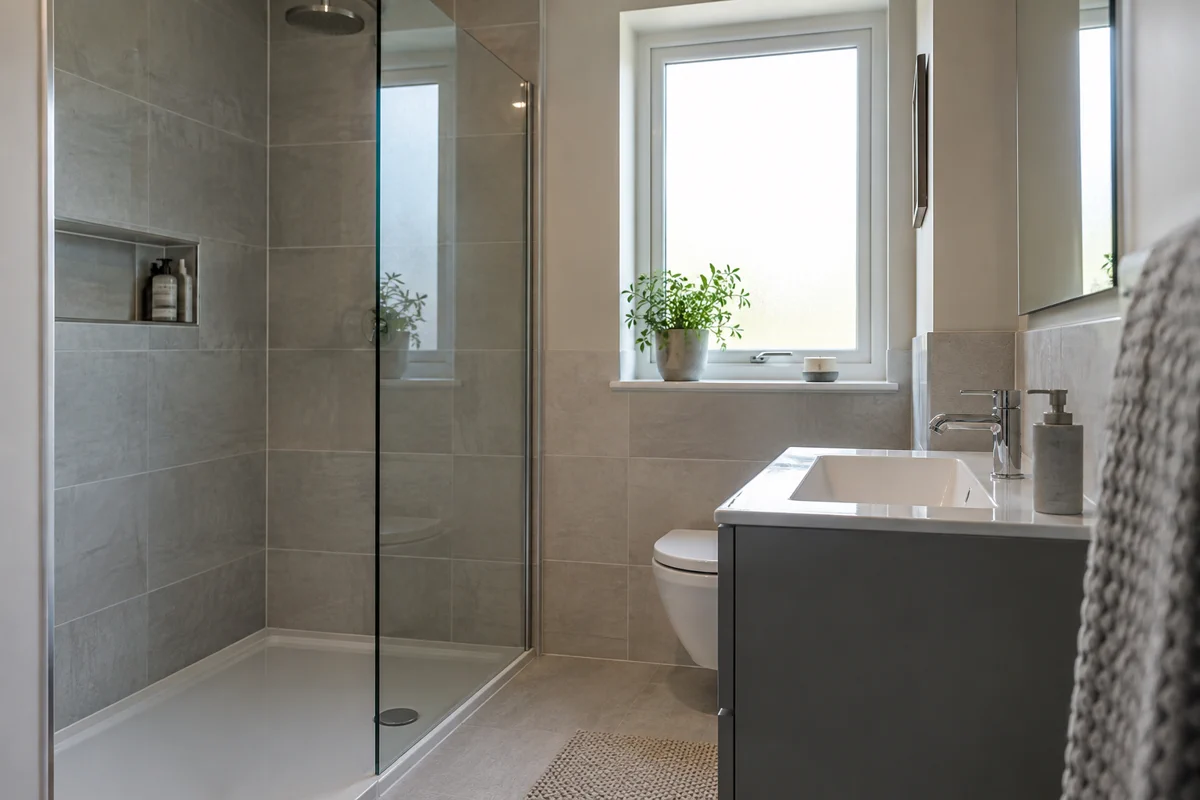
A bathroom lives or dies on what you cannot see. Tanking the wet areas behind the tiles, getting the fall right to the waste, and sealing every joint are what keep water where it belongs.
Skip that and the finish looks fine for a year, then the leaks start. A good fitter spends the time on the waterproofing before a single tile goes up.
What is included
A bathroom fit-out is really several trades in sequence. Here is what a full installation covers, from the first drawing to the final seal.
Planning the layout, choosing the sanitaryware and setting out where everything goes before a single tile is laid.
Removing the old suite and tiles, then running new hot, cold and waste pipework to suit the new layout.
Tanking the wet areas, then tiling walls and floor. This is the part that makes or breaks a bathroom.
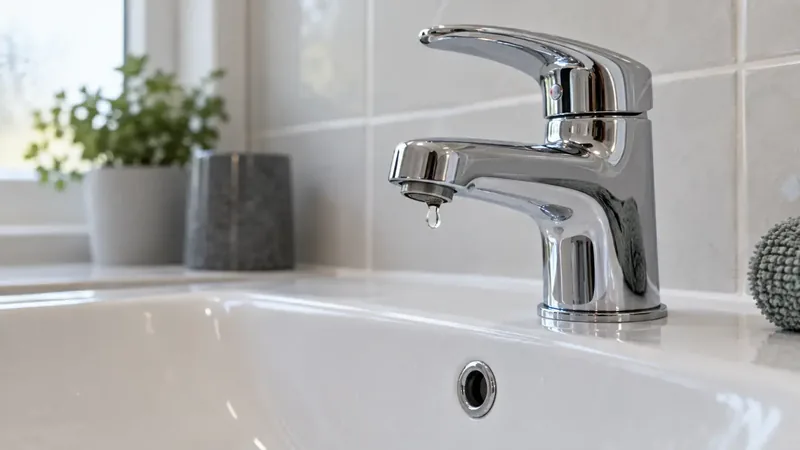
Fitting the bath, shower, basin, WC, taps and screens, then connecting everything up and testing it.
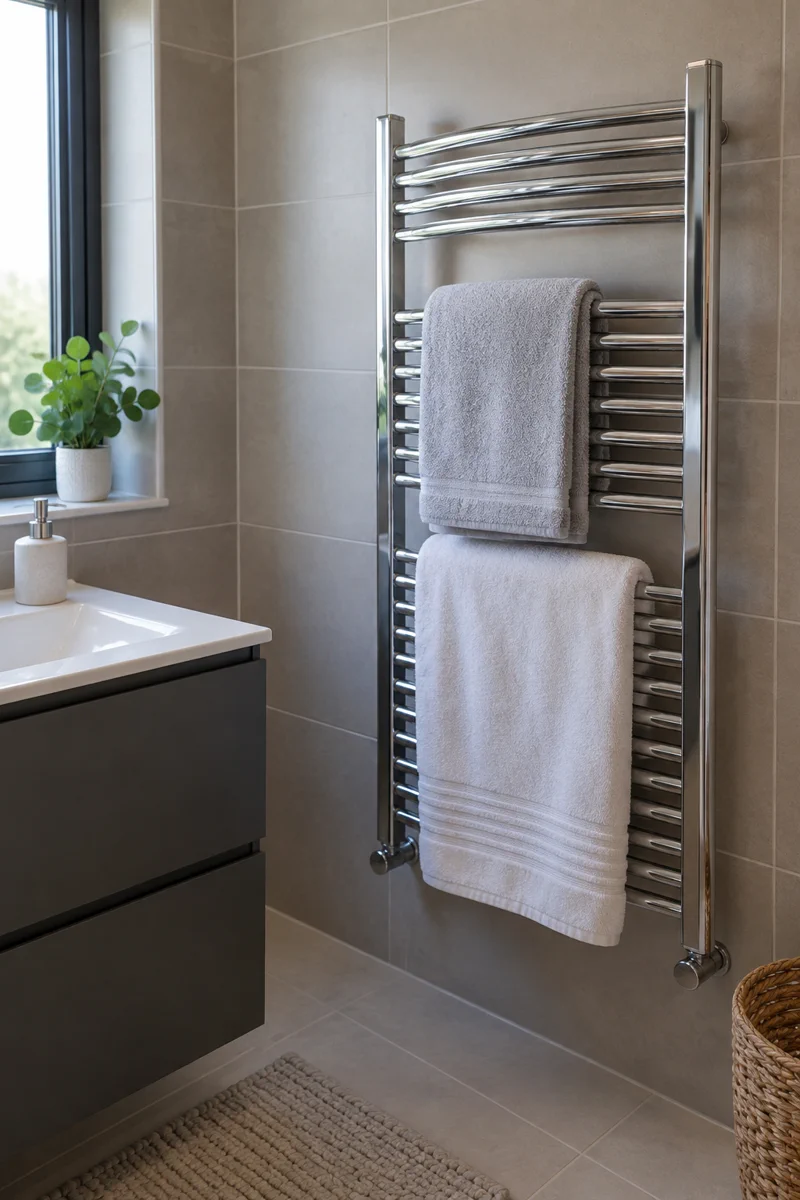
Shower pump, lighting, a heated towel rail and an extractor fan, wired by a registered electrician.
Sealing every joint, testing every outlet and a final snag so nothing leaks, drips or rattles.
The options
Family bathroom, ensuite, wet room or a downstairs WC: each suits a different space and carries a different fitted price. Here is how they compare.
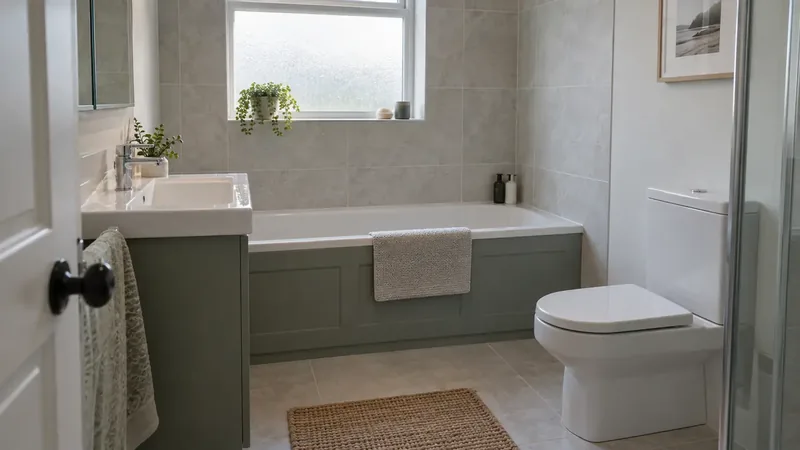
A bath with a shower over it, basin and WC. The standard main bathroom in most Irish family homes, with room for everyone to share.
from€4,000
A compact walk-in shower, basin and WC off the main bedroom. Adds value and takes the morning pressure off the family bathroom.
from€3,000
A fully tanked, level-access shower with no tray or screen to step over. Great for accessibility and a clean, open look.
from€5,000
A small cloakroom with a WC and basin, usually under the stairs. The cheapest way to add a second toilet to the house.
from€1,500
2026 prices
A full bathroom installation in Ireland costs €3,000 to €8,000 in 2026, and a like-for-like suite swap from about €2,500. Tiling, wet-room tanking and moving the pipework are what move the price most.
Every bathroom is different. The size, the spec of the sanitaryware and how much you move around all change the price, so treat the figures on the right as a budgeting guide, not a quote.
Indicative ranges only. Always confirm with a written quote.
Moving the bath, WC or basin means new supply and waste pipework, and a WC needs the right fall, which adds time and cost.
The size of the tiled area and the tile you choose drive a big part of the bill, and a wet room needs the whole floor tanked.
A budget suite and a high-end suite can differ by thousands before any labour, so the spec you pick sets the baseline.
Rot, old lead pipework or an uneven floor found on strip-out can add remedial work that was not in the original quote.
A good quote breaks out strip-out, first fix, tiling, sanitaryware and labour, so you can see where the money goes.
Ask for photos of finished jobs and a reference or two from local homeowners the fitter has worked for.
Planning
The best bathrooms are planned before anything is ripped out. Where the WC, basin and shower sit decides the pipework, the cost and how the room feels to use every day.
Moving fittings adds pipework and cost, so it pays to settle the layout and the sanitaryware spec before you get quotes.
The process
A bathroom refit runs as a sequence of trades over about a week. Here is how a fitter works through it, from the first drawing to the final seal.
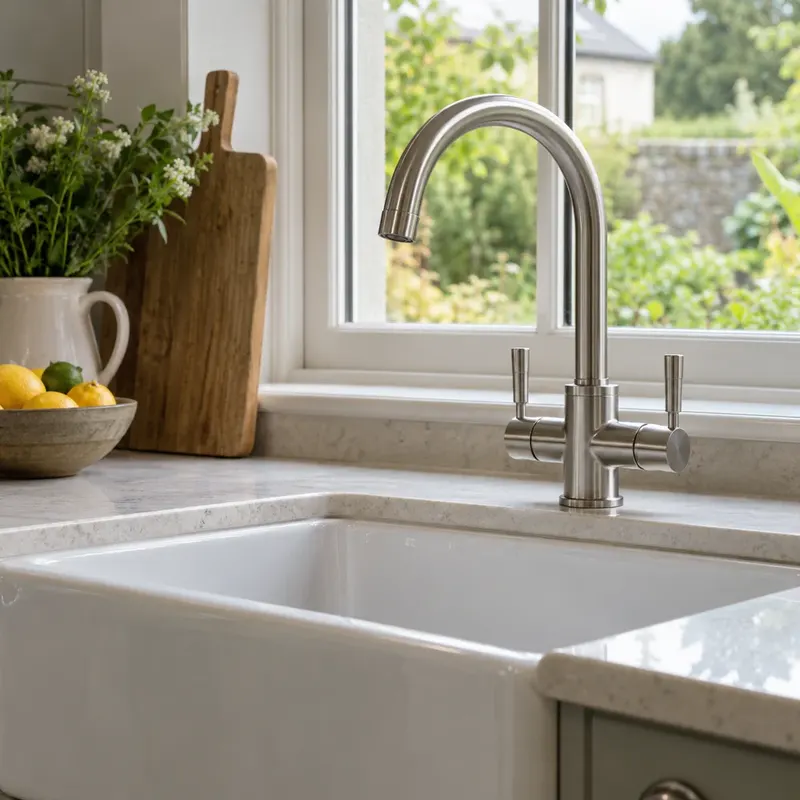
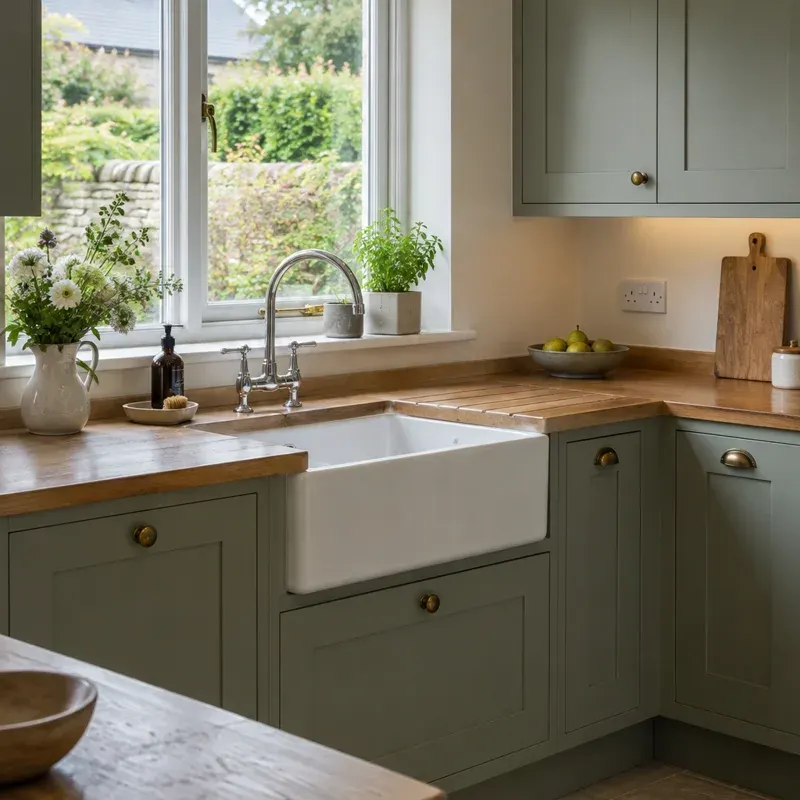
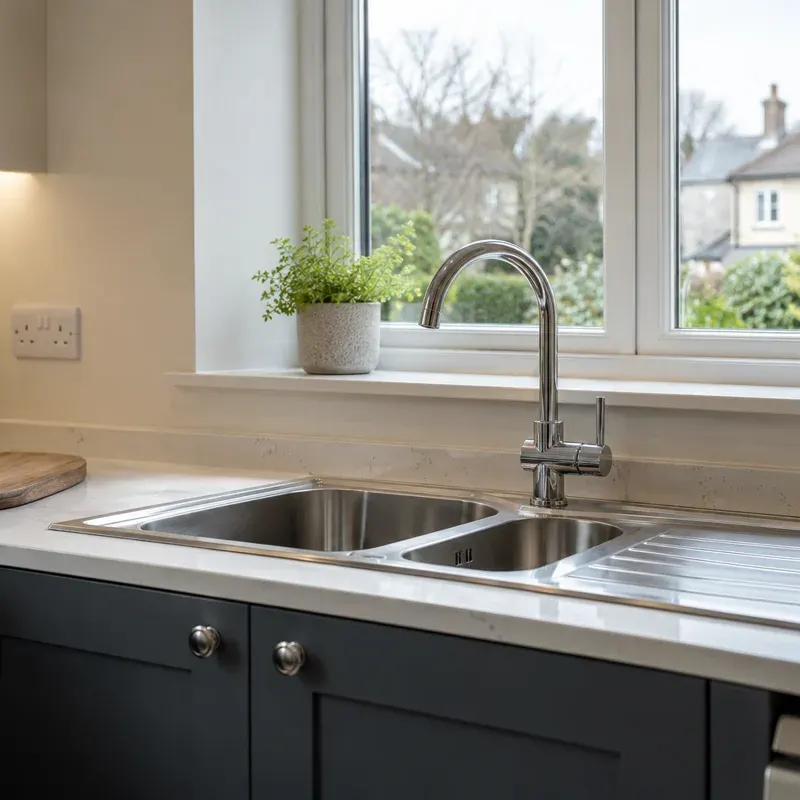
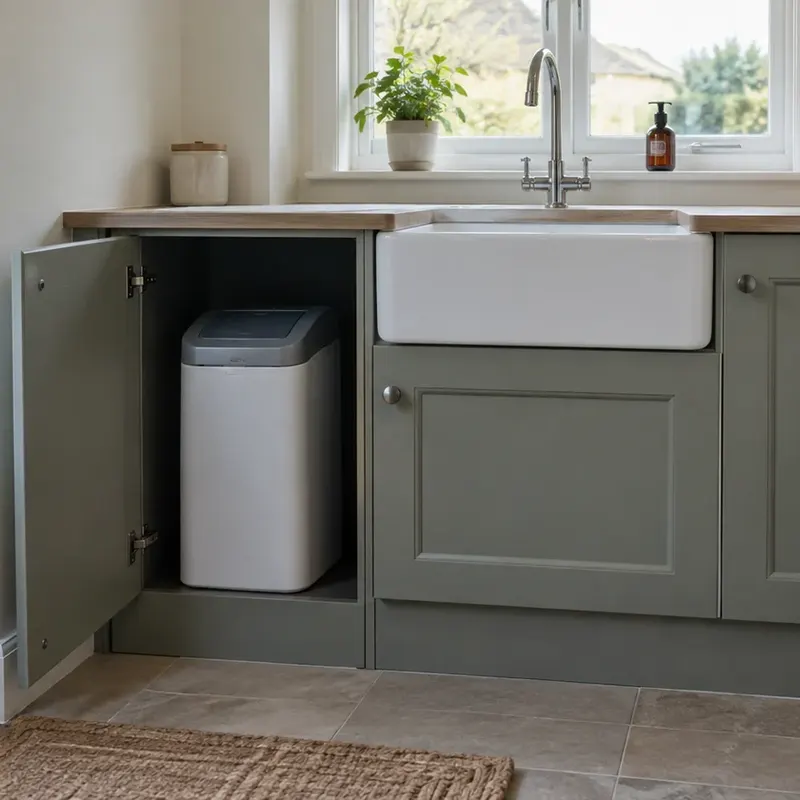
Agree the layout, the sanitaryware spec and an itemised written quote before any work begins.
The old suite, tiles and any rotten boards or old pipework come out, back to sound walls and floor.
New hot, cold and waste pipework is run to the new layout, along with any cables for lighting and the shower.
The wet areas are waterproofed, then the walls and floor are tiled and left to set and grout.
The bath, shower, basin, WC, taps, screens and towel rail are fitted and connected up.
Every joint is siliconed, every outlet is tested for leaks, and a final snag finishes the room.
The finish
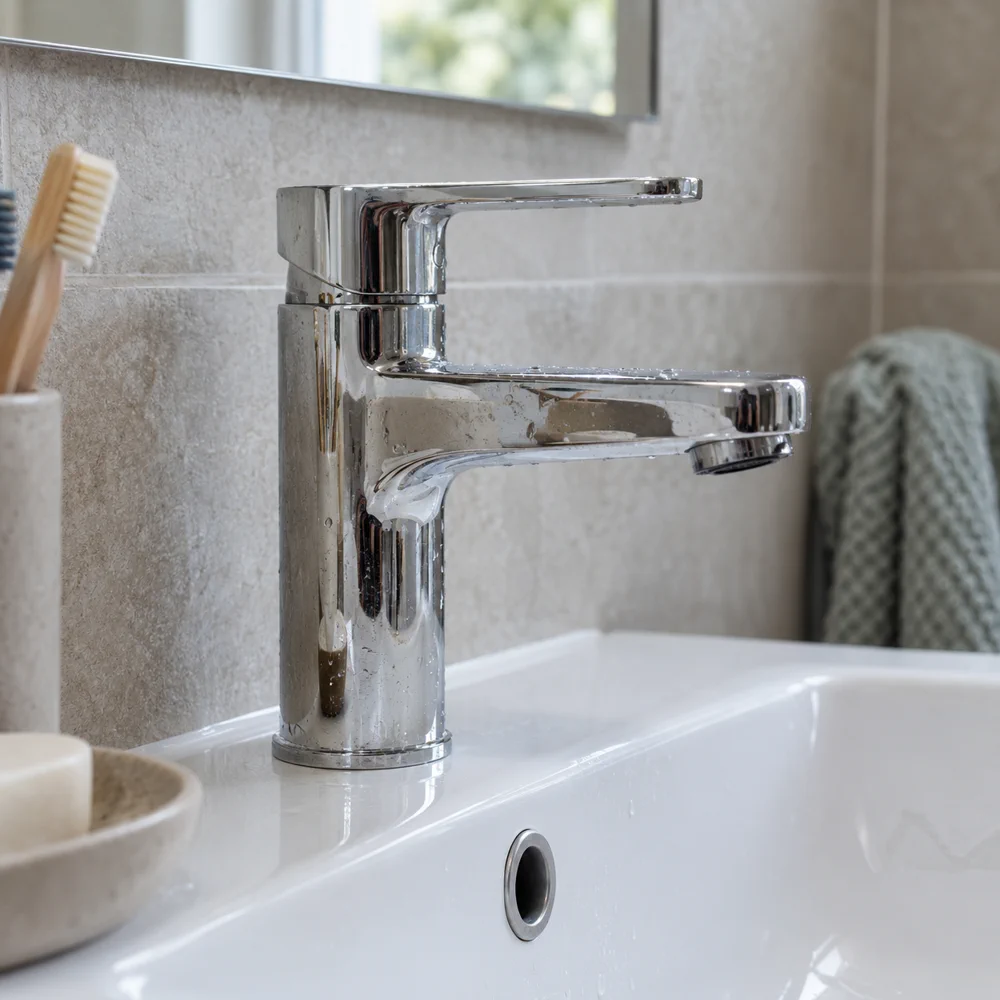
Once the big items are in, the finish is all in the detail: neat tiling and grout, tidy silicone lines, taps and screens that sit true, and a room that is snagged before you pay.
Ask to see a fitter’s recent work up close. The joints and the edges tell you everything about how they finish.
Hiring
A bathroom pulls several trades into a small, wet space, so the fitter who manages it matters. Here is what to check before you book.
A good quote breaks out strip-out, first fix, tiling, sanitaryware and labour, so you can see where the money goes.
Ask for photos of finished jobs and a reference or two from local homeowners the fitter has worked for.
Confirm a registered electrician handles the wiring and, where any gas is involved, an RGI-registered installer.
Set a realistic five to ten day schedule and staged payments tied to progress, never the full amount up front.
Local coverage
What you pay and how fast a fitter can start come down to where you live and how busy local trades are. Choose your county for local 2026 prices and bathroom fitters near you.
From Dublin apartment ensuites to family bathrooms across the Meath, Kildare and Wicklow commuter belt, Leinster has the deepest pool of fitters and tilers, and the most competition on price.
Cork, Limerick and Waterford cities have plenty of bathroom fitters, while rural Kerry and west Cork rely on smaller local firms, so it is worth booking ahead for a slot.
Galway city aside, much of Connacht is served by local one and two-person firms, so lead times can be longer and it pays to get your quotes in early.
Common questions
A full bathroom installation in Ireland costs €3,000 to €8,000 in 2026, with a like-for-like suite swap from about €2,500 and a fully tanked wet room €5,000 to €10,000. Tiling, the sanitaryware spec and moving the layout move the final price.
A straightforward bathroom refit takes five to ten working days. A like-for-like suite swap can be quicker, while a full wet room with retiling and layout changes takes longer, plus drying time for the tanking and grout.
No. Fitting or refitting a bathroom inside your home does not need planning permission. You only need to think about permissions if you are building an extension or converting a room in a way that changes the structure.
Yes, but moving a WC, bath or basin means new supply and waste pipework, and a WC in particular needs the right fall on the waste. It adds cost, so it is worth deciding the final layout before you get quotes.
A bathroom fitter or plumber usually leads the job and brings in a tiler and, where needed, a registered electrician for the wiring and an RGI installer for any gas. One contractor managing the trades can help coordinate them.
A wet room is a fully waterproofed, or tanked, bathroom with a level-access shower and no tray. It costs more than a standard bathroom, typically €5,000 to €10,000, because the whole floor and lower walls must be tanked and tiled.
Yes. Bathroom wiring, a shower pump, lighting and an extractor fan should be done by a registered electrician, because a bathroom is a wet, higher-risk zone under the wiring rules.
Proper tanking behind the tiles, the right fall to the waste, and careful silicone sealing at every joint are what stop leaks. Ask your fitter how they waterproof the wet areas, and make sure every outlet is tested before the job is signed off.
Keep reading
Bathroom installation quotes from plumbers and fitters in every county. Contact them directly, no fees, no sign-up.