
Hard-water treatment · Ireland
Water Softener Installation in Ireland: Cost, Types and Fitters
Salt-based, twin-tank or electronic: county-by-county guidance on what a water softener costs to supply and fit, which type suits your home and your water, what happens on installation day, and how to choose the right plumber for the job.
The short version
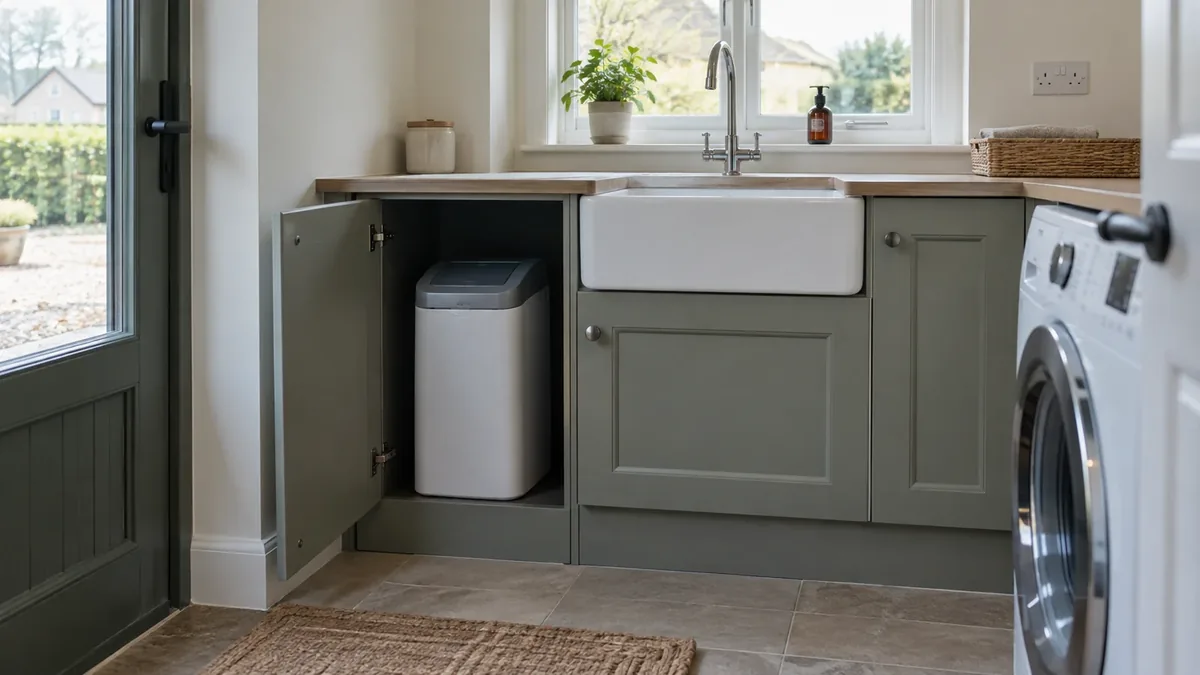
A salt-based water softener costs €600 to €1,200 supplied and fitted in Ireland in 2026, with twin-tank units higher and electronic descalers a cheaper €150 to €400. Hard water is common across the limestone belt of the east and midlands, where limescale furs up kettles, showers and heating. Choose your county below for local plumbers, or read on for the softener types, the 2026 costs, and what the job involves.
Whether you are fighting scaled taps in a Dublin semi, protecting a new combi in a Kildare build, or softening a bore supply in the midlands, the same three things decide the job: how hard your water actually is, the type of unit your home has room and plumbing for, and who fits it. Get those right and a softener is a clean half-day job that pays back in longer-lived appliances and less scale to scrub.
Why soften
What a Water Softener Does for Your Home
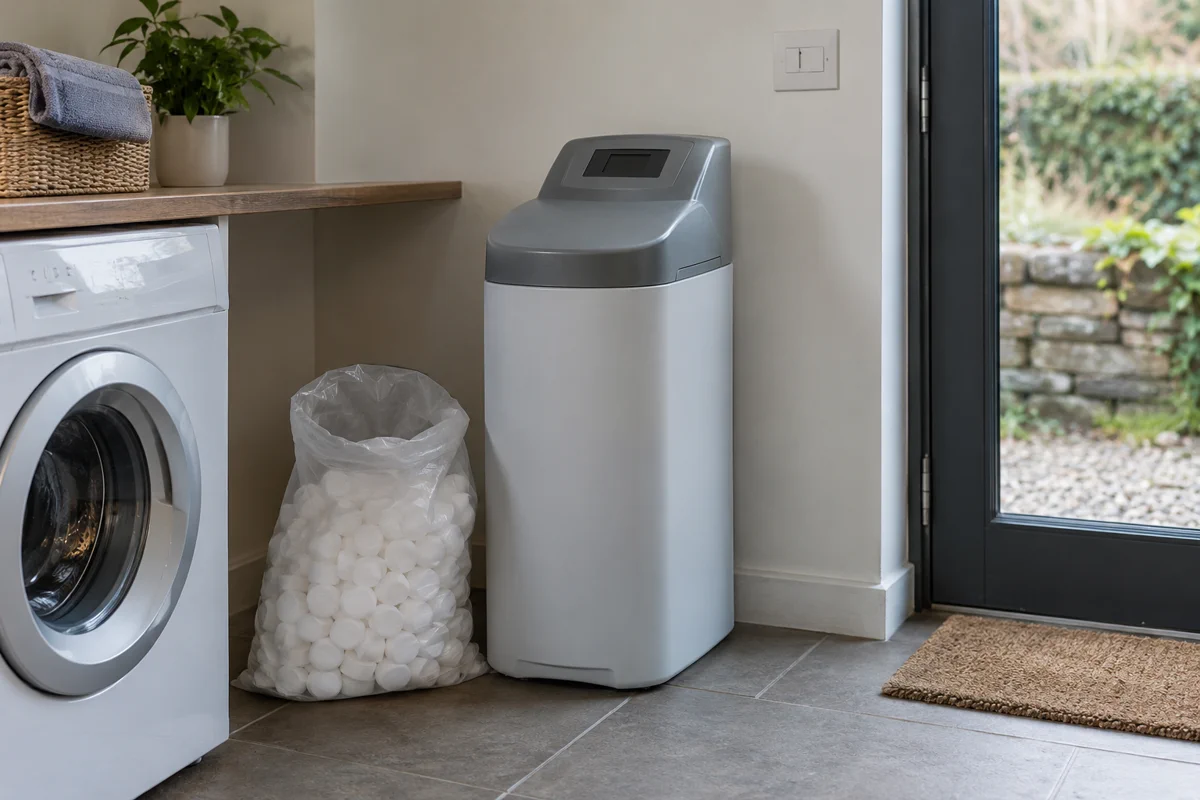
A salt-based softener removes the dissolved calcium and magnesium that make water hard, so scale stops forming inside your pipes, cylinder, kettle and heating. Appliances last longer, elements stay clean, and the film that hard water leaves on glass, tiles and skin largely disappears.
The everyday difference shows up fast. Soap and detergent lather with far less product, showers run clear, and the endless job of scrubbing limescale off taps and screens fades away. Over time, protecting a boiler and immersion from scale is where a softener quietly pays for itself.
- Stops limescale in pipes, cylinder and heating
- Cuts soap, shampoo and detergent use
- Protects boilers, immersions and appliances
Hard water
Signs You Have Hard Water at Home
Hard water is water high in dissolved calcium and magnesium, picked up as it passes through limestone. You cannot always taste it, but you can see it. If several of these sound familiar, your home is likely on a hard supply and a softener is worth pricing.
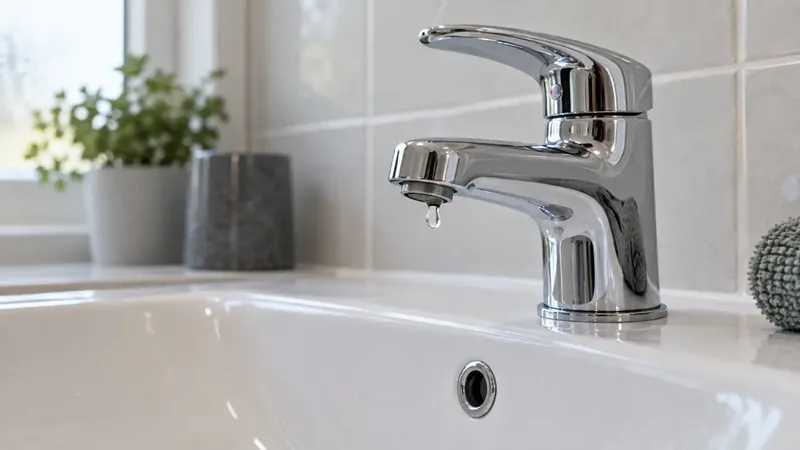
Limescale on Taps and Kettle
A chalky white crust on taps, spouts and inside the kettle is the clearest sign. It builds back within days of cleaning on a hard supply.
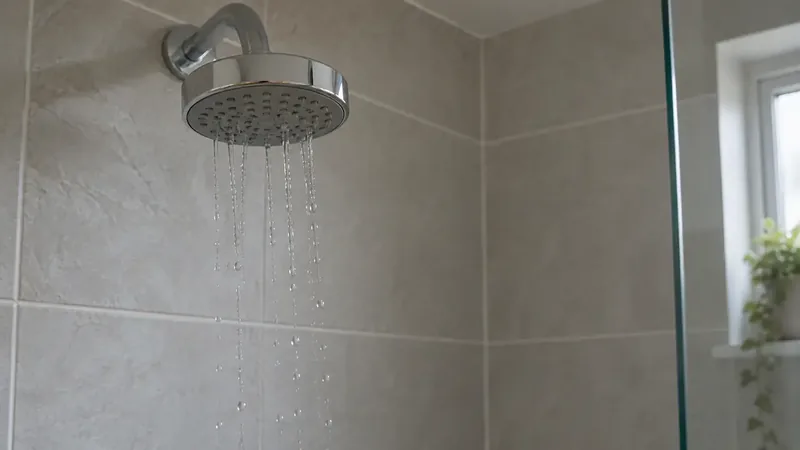
Scaly, Weak Showerheads
Blocked nozzles, a scattered spray and a showerhead that furs up quickly all point to scale forming as the water heats.
Spotty Glassware
Cloudy glasses and white spots on crockery straight out of the dishwasher are mineral deposits left as hard water dries.
Dry Skin and Dull Hair
Hard water leaves a soap residue that can leave skin feeling tight and hair flat, no matter how well you rinse.
You Use More Soap
Hard water fights lather, so you reach for more shampoo, washing-up liquid and detergent to get the same result.
Scaled Appliances and Heating
Scale coats the elements in dishwashers, washing machines and immersions, and furs up boiler heat exchangers, so they cost more to run.
The options
Water Softener Types in Ireland
Salt-based, twin-tank and electronic units treat hard water in very different ways, at very different prices. Here is what sets them apart before you get a quote.
Salt-Based Ion-Exchange
The standard true softener. Water passes through resin beads that swap the calcium and magnesium for sodium, then the resin is flushed clean with a brine made from softener salt. The most common choice in Irish homes, and the only type that genuinely removes hardness.
from€600
Twin-Tank Softener
Two resin tanks so one is always softening while the other regenerates, giving a continuous supply of soft water with no downtime. Suited to larger homes and higher demand, and typically the higher-priced option.
from€900
Electronic Descaler
An electric or electronic unit that wraps a coil around the incoming pipe and alters how scale forms, so it is less likely to stick. It does not remove minerals, so the water is not truly softened, but it is cheap and needs no salt or plumbing changes.
from€150
Compact Single-Tank
A space-saving all-in-one unit with the resin and brine tank in a single cabinet, built to fit under a sink or in a tight utility space. A good fit for apartments and smaller kitchens where a full twin-tank will not go.
from€600
2026 prices
How Much Does a Water Softener Cost in Ireland?
A salt-based water softener costs €600 to €1,200 supplied and fitted in Ireland in 2026, labour and VAT included. Twin-tank units sit higher, while an electronic or electric descaler is a cheaper €150 to €400. The unit itself is most of the price, so it pays to compare like for like.
- Get three written quotes, each naming the softener model
- A drain and mains point nearby keeps the fitting cost down
- Factor in €60 to €120 a year for softener salt
Every home is different. Your plumber will price the job on the unit, the pipework and where it sits, so treat the figures on the right as a budgeting guide, not a quote.
- Salt-based softener, supply and fit €600–1,200
- Twin-tank softener, supply and fit €900–1,500
- Electronic or electric descaler €150–400
- Fit only, you supply the unit €250–450
- Softener salt, per year €60–120
- Service or resin re-bed €80–150
Indicative ranges only. Always confirm with a written quote.
What Affects the Price of a Water Softener
Softener Type
A basic single-tank salt unit sits at the low end. A twin-tank continuous-supply system is dearer, while an electronic descaler is the cheapest option of all.
Where It Sits
A softener needs a mains connection and a drain nearby. If the unit has to go far from either, the extra pipework and drain run add to the fitting cost.
Plumbing Changes
Fitting a bypass, teeing off a hard tap for drinking water and rerouting the rising main all add labour compared with a straight in-line fit.
Capacity and Home Size
A bigger household needs more resin capacity, which means a larger, higher-priced unit and, for twin-tank systems, a second tank.
Salt or electronic
Salt-Based Softener or Electronic Descaler?
The honest answer depends on what you want. A salt-based softener genuinely removes hardness, so you get all the benefits, from softer skin to a scale-free cylinder. It needs a plumbed connection, a drain and regular salt, and it is the dearer option to buy and fit.
An electronic or electric descaler is cheaper and clips onto the pipe with no plumbing, but it does not remove any minerals. It only changes how scale forms, so results are more limited and better suited to renters, tight spaces or budgets where a full softener is not on.
On the day
How a Water Softener Is Installed
A standard salt-based softener is a half-day job for a plumber. Here is how it usually goes, from finding the right point on the main to handing you the soft-water result.
Find the Fitting Point
The plumber locates the rising main after the stopcock and checks there is a mains connection, a drain and a power point close enough for the unit.
Isolate and Cut In
The water is turned off at the stopcock and the pipe is cut to tee the softener into the incoming supply, before it branches to the rest of the house.
Fit a Bypass Valve
A bypass is fitted so the softener can be isolated for servicing or a holiday without cutting off water to the house.
Keep a Hard Tap
Where wanted, the kitchen cold tap is teed off ahead of the softener so you still have a hard, unsoftened supply for drinking and cooking.
Connect Drain and Power
The regeneration drain hose is run to a suitable waste point and the unit is powered up, then programmed for your water hardness.
Commission and Test
The plumber charges the brine tank with salt, runs the first regeneration, checks for leaks and confirms the water is running soft before handing over.
Running costs
What a Softener Costs to Run
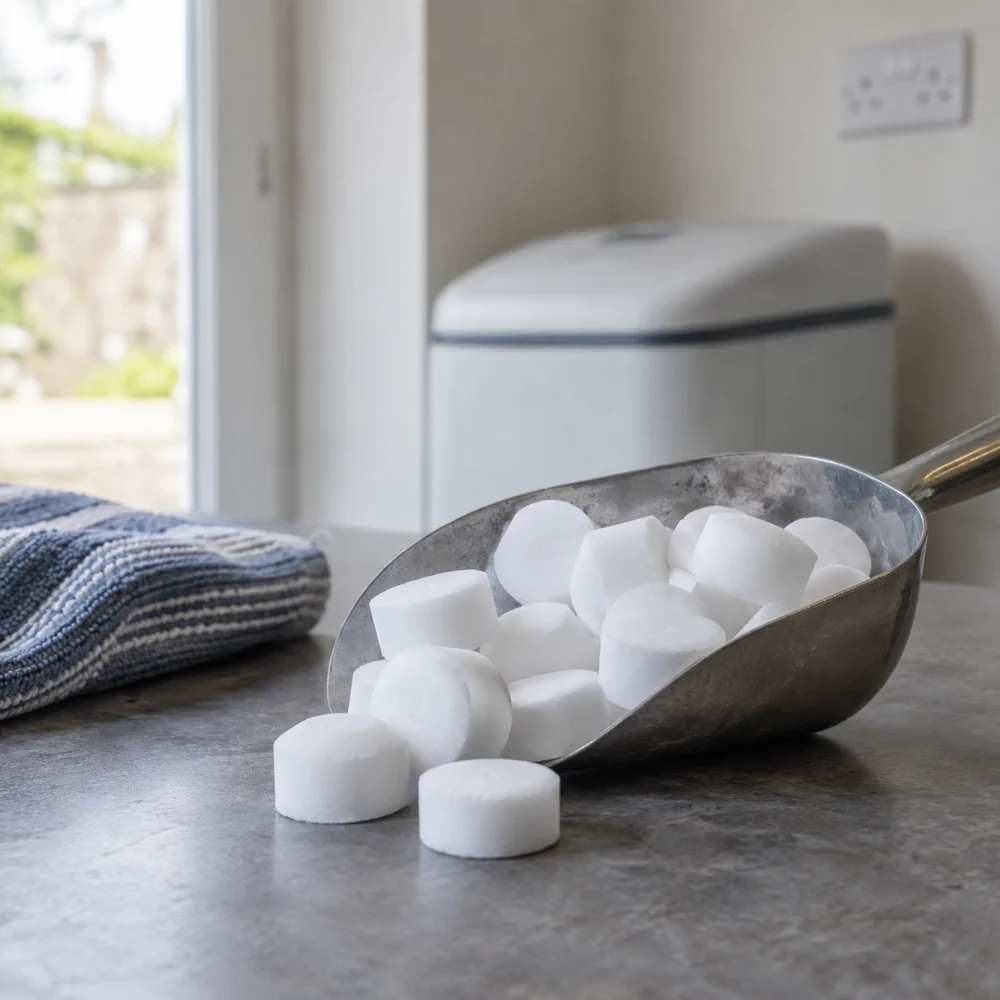
Once fitted, a salt-based softener costs little to keep going. The main running cost is softener salt, usually €60 to €120 a year for a typical household, plus a small amount of water and power used during regeneration. Most units run for well over a decade with only occasional servicing.
Set against that, softened water tends to cut spending elsewhere: less detergent, fewer descaling products, and appliances and heating that last longer and run more efficiently free of scale. For most hard-water homes the modest yearly cost is easily offset.
Hiring
How to Choose a Water Softener Installer
A softener is a plumbing job, so hire a qualified plumber and price the unit as carefully as the labour. A good quote is specific and a good installer is easy to check.
Get Your Water Tested
Ask the installer to test your hardness first, or check with Uisce Eireann for your area. Sizing the unit to your actual water avoids paying for capacity you do not need.
Get Three Written Quotes
Each quote should name the exact softener model, the labour, the bypass and any pipework changes. A quote with no named unit is incomplete.
Check the Warranty
Softeners carry manufacturer warranties that vary widely by brand. Confirm what is covered, for how long, and whether an annual service is required to keep it valid.
Ask About Servicing
Salt-based units need topping up with salt and an occasional service. Ask what ongoing care the unit needs and roughly what it costs before you commit.
Local coverage
Water Softener Installation by County in Ireland
How hard your water is, and therefore how much a softener helps, comes down to where you live and your supply. Choose your county for local 2026 prices and plumbers who fit water softeners.
Leinster
12 countiesMuch of the east and the midlands sits on limestone, so hard water is common from Dublin and Kildare through Meath, Offaly and Laois. Softeners are a steady request across the commuter belt, especially where new combis and heating need protecting from scale.
Munster
6 countiesHardness varies across Munster, with harder supplies over the limestone lowlands of Limerick and Tipperary and softer water off the older rock in parts of Cork and Kerry. A quick hardness test settles which homes benefit most.
Connacht
5 countiesWater tends to be softer over the west of Galway and Mayo, but the limestone country of east Galway and Roscommon can run hard, and many rural homes on bore or group supplies choose to soften and filter together.
Common questions
Water Softener Questions From Irish Homeowners
How much does a water softener cost in Ireland in 2026?
A salt-based water softener costs €600 to €1,200 supplied and fitted in 2026, with labour and VAT included. Twin-tank units sit higher, while an electronic or electric descaler is a cheaper €150 to €400. Budget a further €60 to €120 a year for softener salt.
Do I need a water softener in Ireland?
It depends on how hard your water is. Hard water is common across the limestone belt of the east and midlands, where limescale furs up kettles, showers and heating. If you see heavy scale on taps and appliances, a softener is worth pricing. A quick hardness test confirms whether your home would benefit.
What is the difference between a water softener and a descaler?
A salt-based softener passes water through resin that removes the calcium and magnesium, so it genuinely softens the water. An electronic descaler only alters how scale forms and removes no minerals, so it is cheaper and needs no plumbing, but the results are more limited.
How long does it take to install a water softener?
A standard salt-based softener is usually a half-day job for a plumber, from teeing into the rising main to commissioning the unit. An electronic descaler that clips onto the pipe can be fitted in under an hour, as it needs no cutting into the supply.
Is softened water safe to drink?
Softened water is generally fine for most people, though it carries a little added sodium from the softening process. Many homes keep the kitchen cold tap on a hard, unsoftened supply for drinking and cooking, which your plumber can plumb in during the install.
How much salt does a water softener use?
A typical household uses around €60 to €120 of softener salt a year, depending on how hard the water is and how much you use. The unit tops itself up automatically during regeneration, so you simply keep the brine tank stocked with salt blocks or tablets.
Where is a water softener usually installed?
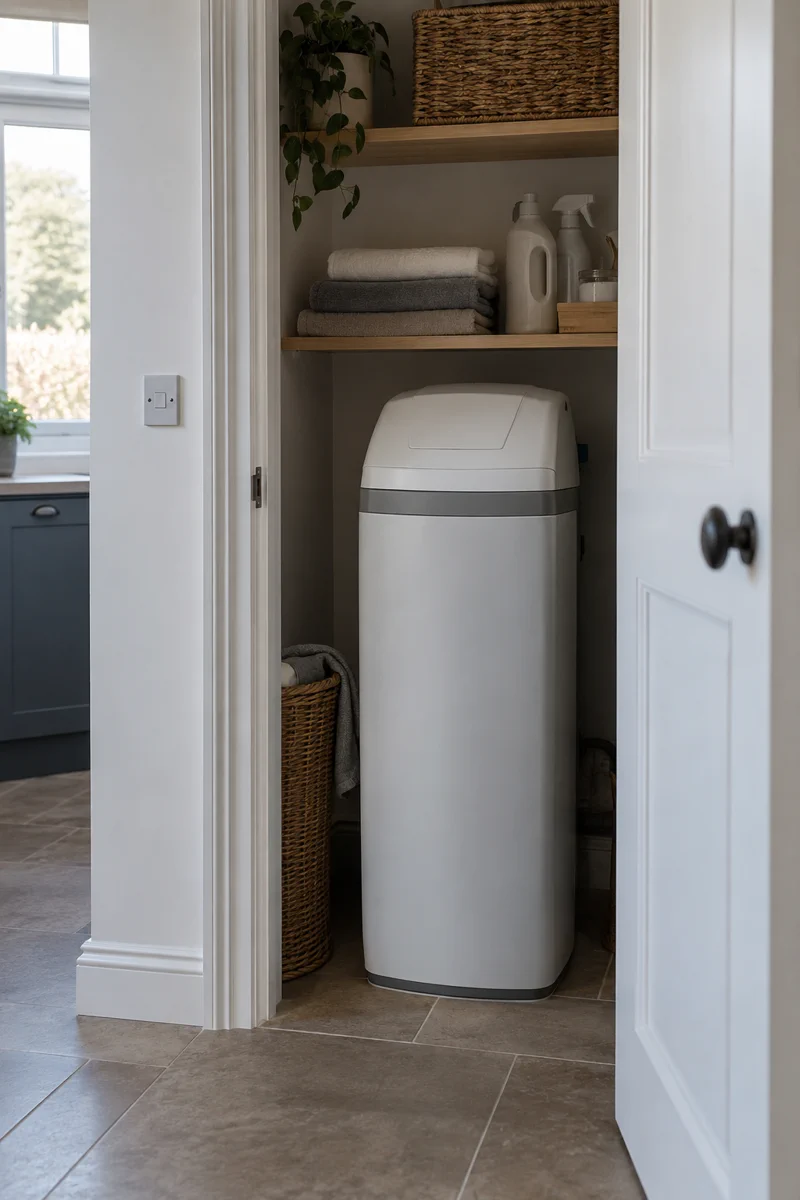
A softener is fitted on the rising main, just after the stopcock and before the water branches to the rest of the house, so it needs a mains connection, a drain and a nearby power point. That is most often under the kitchen sink or in a utility room, garage or hot press.
Find a Water Softener Installer Near You
Water softener quotes from plumbers in every county. Contact them directly, no fees, no sign-up.
Browse plumbers by county