Wet vs Electric Underfloor Heating
There are two kinds of underfloor heating, and the choice between them decides most of the cost and where the system makes sense. A wet system circulates warm water through pipe loops laid into or over the floor, fed from a manifold. An electric system uses a thin heating mat or cable set under the floor finish and wired to a thermostat.
As a rule, wet suits whole-house heating and is far cheaper to run, while electric is cheaper to fit and quick to install but more expensive to run, so it suits single rooms such as a bathroom or kitchen.
| System | From (per m²) | Best for |
|---|---|---|
| Wet underfloor heating | €50 | Whole house, larger areas, off a heat pump or boiler |
| Electric underfloor heating | €40 | Single rooms, tiled bathrooms and kitchens |
For a full breakdown by county and system type, see our underfloor heating costs page.
How Underfloor Heating Works
Instead of heating a room from a radiator on the wall, underfloor heating turns the whole floor into a gentle, low-temperature radiator. The heat rises evenly across the room, with no cold spots and no hot panels, which is why it suits open-plan living areas and keeps walls clear for furniture and glazing.
Wet systems
Continuous pipe is laid in loops across the floor, spaced to give even heat, and every loop returns to a manifold. The manifold splits the flow, balances the loops and connects the system to the heat source, whether that is a heat pump or a boiler. Zoning and room thermostats let you heat the areas you use, when you use them.
Electric systems
A thin heating mat or cable is set under tile or stone and wired to a thermostat. There is no pipework or manifold, so it is quick to fit in a single room, but it draws on mains electricity, which makes it more expensive to run across a larger area.
New Build vs Retrofit
The single biggest factor in the price of a wet system is whether it is going into a new build or being retrofitted to an existing floor.
New build
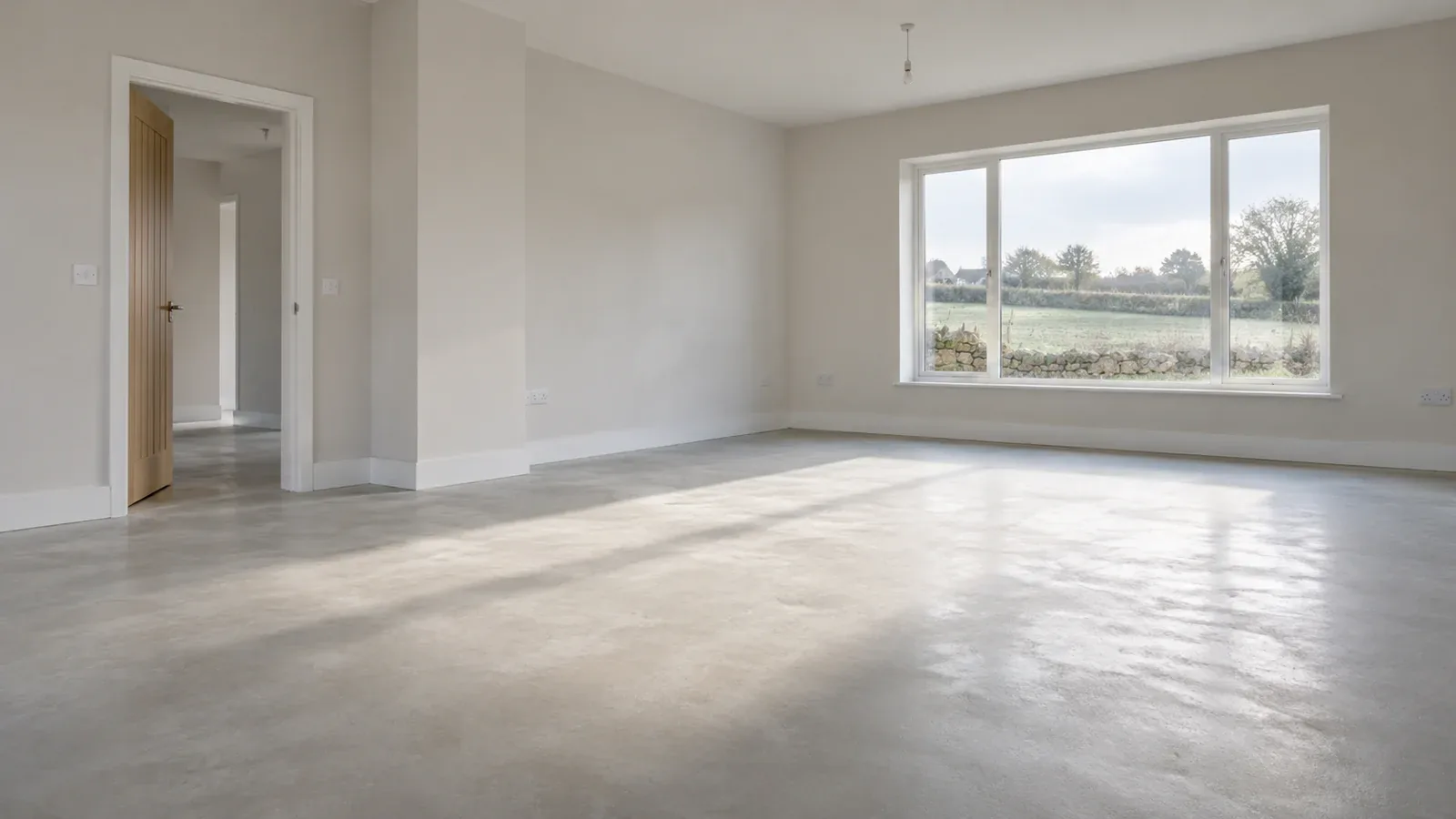
A new floor slab is the ideal time to lay wet underfloor heating, because the pipe goes in before the screed at the lowest possible cost. This is the most cost-effective way to fit a wet system, and a wet new build fit starts around €50 per square metre.
Retrofit
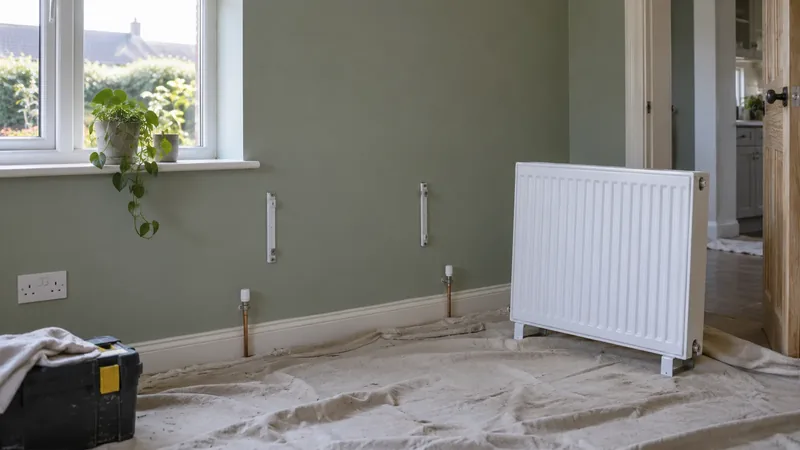
A retrofit lays a low-profile wet system over the existing floor, usually with insulation boards and a thin screed or panel. The floor build-up and the levels work push the price up, so a retrofit runs towards €100 per square metre. It works best where the floor can take the extra build-up and the insulation, so the heat rises into the room rather than being lost downwards.
Pairing With a Heat Pump
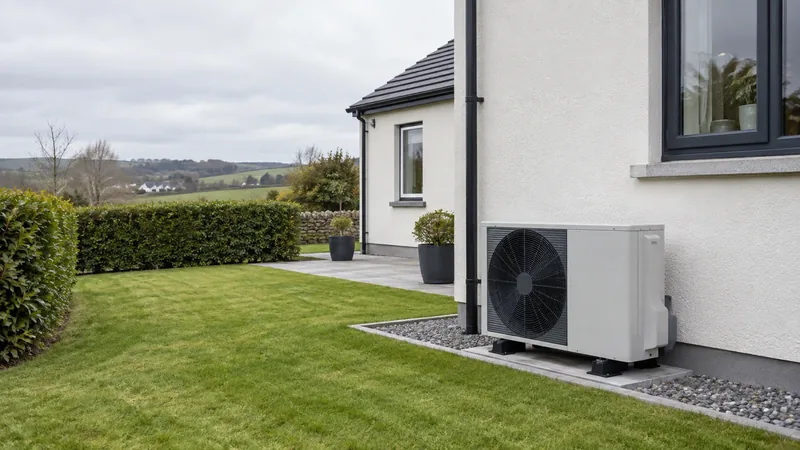
Underfloor heating and heat pumps are a natural pair. Underfloor heating runs at a much lower water temperature than radiators, typically around 35 to 45 degrees rather than the 60 to 70 a radiator system uses. That low flow temperature is exactly where a heat pump is most efficient, so the two are increasingly specified together in Irish new builds and deep retrofits.
It is the same logic that drives the SEAI grants. A home moving to a heat pump usually needs low-temperature heat emitters to get the best out of it, and a wet underfloor system across the ground floor is one of the most effective ways to deliver that even, gentle heat while keeping running costs down. There is no standalone SEAI grant for underfloor heating itself, but a heat pump system attracts a grant of up to €12,500 through an SEAI-registered contractor, with €1,200 available for solar water heating.
For the plumber's side of a heat pump job, from pipework to commissioning, see our guide to heat pumps and your plumbing, or read about SEAI grants for plumbing work.
Which Floor Finishes Suit It
The floor finish over underfloor heating matters, because it decides how well the heat reaches the room. Some finishes conduct and hold heat, while others insulate the floor and reduce the output you paid for.
Best finishes
Tile and stone are the best finishes because they conduct heat well and hold it, which is why underfloor heating suits kitchens, halls and bathrooms. Engineered wood and some vinyls are also suitable if they are rated for underfloor heating.
What to avoid
Deep-pile carpet and thick underlay insulate the floor and reduce output, so they are best avoided over underfloor heating. If you have your heart set on carpet in a room, discuss it with your installer before the system is designed, as it changes the heat output for that space.
What Underfloor Heating Costs in 2026
Underfloor heating in Ireland costs €50 to €100 per square metre for a wet system and €40 to €80 per square metre for electric in 2026, before floor finishes. A whole-house wet system comes to several thousand euro fitted. A new build fit sits at the low end, while a retrofit with a new floor build-up sits at the top. The figures below are a budgeting guide, not a quote, so always get it in writing.
| Job | Typical cost | Notes |
|---|---|---|
| Wet UFH, new build, per m² | €50–70 | Pipe into the slab before the screed |
| Wet UFH, retrofit, per m² | €70–100 | Low-profile over an existing floor |
| Electric UFH, per m² | €40–80 | Mat or cable under tile or stone |
| Manifold, supply and fit | €400–900 | Splits and balances a wet system |
| Whole-house wet system | Several thousand | Depends on area and floor build-up |
| Thermostat, per zone | €80–200 | One per zone for control |
Get three written quotes, each stating the area in square metres, and remember that electric is cheaper to fit but more expensive to run than wet. For the full county-by-county picture, see our underfloor heating costs page.
Key takeaways
- Wet underfloor heating circulates warm water through pipe loops and suits whole-house heating; electric uses a mat or cable and suits single rooms.
- A wet system costs €50 to €100 per square metre in 2026 and electric €40 to €80, both before floor finishes.
- A new build fit is far cheaper than a retrofit, because the pipe goes into the slab before the screed at the lowest cost.
- Underfloor heating runs at a low flow temperature of around 35 to 45 degrees, exactly where a heat pump is most efficient.
- Tile and stone are the best floor finishes, as they conduct and hold heat well.