
Taps, sinks and appliances · Ireland
Kitchen Plumbing in Ireland: Cost, Jobs and Local Plumbers
New taps and mixers, sink and waste changes, dishwasher and washing-machine connections, and full kitchen fit plumbing, with county-by-county guidance on what each job costs, what is involved, and how to choose the right plumber.

The short version
Most kitchen plumbing jobs in Ireland cost €80 to €400 in 2026, from a new tap fitted at €120 to €300 to a Belfast or undermount sink fit at €150 to €400, while a full kitchen first and second fix runs €600 to €1,500. Whether you are in a Dublin apartment or a bungalow in Tralee, the price comes down to the job and your county. Choose yours below, or read on for the 2026 costs and what each job involves.
Kitchen plumbing covers everything the water and waste side of your kitchen touches: the tap and its supply, the sink and its trap, the connections for your dishwasher and washing machine, and the first and second fix pipework when you refit the room. Some of it is a quick hour with the water isolated, some of it means lifting units and rerouting pipe. Knowing which job you have makes the quotes you get far easier to compare.
Taps and mixers
A Tap That Lasts, Fitted Properly
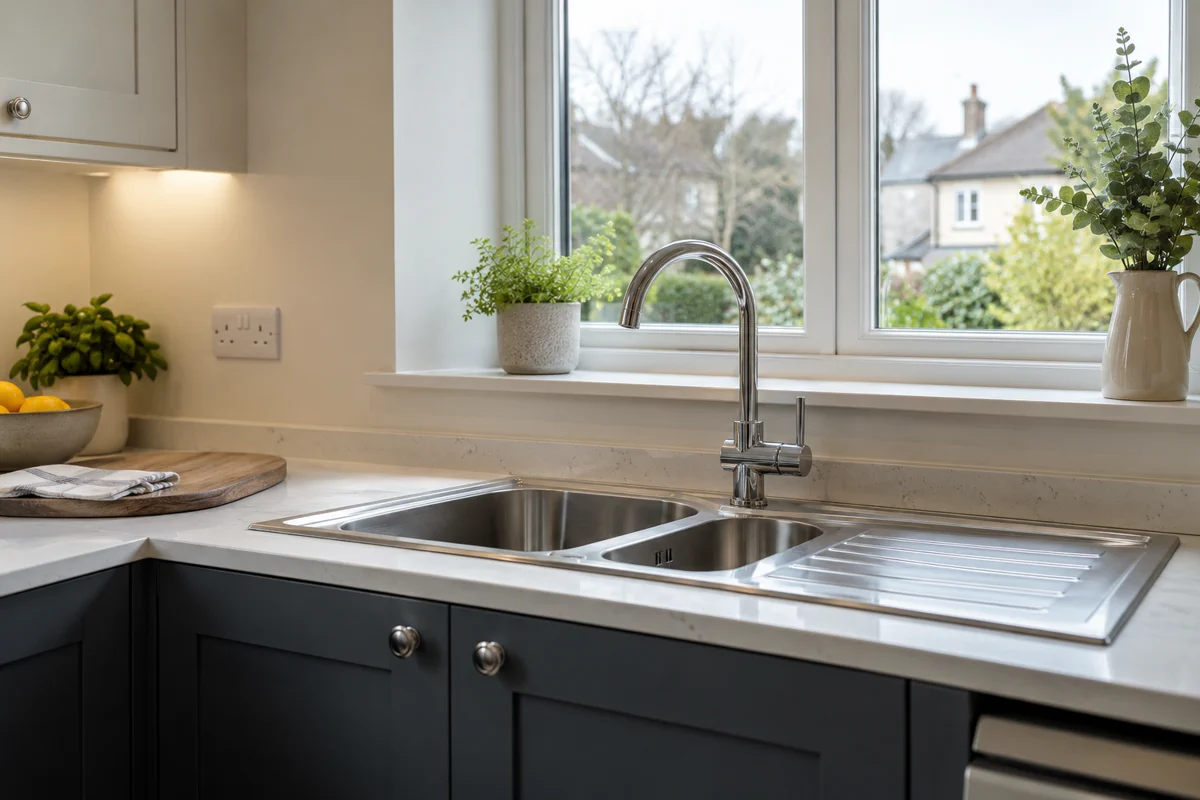
The kitchen tap is the fitting you use most in the house, so it is worth fitting well. Most drips and stiff levers come down to a worn cartridge or a tap that has simply reached the end of its life, and a like-for-like mixer swap is a quick job once the water is isolated.
Where you are moving to a different style, a pull-out spray, a taller mixer for a deep sink or a boiling-water tap, the plumber will often fit new flexible tails and isolating valves underneath at the same time, so the new tap has clean connections and can be shut off on its own in future.
- Like-for-like mixer swaps are a quick, tidy job
- New tails and valves make future changes easier
- Isolating valves let you shut off the tap alone
When to call a plumber
Signs Your Kitchen Plumbing Needs Attention
Kitchen plumbing problems tend to start small and get worse quietly under the units. Catching them early keeps a simple job from turning into water damage to a cabinet or floor. These are the signs Irish plumbers see most in the kitchen.
A Dripping or Stiff Tap
A tap that drips after you close it, or one that has gone stiff to turn, usually needs a new cartridge or, on an older tap, a full replacement.
A Slow or Blocked Sink
Water sitting in the bowl or draining slowly points to a blocked trap or waste pipe, often a build-up of fat and food that needs clearing.
A Leak Under the Sink
Damp, a musty smell or a water-marked cabinet base means a leaking trap, connection or supply valve, and it rarely fixes itself.
Low Pressure at the Tap
A weak flow at the kitchen tap when the rest of the house is fine usually points to a part-closed valve, a blocked aerator or an old supply line.
Old Pipework on a Refit
If you are refitting the kitchen and the existing pipework is old or in the wrong place, it is far cheaper to redo it while the units are out.
A New Appliance to Connect
A new dishwasher or washing machine needs a proper supply valve and waste connection, not a temporary hose, to avoid leaks and smells.
The options
What Kitchen Plumbing Covers
Most kitchen work falls into one of four jobs, each with its own price and its own morning of work. Here is what sets them apart before you get a quote.
Taps & Mixers
Swapping a worn or leaking tap for a new mixer, pull-out or boiling-water tap. A like-for-like change is a quick job once the supply is isolated, while a new tap style may need new tails or valves underneath.
from€120
Sinks & Waste
Fitting a new inset, Belfast or undermount sink, along with the trap, waste pipe and overflow. The sink type and whether the waste run needs changing decide how long it takes and what it costs.
from€150
Appliance Connections
Plumbing in a dishwasher or washing machine with a dedicated supply valve and a proper waste connection. Straightforward where a valve exists, more involved where a new tee and waste have to be added.
from€80
Full Kitchen Fit Plumbing
The first and second fix for a new kitchen: capping and moving supplies and waste to suit the new layout, then connecting the sink, tap and appliances once the units are in.
from€600
2026 prices
How Much Does Kitchen Plumbing Cost in Ireland?
Kitchen plumbing in Ireland costs €80 to €400 for most single jobs in 2026, with labour and VAT included. A tap or appliance connection sits at the low end, a new sink and waste in the middle, and a full kitchen first and second fix at €600 to €1,500.
- Get the price per job, not a vague hourly guess
- Fitting only, where you supply the tap or sink, costs less
- Awkward access or old pipework adds time and cost
Every kitchen is different. Your plumber will price the job on the fittings, the pipework and your county, so treat the figures on the right as a budgeting guide, not a quote.
- New kitchen tap, supply and fit €120–300
- Belfast or undermount sink fit €150–400
- Dishwasher or washing machine connection €80–200
- Waste and trap work €80–200
- Full kitchen first and second fix €600–1,500
- Fit only, you supply the tap €80–140
Indicative ranges only. Always confirm with a written quote.
What Affects the Price of Kitchen Plumbing
The Fittings You Choose
A basic mixer and a boiling-water or pull-out tap are very different jobs. A Belfast sink and a new waste run take longer than a like-for-like inset swap.
Access Under the Units
A clear cupboard is quick to work in. Where units, appliances or old boxing have to come out first, the labour goes up.
Moving Pipework
Keeping the sink and appliances in the same spot is cheapest. Moving them on a new layout means rerouting supply and waste, which adds time.
Your County
Dublin and the commuter belt typically carry a 10 to 15 per cent premium over rural counties, down to demand and travel time.
Appliance connections
Connecting Your Appliances Safely
A dishwasher or washing machine needs a dedicated supply valve and a proper waste connection, not a hose pushed onto an existing pipe. Done right, the connection is sealed, secure and easy to isolate, which is what keeps leaks and drain smells out of the cupboard.
Where a supply valve and waste tee already exist, plumbing in a new appliance is straightforward. Where they do not, the plumber adds a tee to the supply and a spigot to the waste, which is a little more work but leaves you with a connection built to stay dry.
On the day
How a Kitchen Plumbing Job Works
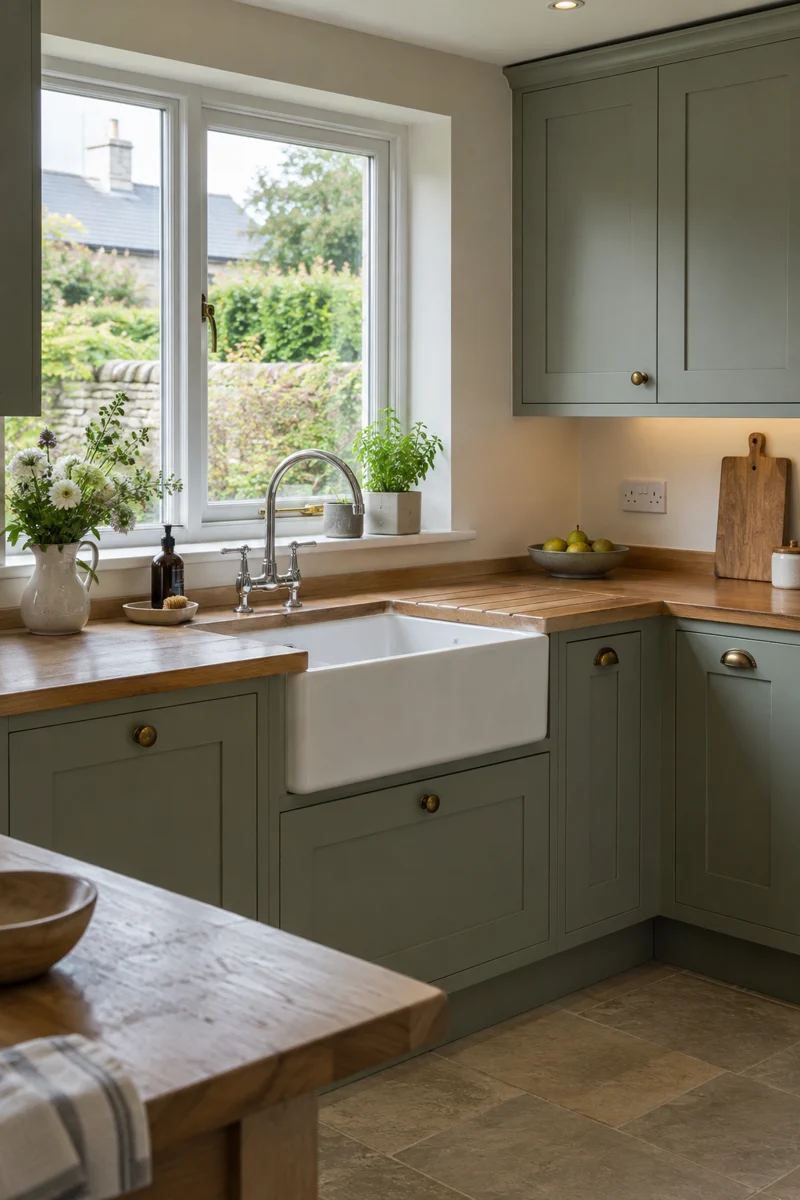
A tap or sink change is usually a morning job. Here is how a plumber works through it, from isolating the water to leaving the connections tested and dry.
Isolate the Water
The plumber shuts off the supply at the isolating valves under the sink, or at the mains stopcock, before anything is disconnected, so the work starts dry.
Remove the Old Fitting
The old tap, sink or trap comes out, and the plumber checks the state of the tails, valves and waste pipe behind it while there is clear access.
Prepare the Supplies and Waste
New isolating valves, flexible tails or waste connections go on where the old ones are worn, so the new fitting has clean, reliable connections.
Fit the New Tap or Sink
The new tap or sink is fitted, sealed and levelled, and the trap and waste are connected and aligned so nothing is under strain.
Reconnect and Test
The water goes back on and the plumber runs the tap, fills and drains the sink, and checks every joint for leaks before signing off.
Clear Up and Advise
The old fittings are taken away, the cupboard is left clean and dry, and the plumber points out the isolating valves so you can shut off quickly if needed.
Kitchen refits
When a Refit Means New Pipework
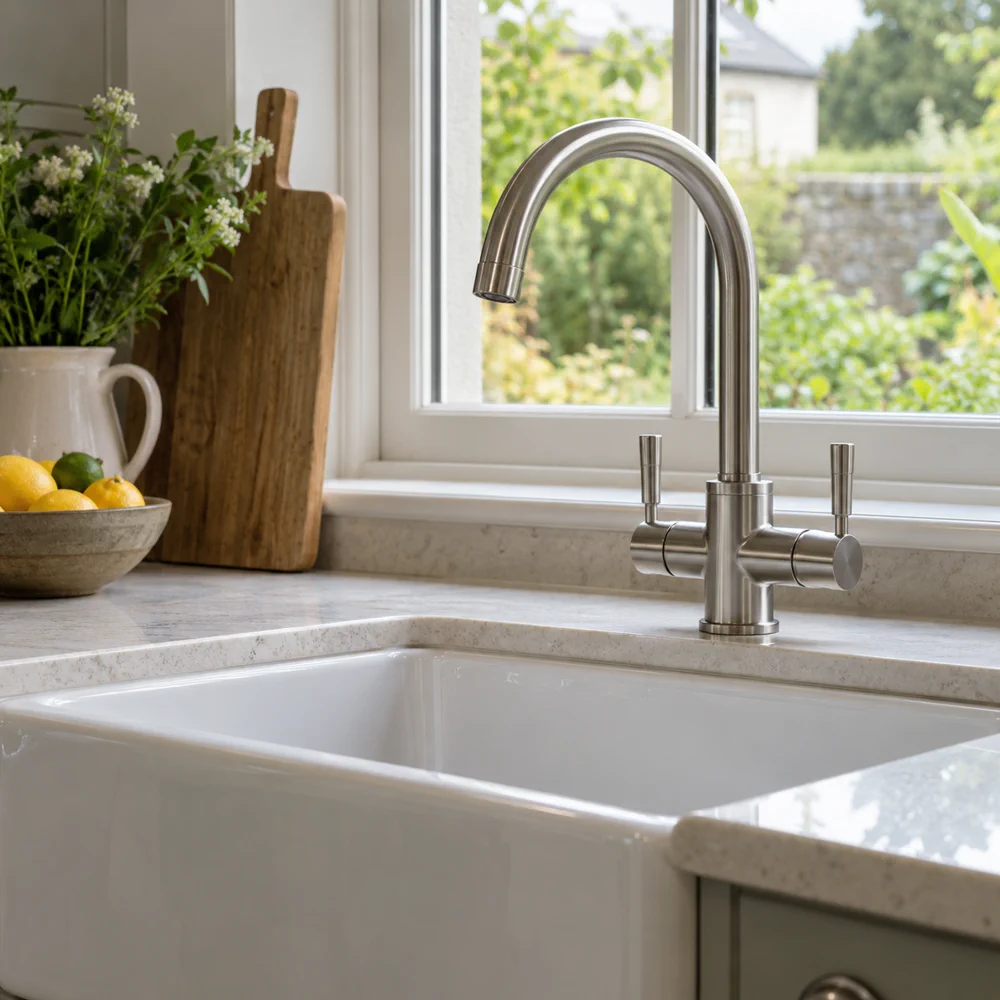
A new kitchen almost always moves the sink, and often the dishwasher and washing machine too. When the units are out, the first fix is the time to cap, move and reroute the supply and waste to suit the new layout, because doing it later means pulling the kitchen apart again.
Once the units and worktop are in, the second fix connects the sink, tap and appliances and tests everything for leaks. Splitting the job this way, first fix before the units, second fix after, is what keeps a kitchen refit on schedule.
- First fix reroutes supply and waste to the new layout
- Second fix connects the sink, tap and appliances
- Doing pipework with units out saves money later
Hiring
How to Choose a Kitchen Plumber in Ireland
General plumbing work does not need gas registration, so the things that matter are experience, insurance and a clear, itemised quote. Here is what to check before you book.
Get a Price Per Job
Ask for the price of the actual job, tap fitted or sink fitted, not just an hourly rate. A fixed price per job is far easier to compare between plumbers.
Ask What Is Included
Confirm whether the tap, sink, valves and waste fittings are supplied or whether you buy them. A quote that lists materials separately avoids surprises.
Check Insurance
A leak under a kitchen unit can damage cabinets and flooring, so make sure your plumber carries public liability insurance before work begins.
Use a Local Plumber
A plumber based in or near your county keeps travel charges down and can come back quickly if anything needs a second look after the job.
Local coverage
Kitchen Plumbing by County in Ireland
What you pay, how fast a plumber can reach you, and whether a call-out charge applies all come down to where you live. Choose your county for local 2026 prices and plumbers who cover kitchen work.
Leinster
12 countiesFrom apartment kitchens in Dublin city to new builds across Meath, Kildare and Wicklow, Leinster sees steady kitchen work, tap and sink swaps in older terraces and full fit-outs in the commuter belt.
Munster
6 countiesCork, Limerick and Waterford cities keep plumbers busy with refits and appliance connections, while rural homes around Tralee, Killarney and west Cork often pair kitchen work with wider plumbing jobs.
Connacht
5 countiesGalway, Sligo and the surrounding counties mix city-centre kitchen refits with work in older rural homes, where a new sink and waste often go in alongside other upgrades on the same visit.
Common questions
Kitchen Plumbing Questions From Irish Homeowners
How much does it cost to fit a new kitchen tap in Ireland in 2026?
Fitting a new kitchen tap costs €120 to €300 in 2026 for a like-for-like mixer swap, including labour and VAT. Fitting only, where you supply the tap, costs €80 to €140. A boiling-water or pull-out tap that needs new tails or valves sits at the higher end.
How much does it cost to fit a kitchen sink in Ireland?
Fitting a kitchen sink costs €150 to €400 in 2026, depending on the sink type and whether the waste run needs changing. An inset sink swap is at the lower end, while a Belfast or undermount sink with a new trap and waste sits higher.
How much does it cost to plumb in a dishwasher or washing machine?
Plumbing in a dishwasher or washing machine costs €80 to €200 in 2026. It is at the lower end where a supply valve and waste connection already exist, and higher where the plumber has to add a new supply tee and waste connection.
How much does full kitchen plumbing cost for a new kitchen?
Full kitchen plumbing, the first and second fix for a new kitchen, costs €600 to €1,500 in 2026. The price depends on how far the sink and appliances move from their old positions and how much supply and waste pipework has to be rerouted.
Why is my kitchen sink draining slowly?
A slow-draining kitchen sink is usually a blocked trap or waste pipe, most often a build-up of fat, grease and food. A plumber clears the trap and waste and checks the run. Waste and trap work typically costs €80 to €200.
Do I need a plumber to connect a dishwasher or washing machine?
You can connect an appliance yourself where a supply valve and waste connection already exist, but a plumber is worth it where a new supply tee or waste has to be added. A proper valve and sealed waste connection are what keep leaks and drain smells out of the cupboard.
Can a kitchen tap have low water pressure on its own?
Yes. If only the kitchen tap is weak while the rest of the house is fine, the cause is usually a part-closed isolating valve, a blocked aerator on the spout, or an old supply line. A plumber can check and clear these quickly.
How long does a kitchen tap or sink change take?
A like-for-like kitchen tap or sink change usually takes one to two hours once the water is isolated. A new sink with a changed waste run, or a job with awkward access under the units, takes longer.
Find a Kitchen Plumber Near You
Kitchen plumbing quotes from plumbers in every county. Contact them directly, no fees, no sign-up.
Browse plumbers by county