Combi vs System vs Oil: Which Suits Your Home
The first decision is the boiler type your home is plumbed for, and whether you are staying like-for-like or changing system. Combi, system, regular heat-only and oil each suit a different home and carry a different installed price. Here is what sets them apart before you get a quote.
Combi boiler
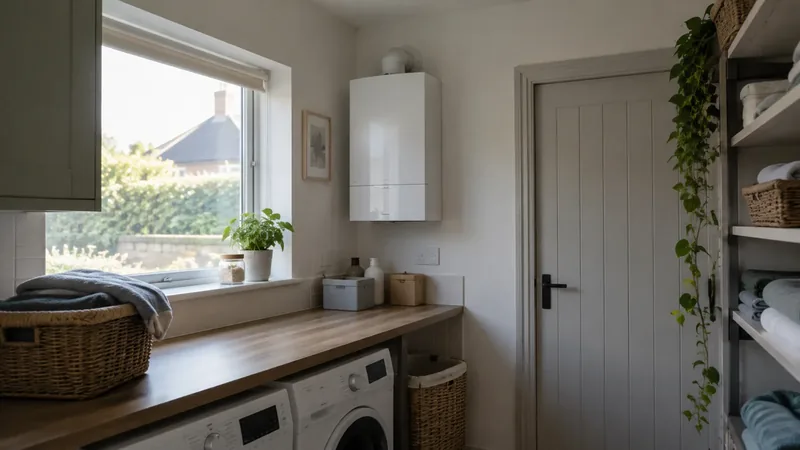
A combi heats water on demand straight from the mains, with no cylinder or attic tank. It is the most popular choice in Irish homes built from the 1990s on, suited to houses and apartments under about 130 square metres with one or two bathrooms.
System boiler
A system boiler works with a hot water cylinder but no cold tank in the attic, feeding pressure straight from the mains. It suits larger homes with several bathrooms and higher hot water demand, and pairs well with solar water heating.
Regular heat-only boiler
A regular, or heat-only, boiler needs both a hot water cylinder and a cold water feed tank in the attic. It is most common in older homes built before the 1980s, where a like-for-like swap keeps the existing pipework layout intact.
Oil boiler
An oil boiler is for homes off the gas network, common across rural Munster, Connacht and the border counties. Modern condensing oil boilers run at over 90% efficiency, and SEAI grants apply when you switch to a heat pump or solar thermal system.
| Boiler type | Fitted from | Best for | Hot water |
|---|---|---|---|
| Combi | €2,200 | Smaller homes, 1 to 2 bathrooms | On demand, no cylinder |
| System | €2,800 | Larger homes, several bathrooms | Cylinder, no attic tank |
| Regular | €2,200 | Older homes, existing layout | Cylinder and attic tank |
| Oil | €3,000 | Off the gas grid, rural homes | Cylinder, oil-fired |
For a full breakdown of the job and county-by-county guidance, see our boiler installation guide.
Sizing the Boiler to Your Home
A bigger boiler is not a better boiler. The right size comes down to how many bathrooms you have, your hot water demand and the layout your home is already plumbed for. Buy too big and the boiler cycles on and off and runs less efficiently; buy too small and you run short of hot water.
Match the type to the layout
If you have a cylinder and an attic tank, a regular boiler is the like-for-like swap that keeps your pipework intact. If you have a cylinder but no attic tank, a system boiler fits. If you have neither and want to free up the space, a combi is the usual choice for a smaller home.
Count the bathrooms
A combi draws hot water on demand, so a single unit can struggle when two showers run at once. For a home with several bathrooms and higher simultaneous demand, a system boiler feeding a stored cylinder is the more reliable choice.
Let the installer confirm the output
The final output rating should come from your installer after they have seen the home. Ask them to explain why they have specified a given size, and see our central heating installation guide if you are changing the wider system at the same time.
Efficiency and Running Costs
The purchase price is only part of the cost. A boiler you run for a decade or more will cost far more to fuel than to fit, so efficiency is where a new boiler earns its keep.
Why an old boiler costs you
An older non-condensing boiler can run at 70 per cent efficiency or less, so you pay more for the same heat. Most boilers last twelve to fifteen years, and past that parts get harder to source and efficiency falls away further.
Modern condensing boilers
Modern condensing boilers, gas and oil alike, recover heat that older units send up the flue. A modern condensing oil boiler runs at over 90% efficiency, and gas condensing boilers are in the same range, which is a real saving on every heating bill.
Protect the efficiency you pay for
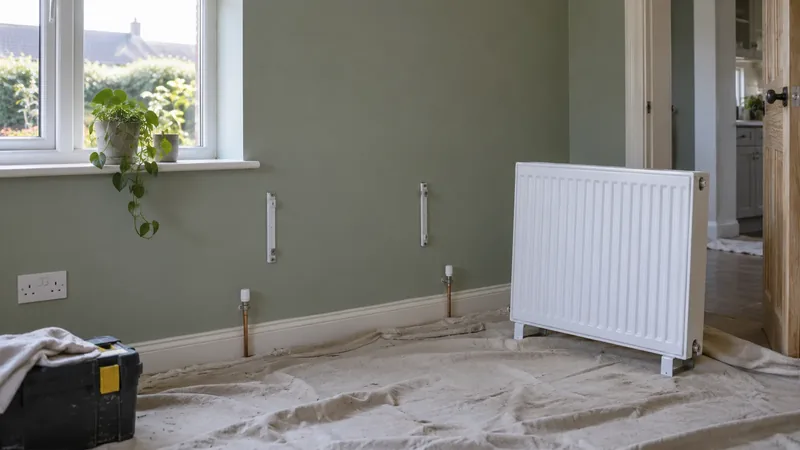
A power flush before fitting clears the sludge that shortens a new boiler's life and drags efficiency down, so budget €200 to €400 on an older system. If a radiator stays cold after a new boiler goes in, see our radiator replacement guide.
What a New Boiler Costs in 2026
Boiler installation in Ireland costs €2,200 to €4,500 fitted in 2026 for a like-for-like replacement, with labour and VAT included. A straightforward combi swap sits at the low end, while a regular-to-combi conversion or a new oil boiler sits at the top. The figures below are indicative budgeting ranges, not a quote.
| Job | Typical cost | Notes |
|---|---|---|
| Combi boiler, supply and fit | €2,200–3,200 | Like-for-like swap |
| System boiler, with cylinder | €2,800–4,000 | Larger homes |
| Regular heat-only boiler | €2,200–3,200 | Existing layout kept |
| Oil boiler, supply and fit | €3,000–4,500 | Off-grid homes |
| Fit only, you supply the boiler | €600–900 | Labour only |
| Annual boiler service | €80–120 | Keeps the warranty valid |
Two things move the price beyond the boiler itself. Switching boiler type, such as a regular-to-combi conversion, can add €600 to €1,200 in pipework, and Dublin and the commuter belt typically carry a 10 to 15 per cent premium over rural counties. Get three written quotes, each naming the exact boiler model. For the full picture, see our boiler installation costs.
Warranty and Servicing
A new boiler is a big spend, so it should come with the paperwork to match. A registered installer, a Declaration of Conformance and a warranty backed by an annual service are what separate a proper install from a cheap one.
Register the warranty on the day
The boiler warranty is registered with the manufacturer when the unit goes in. Most warranties then depend on an annual service to stay valid, so keep the service record with the paperwork.
Budget for the annual service
An annual boiler service costs €80 to €120 in Ireland in 2026. Servicing every twelve months is required by most manufacturers to keep the warranty valid, and it confirms the boiler still meets gas safety requirements.
Get the completion certificate
Do not make the final payment until you have the Certificate of Completion, also called the Declaration of Conformance. It is your legal proof that a registered installer did the work, and you will need it when you sell.
RGI, OFTEC and What the Law Requires
Who you hire is not a matter of preference. A boiler running on natural gas or LPG must be installed by an RGI-registered gas installer. That is a legal requirement under the Energy (Miscellaneous Provisions) Act 2006, and an unregistered person cannot issue the Declaration of Conformance that certifies the work.
Oil is different
Oil work sits outside the gas registration scheme, so for an oil boiler look for an installer holding OFTEC oil-firing certification rather than RGI. Ask any installer to confirm which fuel they are certified for before you book, because gas and oil competence are not interchangeable.
SEAI grants
Standard gas combi replacements do not qualify for a direct SEAI grant. Grants are available for heat pump installation, up to €12,500, and solar water heating at €1,200, and the work must be carried out by an SEAI-registered contractor before any grant is claimed. See our SEAI grants guide for what qualifies.
- RGI registration is required by law for all gas boiler work
- An unregistered installer cannot issue the Declaration of Conformance
- Oil boilers need OFTEC certification, not RGI
- Confirm which fuel your installer is certified for before booking
You can verify any RGI number on the public register at rgi.ie. To find a registered engineer near you, browse our gas installers.
Key takeaways
- A combi suits smaller homes with one or two bathrooms, a system boiler suits larger homes with a cylinder, and an oil boiler suits homes off the gas grid.
- Fitted prices in 2026 start from €2,200 for a combi or regular boiler, €2,800 for a system boiler and €3,000 for an oil boiler.
- Any gas boiler must be installed by an RGI-registered engineer by law, while an oil boiler needs an OFTEC-certified installer.
- Size the boiler to your home and hot-water demand, not to the biggest unit, as an oversized boiler cycles and runs less efficiently.
- Standard gas combi swaps do not attract an SEAI grant, but a heat pump does, up to €12,500.