
Blocked drains cleared · Ireland
Drain Unblocking in Ireland: Cost, Methods and Local Plumbers
A blocked sink, toilet, gully or main drain, with county-by-county guidance on what unblocking costs, how the job is done, when a blockage means a repair, and how to choose a reliable drainage plumber.
The short version
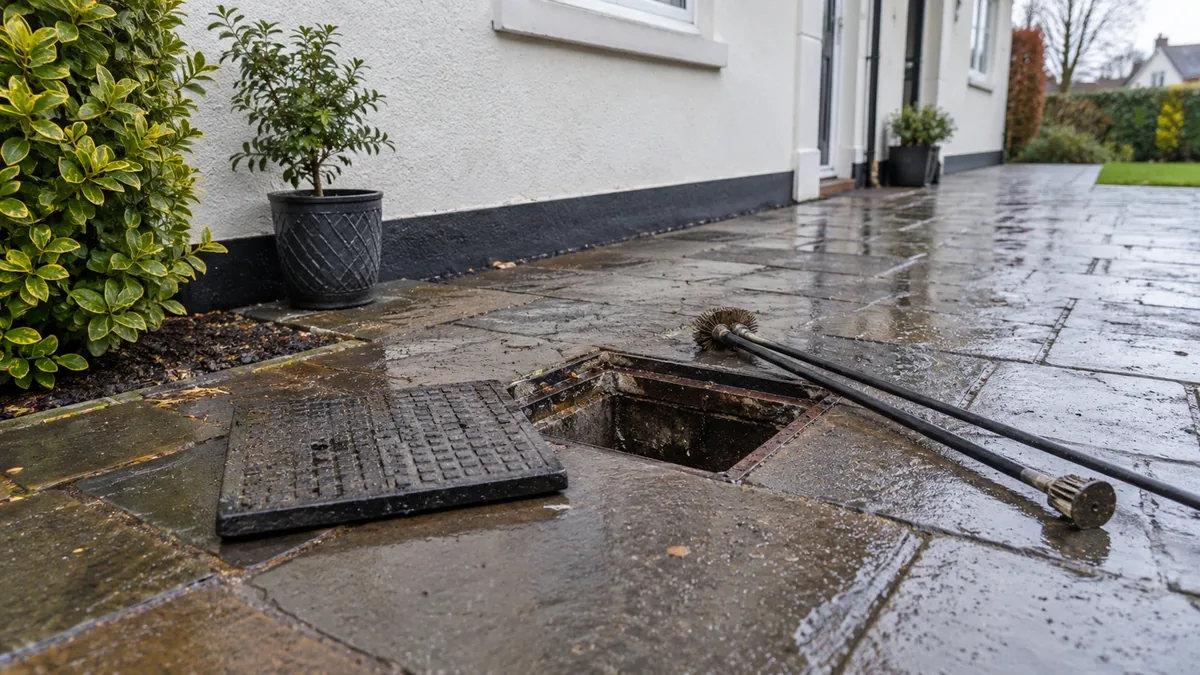
Drain unblocking in Ireland costs €80 to €200 for a standard call-out in 2026, with most sink, toilet and gully blockages cleared inside an hour. A recurring or main-line blockage may need drain jetting (€150 to €400) or a CCTV survey (€150 to €350) to find the cause. Whether you are in a Dublin terrace or a rural Galway bungalow, choose your county below for local plumbers, or read on for the 2026 prices and how the job works.
Most blocked drains come down to the same handful of causes: fat, grease and food waste in the kitchen line, wet wipes and sanitary items in the toilet soil pipe, leaves and silt in the outside gully, or tree roots working into an older clay drain. A plumber will clear the immediate blockage first, then, if it keeps coming back, look for the reason behind it so you are not paying for the same call-out twice.
The causes
Why Drains Block in Irish Homes
Most household blockages come from a slow build-up rather than a single event. In the kitchen it is cooking fat, grease and food waste that cools and hardens along the pipe. In the bathroom it is hair, soap and, most often, wet wipes and sanitary items that do not break down the way toilet paper does, despite what the packaging claims.
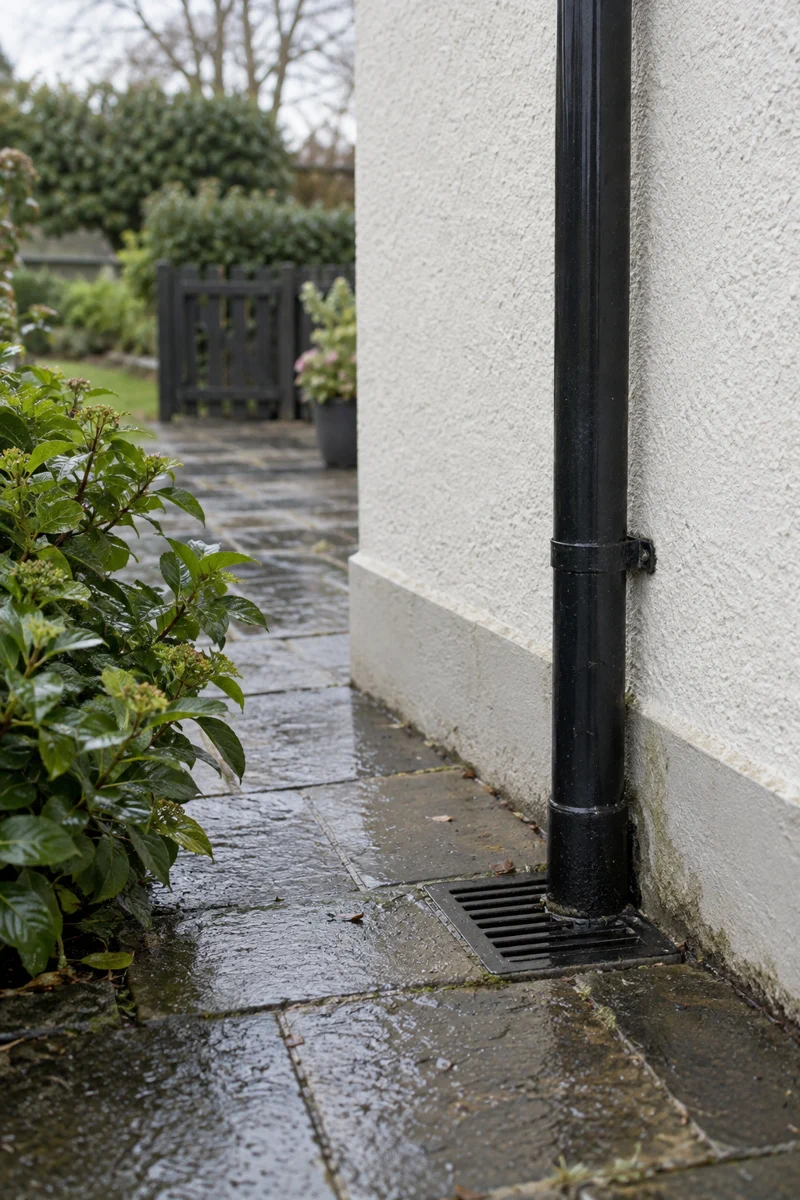
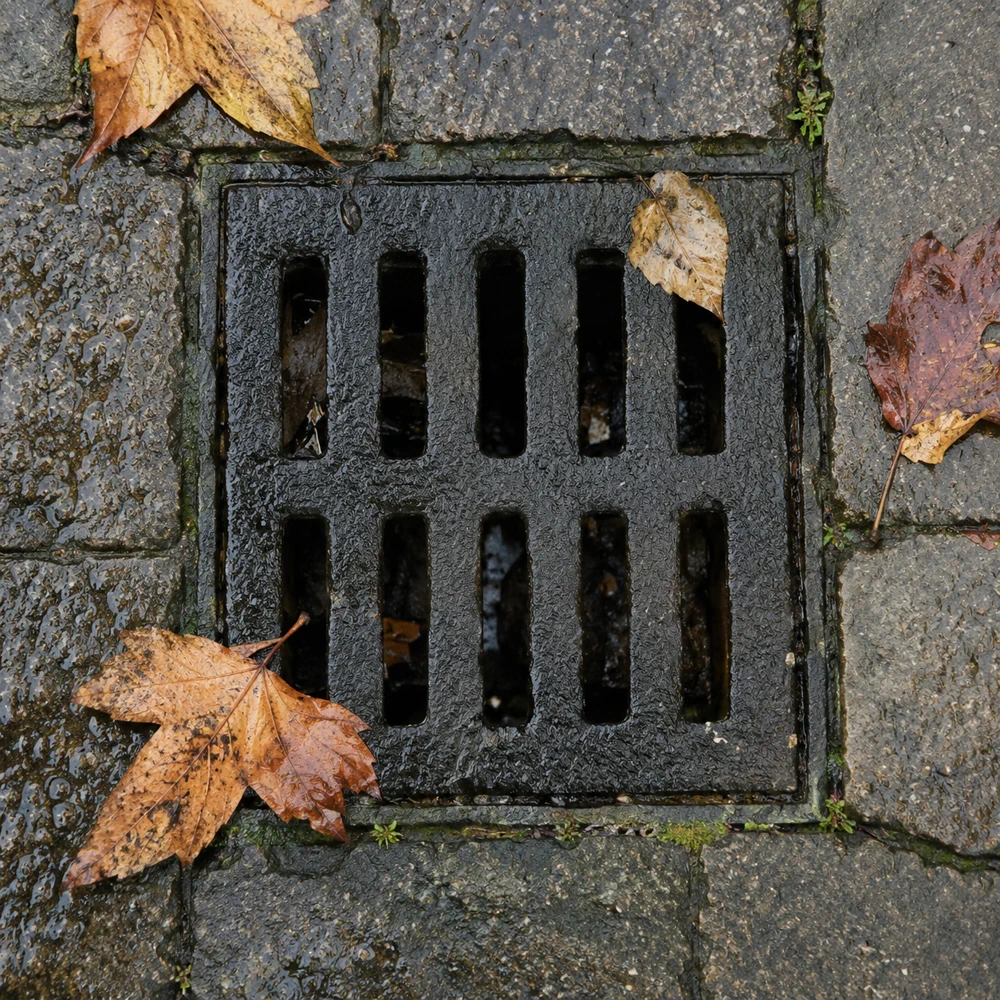
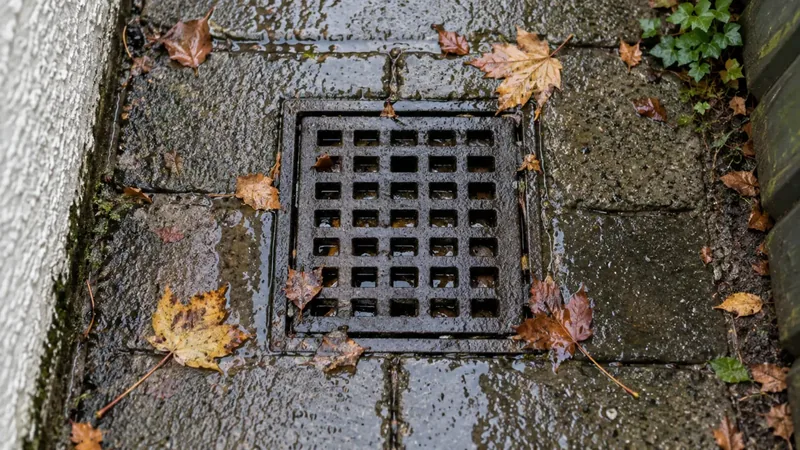
Outside, the culprit is usually leaves, moss and silt washing into an open gully, or tree roots finding their way into the joints of an older clay drain. Knowing which of these you are dealing with is the difference between a quick clear and a blockage that keeps coming back.
- Fat, grease and food waste in the kitchen line
- Wet wipes and sanitary items in the toilet soil pipe
- Leaves, silt and tree roots in outside drains
The warning signs
Signs of a Blocked Drain in Your Home
A drain rarely blocks without warning. Catching the early signs means a quick clear rather than an overflow or a backed-up toilet, so it pays to act on the first of these an Irish plumber sees most.
Slow Draining Sinks and Baths
Water that sits and drains away slowly is the first sign of a partial blockage building in the waste pipe.
Gurgling Sounds From Drains
A gurgle from the plughole or toilet when water runs elsewhere means air is trapped behind a blockage.
Bad Smells From Plugholes
Foul or drain-like smells rising from a sink, shower or outside gully point to trapped waste that needs clearing.
Overflowing Outside Gully
Water pooling around or spilling over the outside gully means the drain below it cannot take the flow.
Damp or Water Marks
Damp patches near ground level or around a drain chamber can point to a blockage forcing water out of the pipe.
Recurring Blockages
A drain that blocks again weeks after being cleared usually has an underlying fault, such as roots or a broken pipe.
The methods
How Drains Are Unblocked in Ireland
From a simple plunge to a full excavation, the right method depends on where the blockage is and what is causing it. Here is what each approach does and roughly what it costs.
Plunging and Rodding
The first line of attack for most blockages. A plunger clears sink and toilet traps, while drain rods push through a blockage in the underground run from a chamber. Fast, low-cost and enough for the majority of everyday blockages.
from€80
High-Pressure Drain Jetting
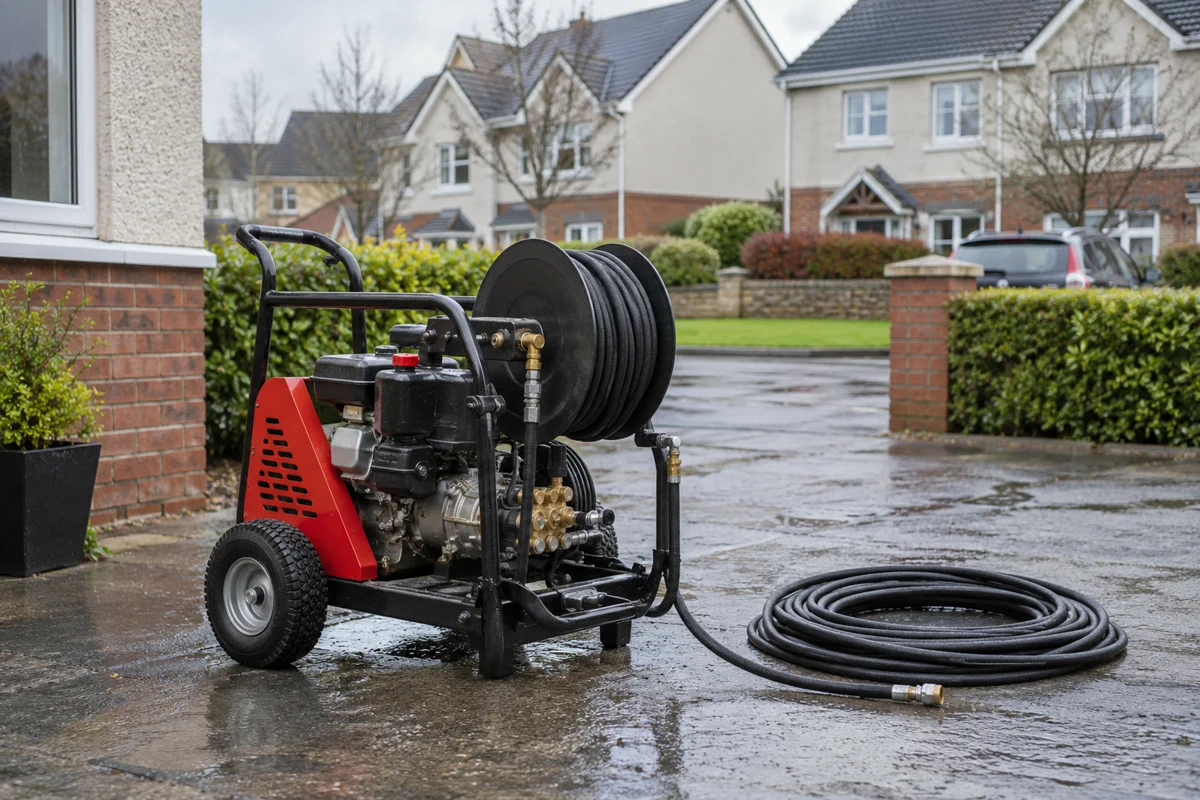
A high-pressure water jet scours the full bore of the pipe, cutting through fat, grease, silt and fine root growth that rodding cannot shift. The go-to method for a recurring blockage or a heavily fouled main drain.
from€150
CCTV Drain Survey
A camera on a flexible rod is fed through the drain to find the exact cause and location of a blockage or fault. Essential before any excavation, and the report is useful when buying a house or making an insurance claim.
from€150
Excavation and Repair
Where a drain is cracked, collapsed or root-damaged, the affected section is dug up and replaced or relined. The most involved option, usually confirmed by a CCTV survey first and priced per job.
from€500
2026 prices
How Much Does Drain Unblocking Cost in Ireland?
Drain unblocking in Ireland costs €80 to €200 for a standard call-out in 2026, with labour and VAT included. A quick sink or toilet clear sits at the low end, while a main-line blockage needing jetting, or an out-of-hours emergency, sits higher.
- Ask whether the call-out fee is included in the clearance price
- A recurring blockage is worth a CCTV survey to find the cause
- Out-of-hours and weekend call-outs carry a premium
Every drain is different. Your plumber will price the job on where the blockage is, what it takes to clear it and your county, so treat the figures on the right as a budgeting guide, not a quote.
- Standard drain unblocking call-out €80–200
- Blocked toilet or sink, cleared €90–180
- Emergency or out-of-hours call-out €150–300
- CCTV drain survey with report €150–350
- High-pressure drain jetting €150–400
- Drain excavation and repair, from €500+
Indicative ranges only. Always confirm with a written quote.
What Affects the Price of Drain Unblocking
Where the Blockage Is
A sink trap is a quick clear, while a blockage deep in the main run to the sewer takes longer to reach and costs more.
Time of Call-Out
Evening, weekend and bank holiday call-outs carry a premium over a booked daytime visit, sometimes 50 per cent or more.
Method Needed
Rodding is the cheapest option. If the plumber has to bring in jetting gear or a survey camera, the price rises with the equipment used.
Your County
Dublin and the commuter belt typically carry a 10 to 15 per cent premium over rural counties, down to demand and travel time.
Finding the cause
Getting to the Root Cause With a CCTV Survey
When a drain blocks again soon after it was cleared, clearing it a second time is money wasted. A CCTV drain survey feeds a camera through the pipe so the plumber can see exactly what is going on: a build-up of grease, roots pushing through a joint, a bellied section holding water, or a cracked or collapsed pipe.
The survey pinpoints both the fault and its location, so any repair is targeted rather than guesswork. The recorded report is also worth having when you are buying a house, settling who is responsible for a shared drain, or making an insurance claim.
On the day
How a Drain Unblocking Job Works
A standard blockage is a same-visit job. Here is how a drainage plumber works through it, from finding the blockage to leaving the drain running clear.
Locate the Blockage
The plumber checks the affected fittings and lifts the nearest drain chamber to work out where the blockage sits in the system.
Choose the Right Method
Based on the location and likely cause, they decide whether a plunge, rods or high-pressure jetting is the fastest way to clear it.
Clear the Blockage
The blockage is broken up and flushed through, whether that is a trap under a sink or a build-up deep in the underground run.
Flush and Test the Flow
Water is run through to confirm the drain is flowing freely again and that the blockage has cleared, not just shifted along.
Check for an Underlying Cause
On a recurring blockage, the plumber will flag whether a CCTV survey is worth doing to find roots, a collapse or a fault.
Advise and Confirm the Price
You get the drain left clear, a quick word on avoiding a repeat, and the agreed price with the work itemised on the invoice.
When it is a repair
When a Blockage Means a Repair, Not Just a Clear
Sometimes a blockage is a symptom rather than the problem. A drain that collapses, cracks or is pulled out of line by roots will keep catching debris no matter how often it is rodded, and the only lasting fix is to repair the pipe itself.
Depending on the fault, that can mean excavating and replacing a short section, or relining the pipe from the inside without a full dig. A CCTV survey usually comes first to confirm the extent, and any reputable plumber will explain why a repair is the cheaper route once a drain keeps failing.
- Repeated blockages despite regular clearing
- Roots, cracks or a collapse confirmed on camera
- Repair or reline the pipe rather than clear it again
Hiring
How to Choose a Drain Unblocking Plumber
Drain work is not gas work, so there is no single register to check, but a good drainage plumber is still easy to vet. These are the four things worth confirming before you book.
Confirm the Call-Out Fee
Ask upfront whether there is a call-out charge and whether it is included in the clearance price or added on top, so the bill holds no surprises.
Check They Are Insured
Public liability insurance matters for drain work, especially where jetting or excavation could affect your property or a neighbour.
Ask About Equipment
A plumber who carries rods, jetting gear and a survey camera can handle a stubborn blockage in one visit rather than sending you elsewhere.
Get the Price in Writing
For anything beyond a simple clear, get the price in writing before work starts, with jetting, surveys and any repair itemised separately.
Local coverage
Drain Unblocking by County in Ireland
How fast a plumber can reach you, and what a blocked drain tends to be caused by, comes down to where you live. Choose your county for local 2026 prices and drainage plumbers.
Leinster
12 countiesOlder Dublin, Meath and Kildare housing stock runs on clay and cast-iron drains that roots and grease block readily, while dense terraces often share a single run, so a fast local call-out matters most here.
Munster
6 countiesFrom Cork and Limerick suburbs to rural Kerry and Tipperary, heavy rain overwhelms outside gullies and silt-laden runs, and older country properties on private drains and septic systems see more root and collapse issues.
Connacht
5 countiesExposed Atlantic weather across Galway, Mayo and Sligo drives leaves and silt into open gullies, and scattered rural homes on long private drain runs mean jetting and CCTV surveys are often the practical choice.
Common questions
Drain Unblocking Questions From Irish Homeowners
How much does it cost to unblock a drain in Ireland in 2026?
A standard drain unblocking call-out costs €80 to €200 in Ireland in 2026, including labour and VAT. A simple blocked sink or toilet sits at the low end, while a main-line blockage needing high-pressure jetting runs €150 to €400. Out-of-hours and weekend call-outs carry a premium.
Why does my drain keep blocking again after being cleared?
A drain that blocks again soon after clearing usually has an underlying cause, most often tree roots growing into an older clay pipe, a bellied or cracked section holding water, or a build-up of fat and grease. A CCTV drain survey, costing €150 to €350, films the pipe to find the exact fault so it can be fixed rather than repeatedly cleared.
What is a CCTV drain survey and do I need one?
A CCTV drain survey feeds a small camera through the drain to find the cause and exact location of a blockage or fault. You need one for a recurring blockage, before any excavation, or when buying a house with drainage concerns. It typically costs €150 to €350 and comes with a recorded report useful for insurance or shared-drain disputes.
Can I unblock a drain myself before calling a plumber?
For a slow sink or a mildly blocked toilet, a plunger, a drain snake or hot water with washing-up liquid often clears it. Avoid strong chemical drain cleaners on older pipes, as they can damage them. If the blockage is in the outside drain, affects more than one fitting, or keeps returning, it is a job for a plumber with rods or jetting gear.
What is the difference between drain rodding and drain jetting?
Rodding pushes a set of flexible rods through the drain to break up or shift a blockage, and is enough for most everyday cases. High-pressure jetting uses a water jet to scour the full bore of the pipe, cutting through fat, silt and fine root growth that rodding leaves behind. Jetting costs more but is the better choice for a recurring or heavily fouled main drain.
Who is responsible for a blocked drain, me or the council?
You are responsible for the drains within your property boundary, up to the point they connect to the public sewer. Uisce Eireann, formerly Irish Water, is responsible for the public sewer beyond that. For a shared drain serving several properties, responsibility is usually shared, which is where a CCTV survey pinpointing the blockage location helps settle who pays.
How long does it take to unblock a drain?
Most sink, toilet and gully blockages are cleared in 30 to 90 minutes on a single visit. A main-line blockage needing jetting can take a couple of hours. Where a CCTV survey finds a broken or collapsed pipe, the repair is a separate, longer job, usually scheduled after the survey confirms the extent of the work.
Should I flush wet wipes labelled flushable down the toilet?
No. Even wipes labelled flushable do not break down the way toilet paper does, and they are one of the most common causes of blocked soil pipes and pump failures in Irish homes. Bin all wipes, sanitary items and kitchen roll, and pour cooled cooking fat into a container for the bin rather than down the sink.
Find a Drain Unblocking Plumber Near You
Blocked drain quotes from local plumbers in every county. Contact them directly, no fees, no sign-up.
Browse plumbers by county