Flue Relocation
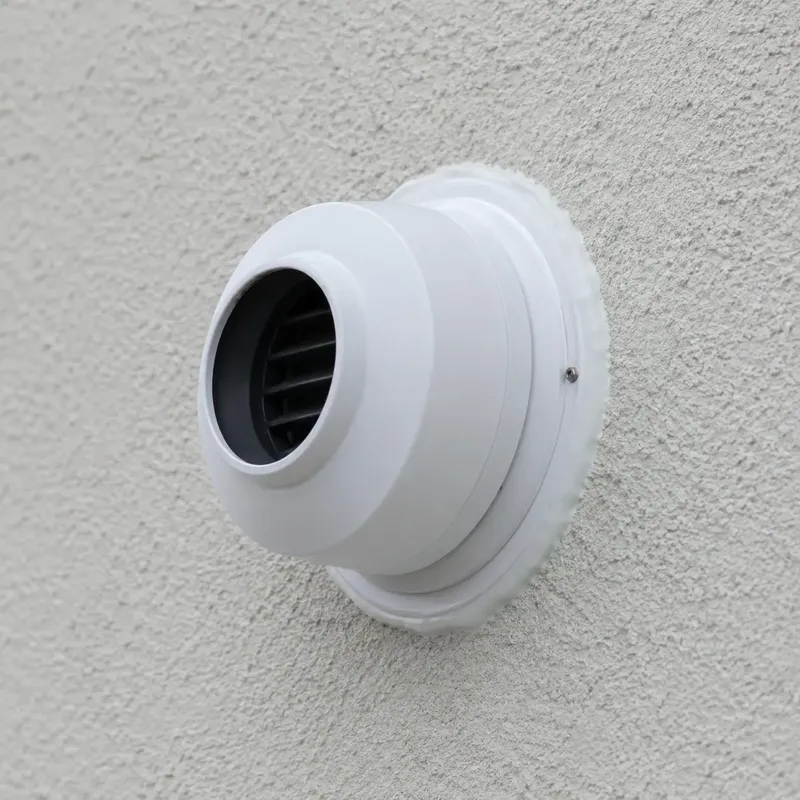
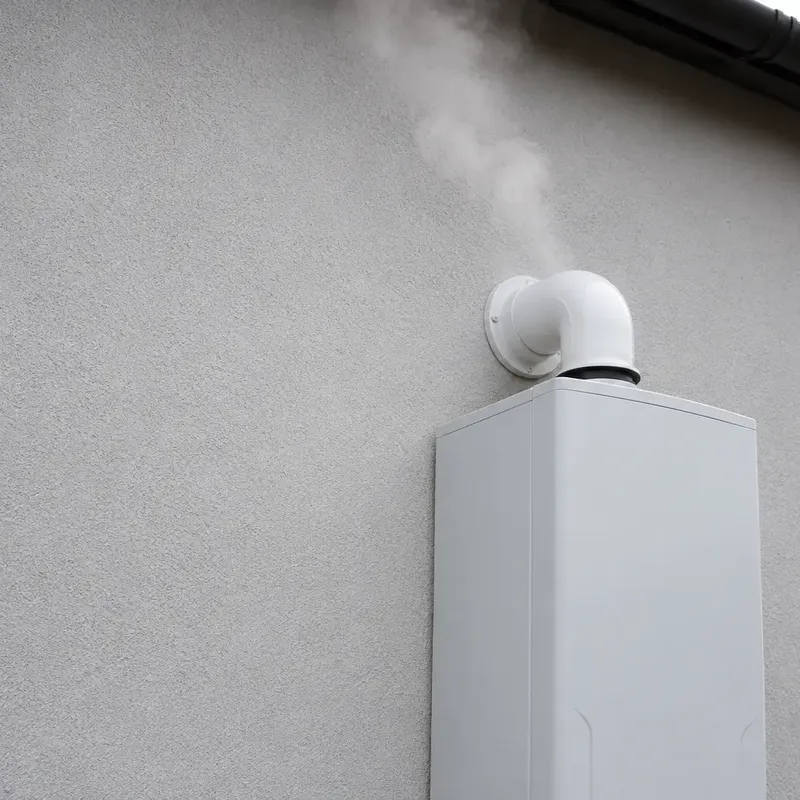
Moving the flue outlet to a new spot on an external wall adds labour and materials to what would otherwise be a straightforward job.

RGI-registered engineers · Ireland
Boiler installation and fitting in Ireland: what a new combi, system, oil or heat-only boiler typically costs, which type suits your home, and how to choose an RGI-registered engineer.
The short version
Boiler installation in Ireland costs €2,200 to €4,500 fitted in 2026, depending on the boiler type and your home. By law, any gas boiler must be installed by an RGI-registered engineer, and the register covers all 26 counties. Choose your county below for local prices and engineers, or read on for the boiler types, the 2026 costs, and what happens on installation day.
Whether you are swapping a tired combi in a Dublin terrace, moving an old back boiler onto a modern system, or replacing an oil boiler in rural Mayo, the same three things decide the job: the boiler type your home is plumbed for, whether you are staying like-for-like or changing system, and who you hire. Get those right and a new boiler is a clean one or two-day job with a warranty behind it.
Peace of mind
A new boiler is a big spend, so it should come with the paperwork to match. A registered installer should provide a Declaration of Conformance, and it is worth checking the manufacturer’s warranty terms before you sign off.
Ask about both before the job starts, so there are no surprises once the boiler is on the wall.
When to replace
A boiler rarely fails overnight. If yours is over twelve years old, needs repairs every winter, or costs more to run each year, a new boiler is usually cheaper long-term than another repair. These are the signs Irish plumbers see most.
Most boilers last twelve to fifteen years. Past that, parts get harder to source and efficiency falls away.
An older non-condensing boiler can run at 70 per cent efficiency or less, so you pay more for the same heat.
Two or more call-outs in a winter usually means the next repair is money better spent on a new boiler.
Rumbling, banging or whistling points to sludge or scale, and often a boiler near the end of its life.
Radiators slow to warm, or hot at the top and cold at the bottom, point to a struggling system.
Repeated lockouts, a boiler that keeps cutting out, or a yellow flame should be checked by an RGI engineer straight away.
The law
A boiler running on natural gas or LPG, whether a straight combi swap in a Dublin terrace or a replacement in a rural bungalow, must be installed by an RGI-registered gas installer. Under Irish gas safety law, gas work must be done by an RGI-registered installer (see rgi.ie), and it is the registered installer who issues the Declaration of Conformance for the work.
Oil boilers are different. Oil work sits outside the gas registration scheme, so look instead for an installer holding OFTEC oil-firing certification. Ask any installer to confirm which fuel they are certified for before you book, because gas and oil competence are not interchangeable.
A like-for-like combi swap takes one working day. Switching boiler type takes two days, while heat pumps take two to three.
SEAI offers grants for heat pumps and solar water heating through SEAI-registered contractors. Amounts change, so check the current figures on seai.ie.
Oil work sits outside the gas scheme, so for an oil boiler look for an OFTEC-certified installer rather than RGI.
A registered installer should provide a Declaration of Conformance for a gas boiler install. See rgi.ie for what it covers.
The options
Combi, system, regular heat-only or oil: each suits a different home and carries a different installed price. Here is what sets them apart before you get a quote.
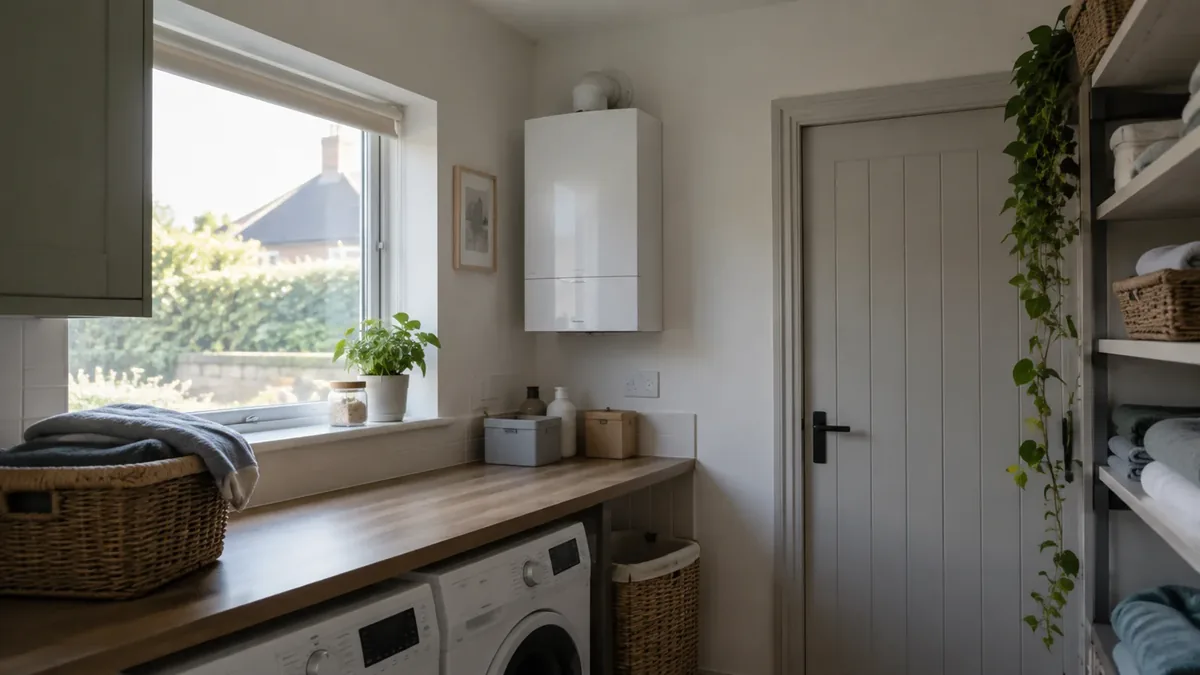
Heats water on demand straight from the mains, with no cylinder or attic tank. The most popular choice in Irish homes built from the 1990s on, suited to houses and apartments under about 130 square metres with one or two bathrooms.
from€2,200
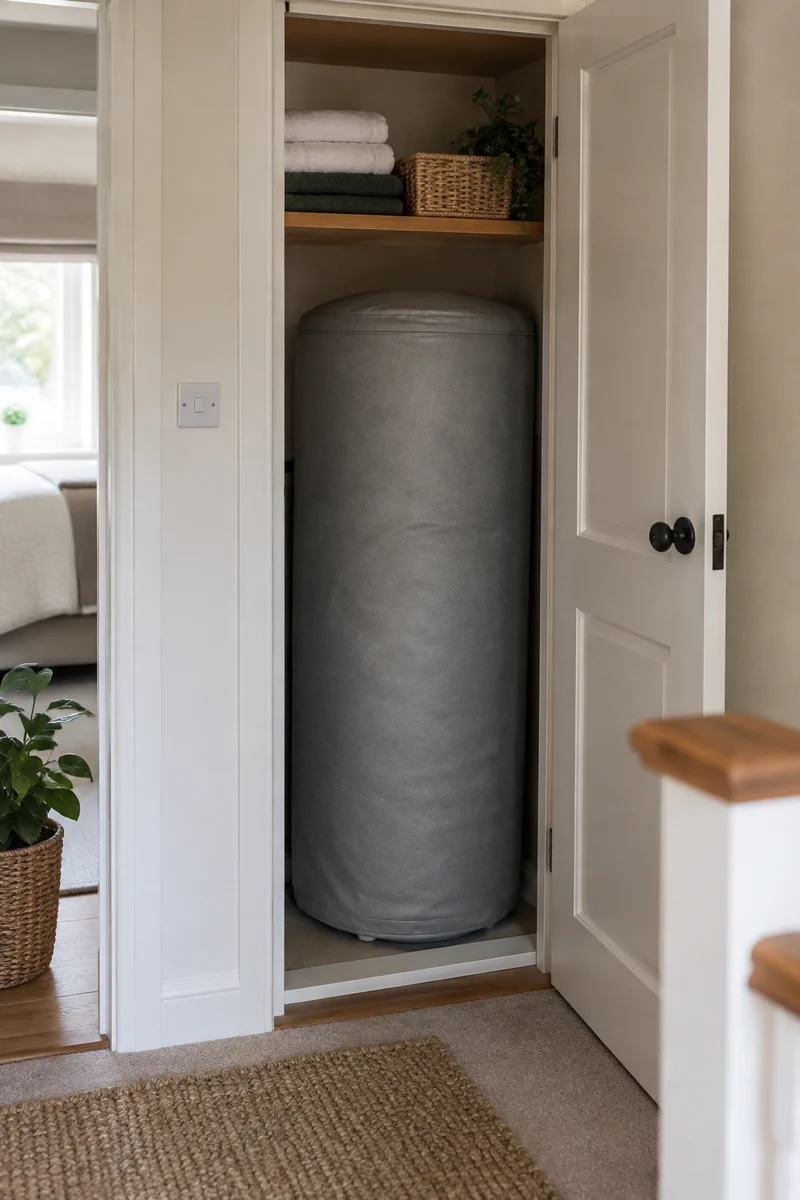
Works with a hot water cylinder but no cold tank in the attic, feeding pressure straight from the mains. Suits larger homes with several bathrooms and higher hot water demand, and pairs well with solar water heating.
from€2,800
Needs both a hot water cylinder and a cold water feed tank in the attic. Most common in older homes built before the 1980s, where a like-for-like swap keeps the existing pipework layout intact.
from€2,200
For homes off the gas network, common across rural Munster, Connacht and the border counties. Modern condensing oil boilers run at over 90% efficiency, and SEAI grants apply when you switch to a heat pump or solar thermal system.
from€3,000
2026 prices
Boiler installation in Ireland costs €2,200 to €4,500 fitted in 2026 for a like-for-like replacement, with labour and VAT included. A straightforward combi swap sits at the low end, while a regular-to-combi conversion or a new oil boiler sits at the top.
Every home is different. Your installer will price the job on the boiler, the pipework and your county, so treat the figures on the right as a budgeting guide, not a quote.
Indicative ranges only. Always confirm with a written quote.
Moving the flue outlet to a new spot on an external wall adds labour and materials to what would otherwise be a straightforward job.
Going from a regular boiler to a combi means removing the attic tank and cylinder and rerouting pipework, which can add €600 to €1,200.
A power flush before fitting clears the sludge that shortens a new boiler’s life. Budget €200 to €400, especially on an older system.
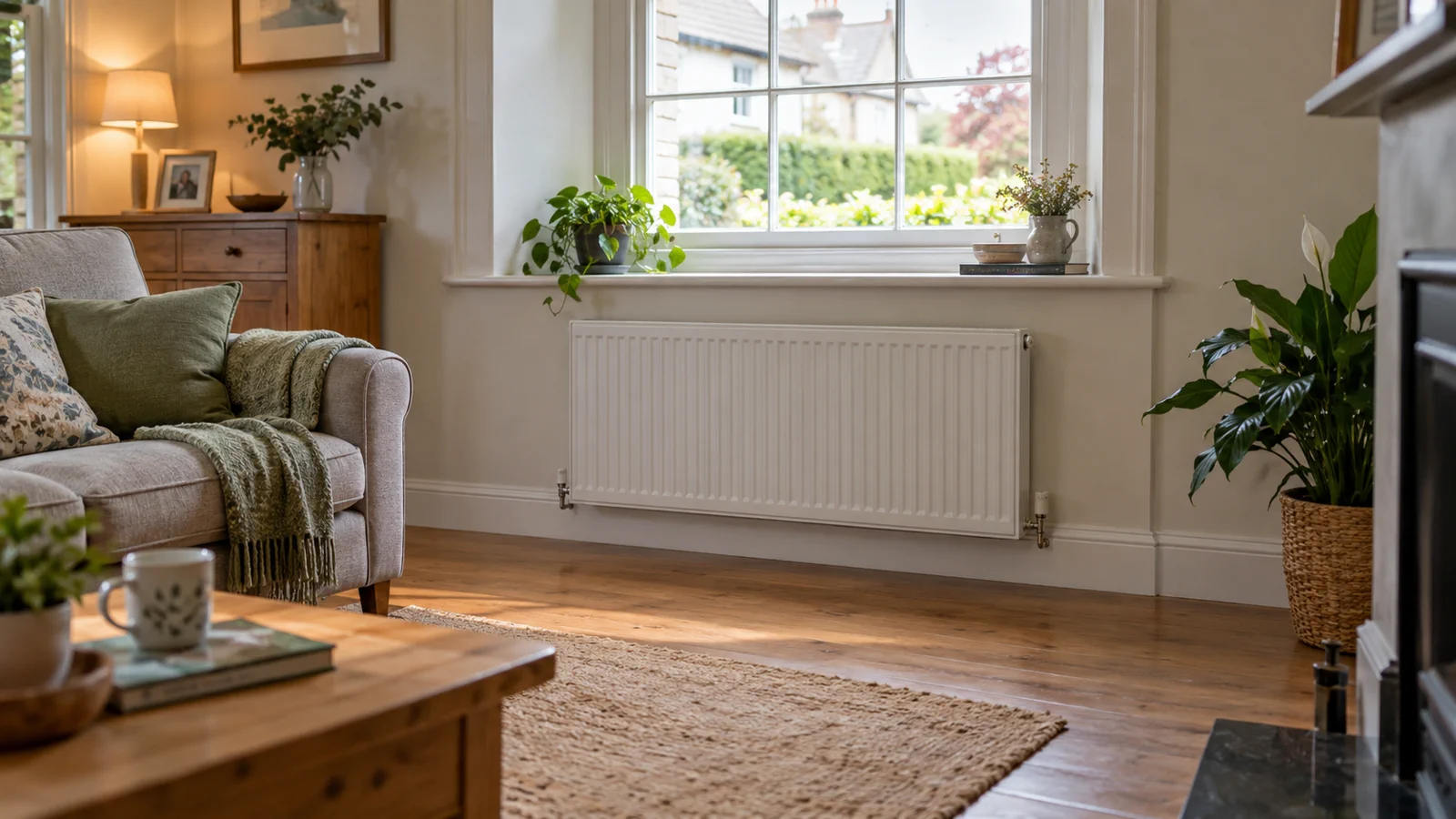
Dublin and the commuter belt typically carry a 10 to 15 per cent premium over rural counties, down to demand and travel time.
Combi, system, regular heat-only and oil each suit a different home and carry a different installed price, so the type your home is plumbed for is the first thing that sets the cost.
The right size comes down to how many bathrooms you have, your hot water demand and the layout your home is already plumbed for. A bigger boiler is not a better boiler.
Gas boilers must be installed by an RGI-registered gas installer. Oil work sits outside the gas scheme, so look for an OFTEC-certified installer for an oil boiler.
Most manufacturers ask for a service every twelve months to keep the warranty valid. An annual boiler service costs €80 to €120 in Ireland in 2026.
SEAI grants
SEAI offers grants for heat pump installation and solar water heating. Standard gas combi replacements have not generally qualified for a direct grant, and grant work must be carried out by an SEAI-registered contractor. Amounts and eligibility change, so check the current figures and rules on seai.ie before you book.
See SEAI-registered plumbersOn the day
Many like-for-like combi replacements can be completed in a day, though timing depends on your home and your installer. Here is how an RGI-registered engineer works through it, from isolating the supply to handing you the paperwork.
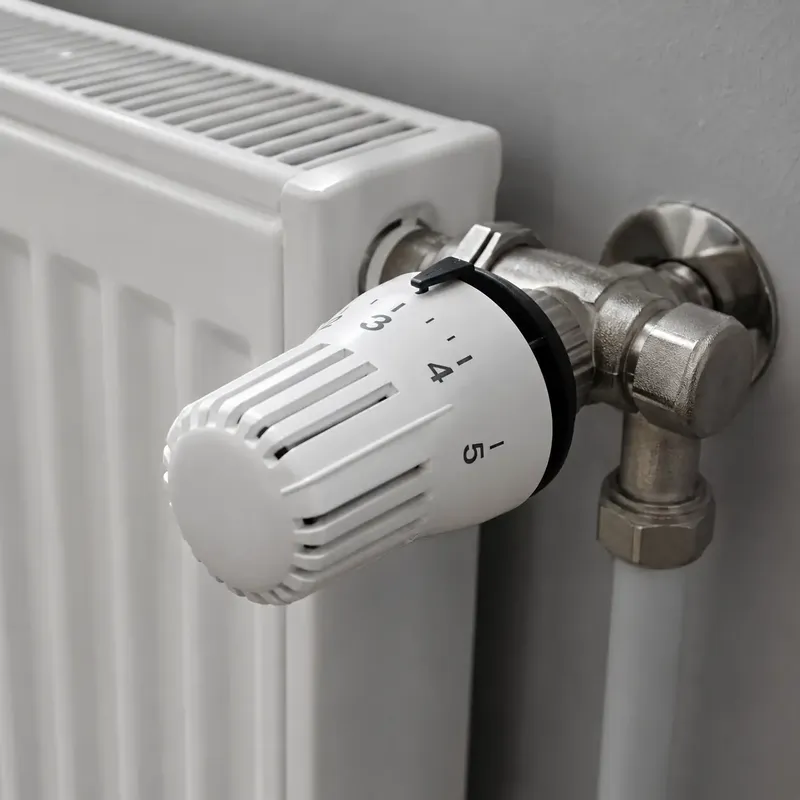
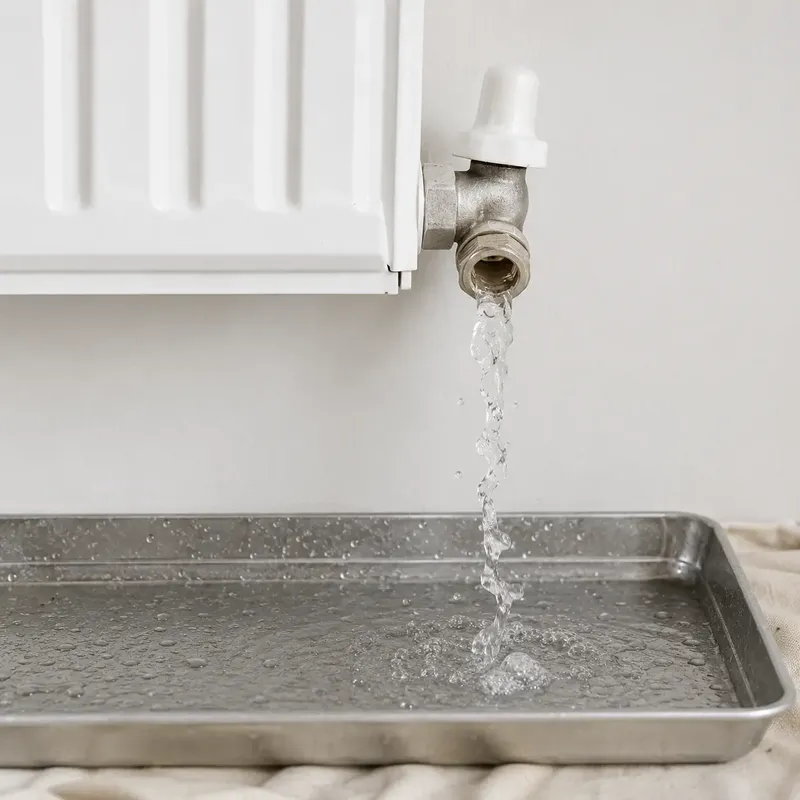
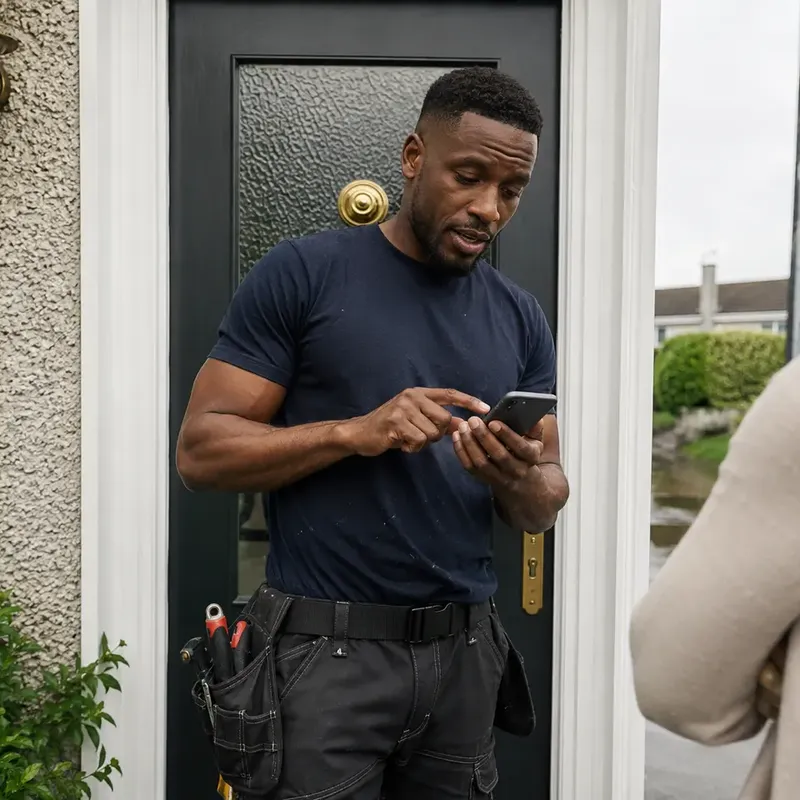
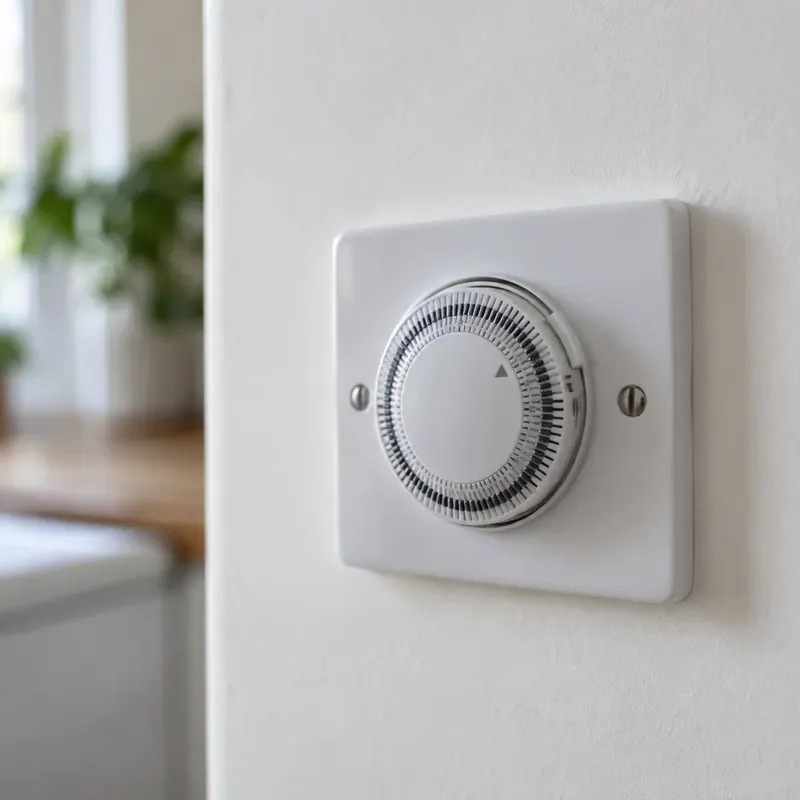
The installer shuts off and isolates the gas and water supply before the old unit is touched, so the work starts safe.
The old boiler comes off the wall, and any redundant tank, cylinder or pipework is dealt with where the system is changing type.
The new boiler is mounted and connected, the flue fitted or reused, and the pipework adjusted to suit the new unit.
The installer fires the boiler, balances the system and runs a flue gas analysis to confirm safe, clean combustion.
Your RGI installer should hand you a Declaration of Conformance for the work. Ask for it before you make the final payment, and see rgi.ie or the CRU for what it must cover.
The boiler warranty is registered with the manufacturer. Most then depend on an annual service to stay valid, so keep the service record with it.
Hiring
Under Irish law, gas work must be done by an RGI-registered installer (rgi.ie), so start there. Beyond the legal minimum, a good quote is specific and a good installer is easy to check.
Confirm the installer is on the public Register of Gas Installers of Ireland. Gas installers listed here are drawn from the RGI public register, and you should check any number at rgi.ie before work starts.
Each quote should name the exact boiler model, the labour, the flue materials and any pipework changes. A quote with no named boiler is incomplete.
RGI and SEAI are separate registers. If you are claiming a grant, your installer must be on both before any grant-funded work begins.
Ask for the Declaration of Conformance before making the final payment, and keep it safe, as a buyer may ask for it when you sell.
Local coverage
What you pay, whether your home runs on gas or oil, and how fast an engineer can reach you all come down to where you live. Choose your county for local 2026 prices and RGI-registered installers.
Most of Leinster is on the natural gas grid, so gas combi and system boilers are the common choice, from Dublin terraces swapping out back boilers to new builds across the Meath, Kildare and Wicklow commuter belt.
Cork and Limerick cities sit on the gas network, but much of rural Munster, Kerry and west Cork included, is off-grid on oil or LPG. Oil boiler replacements and oil-to-heat-pump upgrades make up much of the work.
Natural gas barely reaches the west, so Galway, Mayo and the surrounding counties rely on oil, LPG and solid fuel. Exposed Atlantic weather and older rural homes mean steady demand for efficient boiler replacements.
Common questions
A combi boiler supply and fit costs €2,200 to €3,200 in 2026 for a like-for-like replacement. Switching from a back boiler or regular system adds €600 to €1,200 for the pipework changes. These figures include labour and VAT.
A combi runs €2,200 to €3,200 fitted, a system boiler €2,800 to €4,000 with a cylinder, a regular heat-only replacement €2,200 to €3,200, and an oil boiler €3,000 to €4,500. Brand, county and pipework changes move the final price.
Yes. Under Irish law, gas boiler installation must be done by an RGI-registered installer (rgi.ie). Check your home insurance and BER terms with your provider if you have questions about how the work is treated.
A combi heats water on demand with no cylinder or attic tank. A system boiler stores hot water in a cylinder but needs no attic tank. A regular, or heat-only, boiler needs both a cylinder and a cold water tank in the attic, and is typical in older Irish homes.
A like-for-like combi boiler replacement takes one working day. Switching boiler type takes two days. Heat pump installations take two to three days and may need extra work on your radiators and heating system.
SEAI offers grants for heat pump installation and solar water heating, but standard gas combi replacements have not generally qualified for a direct grant. Insulation upgrades may qualify separately. Check the current amounts and eligibility on seai.ie.
Most installers recommend a power flush or chemical clean before fitting, especially on an older system. Sludge in old radiators shortens a new boiler’s life and can void the warranty, so budget €200 to €400 for it.
An annual boiler service typically costs around €80 to €120 in Ireland, as a rough guide, and prices vary by installer and county. Many manufacturers ask for regular servicing, so check your warranty terms.
Keep reading
Boiler installation quotes from RGI-registered gas engineers in every county. Contact them directly, no fees, no sign-up.