
Rainwater and drainage · Ireland
Gutter and Drainage in Ireland: Cost, Repair and Cleaning
Gutter cleaning, repairs, full replacement, downpipes and outside drainage, with county-by-county guidance on what each job costs in 2026, the signs your gutters need attention, and how to choose a plumber for the work.
The short version
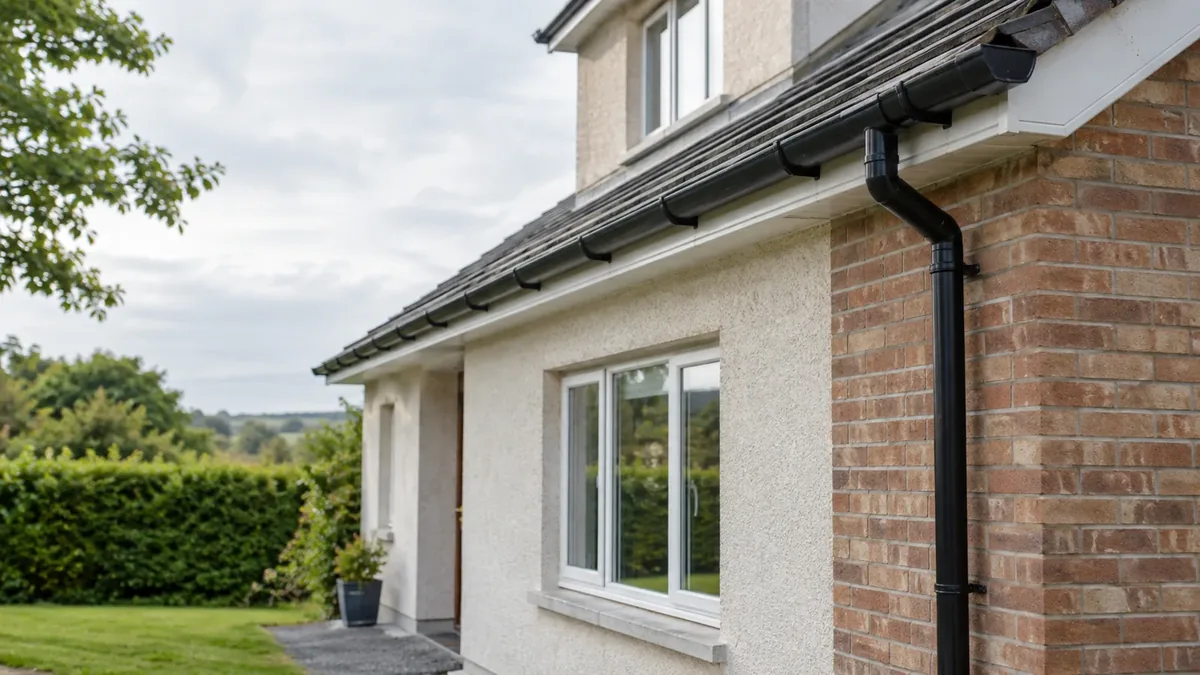
Gutter and drainage work in Ireland ranges from €80 to €200 for a clean, €100 to €300 for a repair, and €400 to €1,200 for a full gutter replacement in 2026. With the rain and wind Ireland gets year round, gutters that are blocked or failing are one of the most common causes of damp and wall staining. Choose your county below for local prices, or read on for the costs and what each job involves.
Whether it is an overflowing gutter on a Dublin terrace, a sagging run on an exposed bungalow in the west, or a downpipe that no longer feeds its gully, the same few things decide the job: how much of the guttering is affected, the material, and how easy the run is to reach. Catch it early and a clean or a joint repair keeps water off the walls. Leave it, and you are often into a full replacement plus the damp it caused.
Why it matters here
Why Irish Weather Is Hard on Gutters
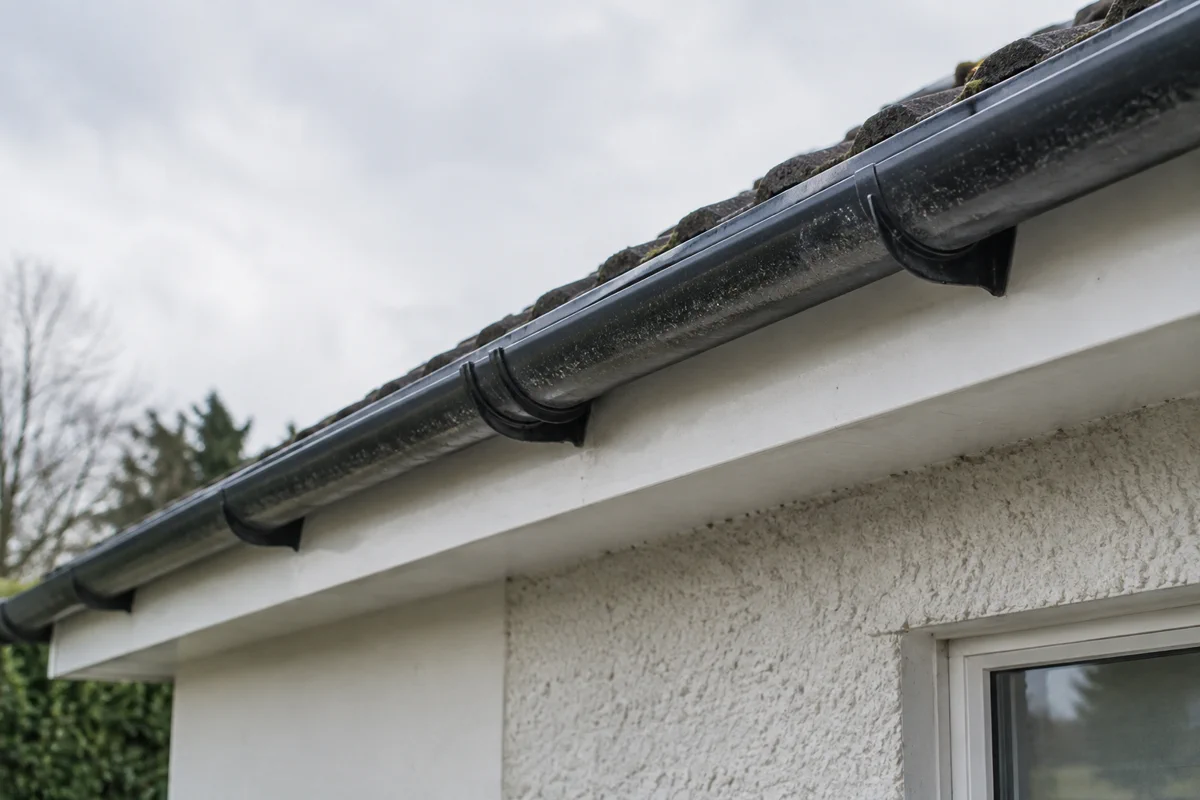
Ireland gets rain across most of the year and plenty of wind with it, and that combination is exactly what tests a gutter. A run that copes fine in a dry spell can be overwhelmed in a heavy downpour if it is even partly blocked, and the water then finds the wall instead of the pipe.
Wind adds the other half of the problem. Gusts drive leaves and debris into the gutters, work at brackets until they loosen, and on exposed coastal and rural homes can pull a poorly fixed run away from the fascia. Gutters here need clearing and checking more often than the material alone would suggest.
- Frequent rain means blockages overflow quickly
- Wind loosens brackets and fills gutters with debris
- Exposed and coastal homes need checking more often
When to act
Signs Your Gutters or Drainage Need Attention
Gutter and drainage problems show up on the outside of the house long before they reach the inside. Spotting them early is the difference between a low-cost clean and a repair to the wall behind. These are the signs Irish plumbers see most.
Overflowing Gutters in Rain
Water spilling over the front edge of the gutter during heavy rain usually means a blockage or a gutter that no longer falls towards the downpipe.
Sagging or Uneven Runs
A gutter that dips or pulls away from the fascia has loose or broken brackets, and will pool water instead of carrying it away.
Damp or Staining on Walls
Green streaks, dark patches or damp inside the wall below a gutter point to water running down the render rather than through the pipe.
Pooling Water at the Base
Puddles that sit at the foot of a downpipe after rain suggest the gully below is blocked or the ground drainage is not taking the water.
Leaking or Dripping Joints
A steady drip from a gutter joint or a downpipe connection means a failed seal or a cracked section that needs sealing or replacing.
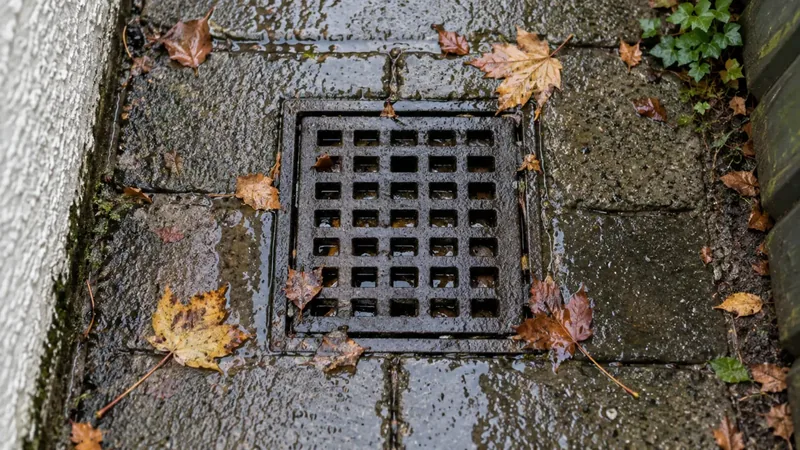
Blocked or Slow Gullies
A gully grate that backs up or drains slowly is full of leaves and silt, and left alone it sends rainwater back towards the wall.
The options
Gutter and Drainage Work in Ireland
Most jobs fall into one of four types, from a routine clean to a full replacement. Here is what sets them apart and what each typically costs before you get a quote.
Gutter Cleaning
Clearing leaves, moss and silt from the gutters and downpipes, then checking the run falls towards the outlet. The most common job in autumn and after storms, and the cheapest way to prevent overflow and damp.
from€80
Gutter Repair
Sealing leaking joints, replacing broken brackets, refitting a sagging run or swapping a cracked section. Suits gutters that are sound overall but failing at one or two points.
from€100
Full Replacement
Removing old or failed guttering and fitting a new run end to end, brackets, joints and outlets included. The right call when the material is brittle, the falls are wrong, or repairs are no longer holding.
from€400
Downpipes and Drainage
Replacing downpipes, refitting connections and clearing or renewing the gully at the base. Makes sure the water the gutter collects actually reaches the ground drainage and away from the wall.
from€120
2026 prices
How Much Does Gutter and Drainage Work Cost in Ireland?
Gutter and drainage work in Ireland costs €80 to €200 for a clean, €100 to €300 for a repair, and €400 to €1,200 for a full replacement in 2026, with labour and VAT included. The final figure depends on how much of the run is affected, the height, and how easy the work is to reach.
- Get the falls and brackets checked as part of any clean
- A single-storey run costs less than a two-storey run to reach
- Bundling a clean, repair and downpipe in one visit saves on call-out
Every house is different. Your plumber will price on the length of run, the height and the access, so treat the figures on the right as a budgeting guide, not a quote.
- Gutter cleaning, whole house €80–200
- Gutter repair, per section €100–300
- Full gutter replacement €400–1,200
- Downpipe replacement €120–350
- New gully or outside drain €200–600
- Call-out and inspection €60–100
Indicative ranges only. Always confirm with a written quote.
What Affects the Price of Gutter Work
Height and Access
A two-storey or three-storey run needs a longer ladder or a tower, which adds time and, on some homes, edge protection to the cost.
Length of Run
Cleaning or replacing the gutters on all four sides of a house costs more than a single front elevation, priced by the metre of run.
Gutter Material
A like-for-like uPVC replacement is the cheapest. Aluminium and cast iron cost more in both material and the labour to fit them.
Extent of Damage
A single leaking joint is a quick repair. Widespread brittle or broken sections push you towards a full replacement instead.
Prevention
Catching Problems Before They Cause Damp
The cheapest gutter job is the one that stops a bigger one. A gutter that overflows or leaks sends water down the wall, and over a wet Irish winter that shows up as damp render, staining, and eventually moisture inside the house that costs far more to put right than the gutter ever would.
A clean and a quick check once or twice a year, in autumn after the leaves drop and again after winter storms, keeps the run clear and catches loose brackets or a failing joint while they are still a small repair. It is routine, low-cost work that protects the fabric of the house.
- Overflowing gutters are a leading cause of wall damp
- A twice-yearly clean catches faults while they are small
- A small repair now beats a damp repair later
On the day
How Gutter and Drainage Work Is Done
A clean or a section repair is usually a half-day job, a full replacement closer to a day. Here is how a plumber works through it, from checking the run to testing the flow.
Inspect the Full Run
The plumber checks the gutters, joints, brackets and downpipes along every elevation, and looks at the gully at the base before pricing the work.
Clear Leaves and Debris
Leaves, moss and silt are cleared from the gutters and downpipes so water can move freely and any underlying damage is visible.
Repair or Replace Sections
Failed joints are sealed, loose brackets refitted, and cracked or brittle sections swapped, or the whole run replaced where repairs will not hold.
Reset the Falls
The run is set to fall towards the outlet so rainwater is carried to the downpipe rather than pooling or spilling over the front edge.
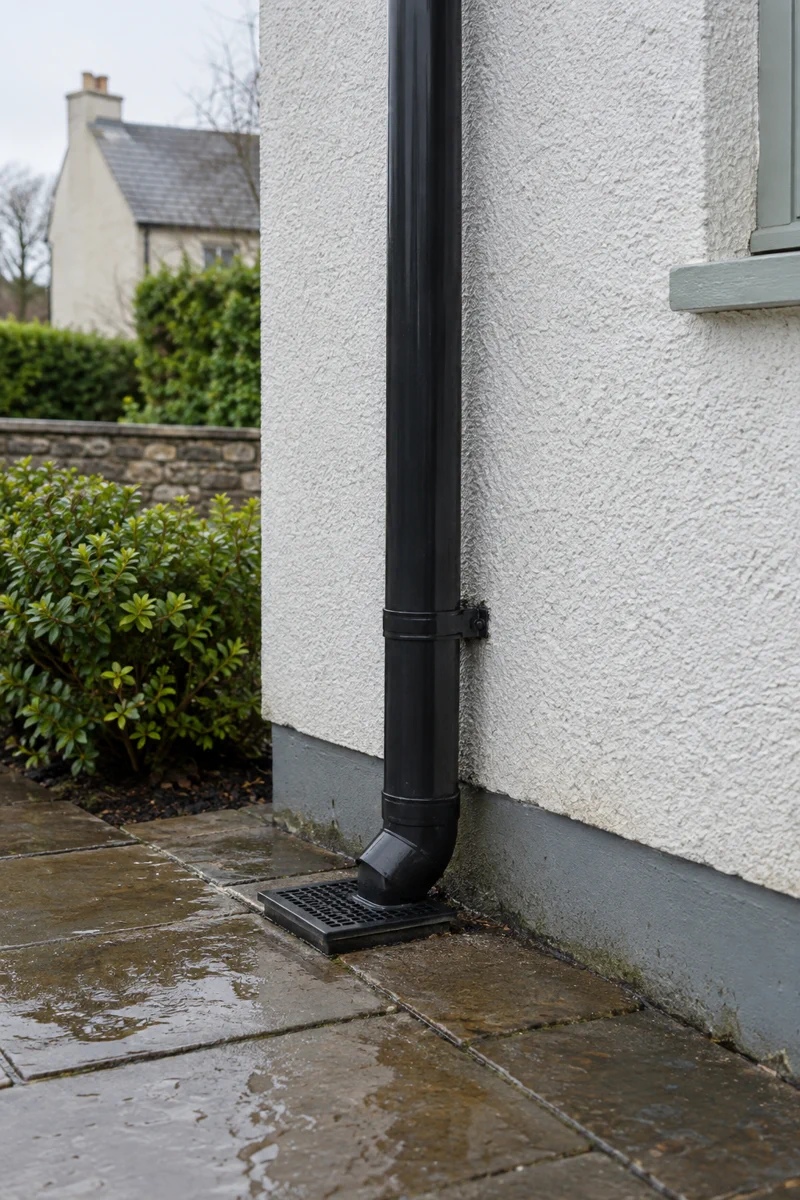
Clear the Downpipe and Gully
The downpipe and the gully at the base are cleared or renewed so the water the gutter collects reaches the ground drainage cleanly.
Test the Flow
Water is run through the gutter to confirm it drains fully, with no overflow, no drips at the joints and no pooling at the base.
Materials
uPVC, Aluminium or Cast Iron
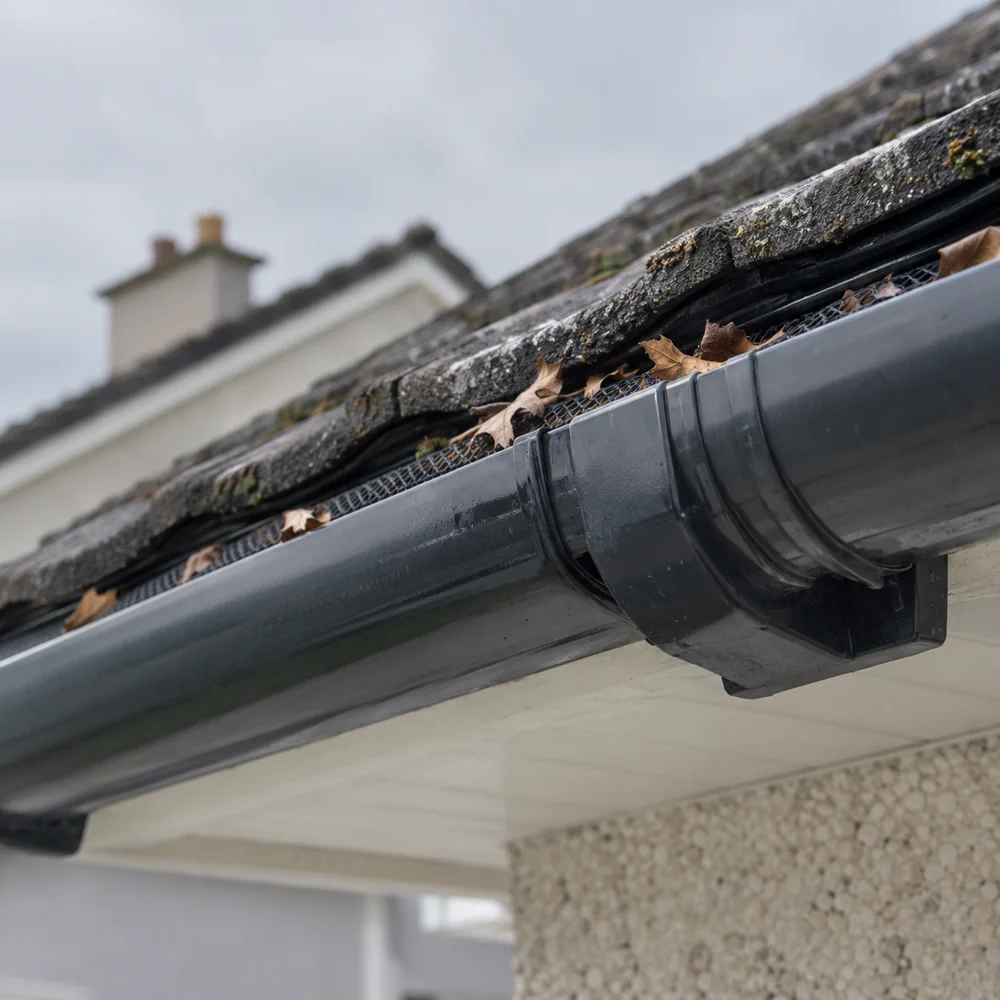
Most Irish homes are on uPVC guttering. It is the cheapest to supply and fit, it does not rust, and a like-for-like replacement is straightforward, which is why it is the default choice for a standard house. Its weakness is that it can grow brittle with age and UV, and older runs crack rather than flex.
Aluminium sits a step up: lighter than cast iron, resistant to rust, and often fitted as a seamless run for fewer joints to fail. Cast iron is the traditional choice on period and protected properties, heavier and longer lasting but more expensive to supply and to fit. On most homes the right answer is a sound uPVC or aluminium run, matched to the house.
- uPVC is the cheapest and most common choice
- Aluminium resists rust and can be fitted seamless
- Cast iron suits period and protected homes
Hiring
How to Choose a Plumber for Gutters and Drainage
Gutter and drainage work is not a licensed trade the way gas is, so the check is different: look for the right cover, a clear scope and someone set up to reach the run safely.
Check They Are Insured
Work at height carries risk. Confirm the plumber holds public liability insurance before any ladder goes up against your house.
Get an Itemised Quote
A good quote names the elevations, whether it is a clean, repair or replacement, and any downpipe or gully work, not just a single figure.
Ask About Access
For a two-storey or awkward run, ask how they will reach it. The right ladder or tower is safer and often faster than improvising.
Look for Local Reviews
Recent reviews from the same county tell you the plumber turns up, prices fairly and leaves the gutters draining as they should.
Local coverage
Gutter and Drainage by County in Ireland
How often your gutters need clearing, and how exposed your home is to wind-driven rain, comes down to where you live. Choose your county for local 2026 prices and plumbers who cover gutter and drainage work.
Leinster
12 countiesFrom Dublin terraces with shared gutter runs to detached homes across the Meath, Kildare and Wicklow commuter belt, tree cover and steady rainfall keep gutter cleaning and repair a regular job right across the province.
Munster
6 countiesCork, Kerry and the south west catch some of the wettest weather in the country, and exposed rural and coastal homes see gutters fill and brackets work loose faster than sheltered town properties do.
Connacht
5 countiesGalway, Mayo and the western seaboard take the full force of Atlantic wind and rain. Exposed sites and older rural housing mean sagging runs, wind-driven debris and downpipe faults are common here.
Common questions
Gutter and Drainage Questions From Irish Homeowners
How much does gutter cleaning cost in Ireland in 2026?
Gutter cleaning costs €80 to €200 for a typical house in 2026, with labour and VAT included. A single-storey home at the lower end and a larger two-storey home with all four elevations towards the top. Most plumbers check the falls and brackets as part of the same visit.
How much does gutter repair cost in Ireland?
A gutter repair costs €100 to €300 per section in 2026, covering sealing a leaking joint, refitting a sagging run or replacing a cracked length. The final price depends on how many points are affected and how easy the run is to reach.
How much does a full gutter replacement cost in Ireland?
A full gutter replacement costs €400 to €1,200 in 2026, depending on the length of run, the height of the house and the material. A like-for-like uPVC replacement on a standard home sits in the middle of that range, with aluminium and cast iron costing more.
How often should gutters be cleaned in Ireland?
Most Irish homes benefit from clearing the gutters once or twice a year, typically in autumn after the leaves drop and again after winter storms. Homes near trees or on exposed coastal and rural sites often need it more often, as wind drives debris into the run.
What causes gutters to overflow?
The two common causes are a blockage of leaves and silt stopping the water reaching the downpipe, and a run that no longer falls towards the outlet because brackets have loosened or the gutter has sagged. Both are usually fixed with a clean and a bracket adjustment.
Can a blocked gutter cause damp inside the house?
Yes. A gutter that overflows or leaks sends water down the external wall, and over a wet winter that can soak the render and show up as damp inside. Clearing and repairing the gutter early is far cheaper than putting right the damp it causes.
Should I choose uPVC, aluminium or cast iron guttering?
uPVC is the cheapest and most common choice, does not rust and is easy to replace like for like. Aluminium costs more but resists rust and can be fitted seamless. Cast iron suits period and protected homes, and lasts longest but is the most expensive to supply and fit.
Do plumbers clear blocked outside drains and gullies too?
Many plumbers who handle guttering also clear the downpipe and the gully at the base, so the rainwater the gutter collects reaches the ground drainage. Clearing a blocked gully or fitting a new one typically costs €200 to €600 depending on the work involved.
Find a Plumber for Gutters and Drainage
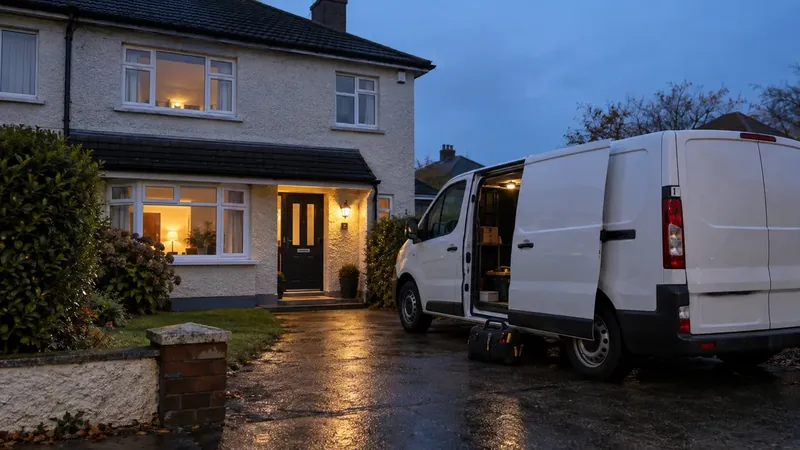
Gutter and drainage quotes from plumbers in every county. Contact them directly, no fees, no sign-up.
Browse plumbers by county