
Gas, oil & heat pump · Ireland
Central Heating Installation in Ireland: Cost, Systems and Installers
New gas, oil and heat-pump central heating, with county-by-county guidance on what it costs, which system suits your home, how a full install runs, and how to choose the right installer.

The short version
Central heating installation in Ireland costs €4,500 to €9,000 for a full gas system in 2026, more for oil or a heat pump. The number of radiators, the pipework and the controls decide most of the price. Choose your county below for local installers, or read on for the systems, the 2026 costs, and how a full install runs.
A central heating system ties together a boiler or heat pump, radiators, pipework and controls into one job, so the installer who sizes and balances it matters as much as the boiler itself. Whether it is a full gas system in a Dublin semi, an oil system in a rural bungalow, or a heat pump upgrade with a grant behind it, the same things decide the outcome: the heat loss of the house, the number of radiators, and how well the system is commissioned.
Sizing it right
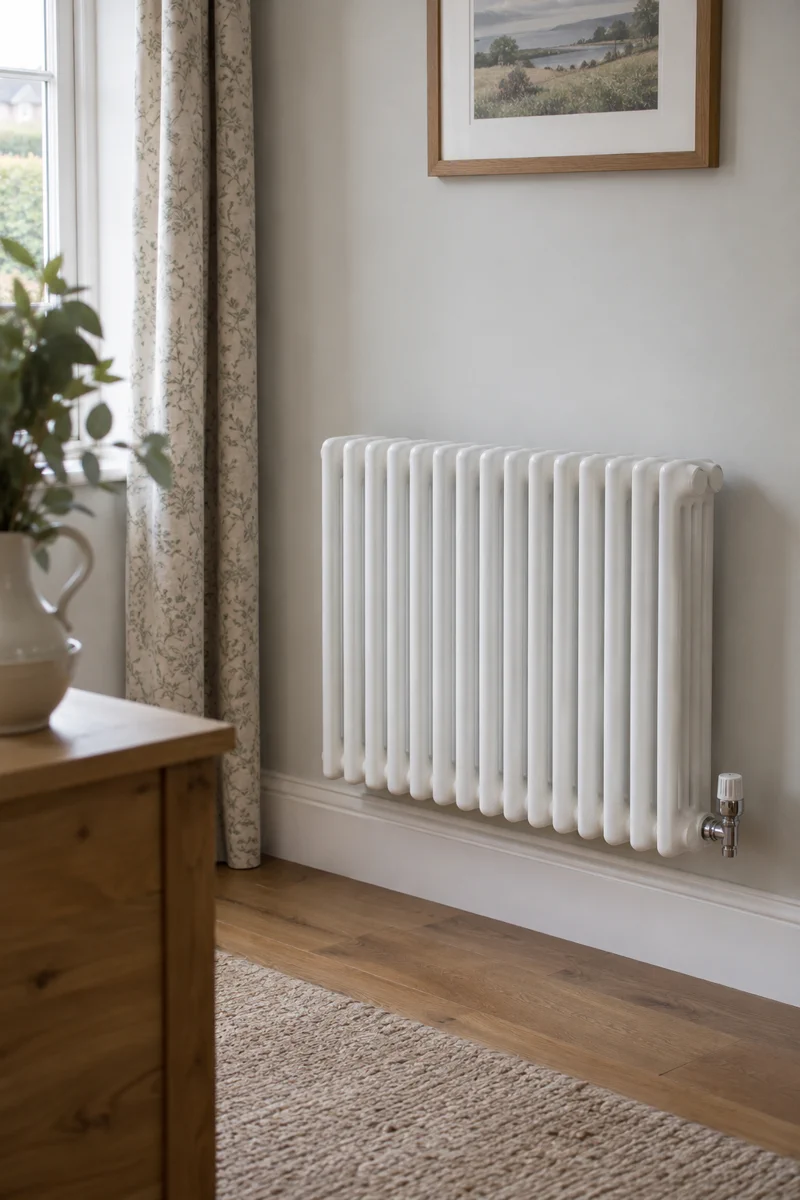
A System Sized to Your Home
A heating system is only as good as the survey behind it. A good installer sizes the boiler and every radiator to a heat-loss calculation, not a rule of thumb, so no room is left cold and nothing is oversized and wasteful.
Get the sizing and the controls right and the system heats evenly, runs cheaper, and lasts.
- Radiators sized to each room
- Zoning so you only heat what you use
- A system balanced before sign-off
When to upgrade
Signs Your Central Heating Needs Upgrading
A heating system rarely fails all at once. If yours is old, expensive to run or slow to heat, upgrading the whole system is usually better value than patching it. These are the signs Irish plumbers see most.
Ageing Boiler and Radiators
A system over fifteen years old on an old boiler and steel radiators is usually worth replacing as one job.
High Running Costs
An old, uncontrolled system burns more fuel than a modern zoned one, so the bills climb every winter.
Cold Rooms and Slow Heat
Rooms that never warm up, or a system slow to come up to temperature, point to sludge, sizing or poor balancing.
Noisy Pipes and Radiators
Banging, ticking or gurgling as the heating comes on usually means air or sludge sitting in the system.
No Zoning or Timer Control
One thermostat for the whole house wastes heat. Zoning and smart controls cut waste and can qualify for grants.
Frequent Leaks or Bleeding
Radiators you bleed constantly, or joints that weep, are a sign the system is near the end of its life.
The law
Central Heating and the Law in Ireland
Where central heating runs on natural gas or LPG, the boiler and gas pipework must be installed by an RGI-registered gas installer, under the Energy (Miscellaneous Provisions) Act 2006. The radiators, pipework and controls can be fitted by a general plumber, but the gas connection and commissioning are RGI-only.
Oil-fired central heating sits outside the gas scheme, so look for an OFTEC-certified installer for the boiler. For a heat pump system, the installer must be SEAI-registered for you to claim the grant, so confirm which registers your installer holds before you book.
- RGI registration is required by law for all gas work
- An unregistered installer cannot certify the system
- Oil-fired systems need an OFTEC-certified installer
- A heat pump grant needs an SEAI-registered contractor
How Long Does It Take?
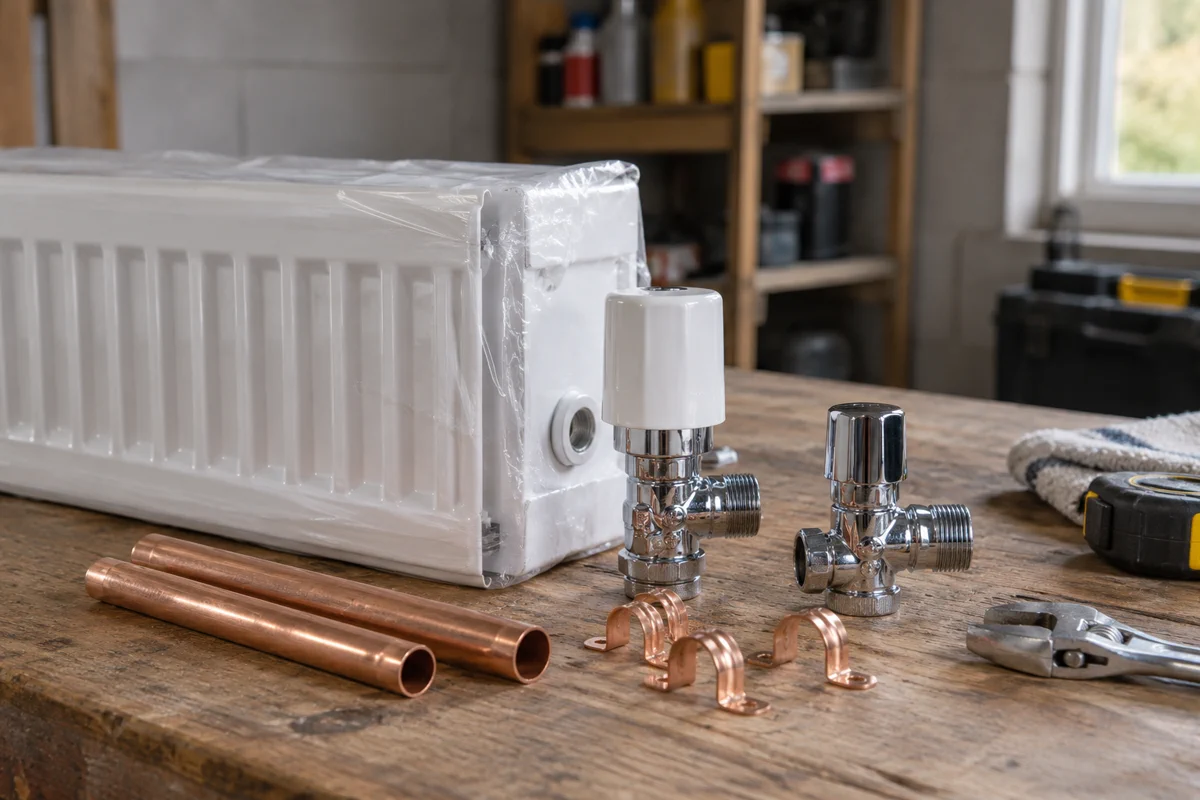
A full gas central heating install takes three to five days. A heat pump with new radiators and a cylinder takes a week or more.
SEAI Heat Pump Grant
Up to €12,500 towards a heat pump central heating system, through an SEAI-registered contractor.
Who Fits the Radiators?
A general plumber can fit radiators, pipework and controls. Only the gas boiler connection and commissioning must be done by an RGI installer.
Oil Systems Need OFTEC
For oil-fired central heating, look for an OFTEC-certified installer, the recognised qualification for oil boilers in Ireland.
The options
Which Central Heating System Suits Your Home?
Gas, oil, heat pump or electric: each suits a different home and fuel supply, and carries a different installed price. Here is how they compare before you get a quote.
Gas Central Heating
A gas boiler feeding radiators through the house. The most common system where mains gas is available, efficient and quick to heat.
from€4,500
Oil Central Heating
For homes off the gas grid, a condensing oil boiler feeding radiators. Common across rural Ireland, with an external oil tank.
from€5,000
Heat Pump Heating
An air-source heat pump running lower-temperature radiators or underfloor heating. SEAI-grant eligible and cheap to run in a well-insulated home.
from€8,000
Electric Heating
Electric radiators or storage heaters, with no boiler or pipework. Simple to fit but more expensive to run, suited to apartments and small homes.
from€3,000
2026 prices
How Much Does Central Heating Installation Cost in Ireland?
A full gas central heating system in Ireland costs €4,500 to €9,000 in 2026, oil €5,000 to €10,000, and a heat pump €8,000 to €15,000 before the SEAI grant. The number of radiators, the pipework runs and the controls move the price most.
- Get an itemised quote covering boiler, radiators, pipework and controls
- Zoning and smart controls add €400 to €900 but cut running costs
- A power flush on an old system before an upgrade adds €200 to €400
Every home is different. The heat loss of the house, the number of radiators and the fuel you choose all change the price, so treat the figures on the right as a budgeting guide, not a quote.
- Full gas system installed €4,500–9,000
- Full oil system installed €5,000–10,000
- Heat pump system, pre-grant €8,000–15,000
- Extra radiator, supplied and fitted €150–350
- Smart zoning controls €400–900
- Power flush before an upgrade €200–400
Indicative ranges only. Always confirm with a written quote.
What Affects the Price of Central Heating
Number of Radiators
More radiators mean more pipework, labour and materials, so the room count drives the base price of the system.
Pipework Access
A house with easy floor and attic access is quicker to pipe than a solid-floor or finished home where routes are tight.
Controls and Zoning
Smart thermostats and zoning add cost up front but cut running costs and can qualify for SEAI support.
Fuel and Boiler Choice
Gas, oil and heat pump systems carry very different equipment costs, and a premium boiler adds to the total.

SEAI grants
SEAI Grants for Central Heating Upgrades in 2026
Grants are available for a heat pump system (up to €12,500), heating controls (€700) and solar water heating (€1,200), through SEAI-registered contractors. A straight gas or oil boiler swap does not qualify, but upgrading your controls or moving to a heat pump does. Insulating first makes any heating upgrade work better and cost less to run.
See SEAI-registered plumbersThe process
How a Central Heating Installation Runs
A full system install runs as a sequence over several days. Here is how an installer works through it, from the heat-loss survey to commissioning.
Survey and Design
The installer sizes the boiler and radiators to the house on a heat-loss calculation, plans the pipework and agrees a quote.
Isolate and Strip Out
The old boiler, radiators or pipework being replaced are drained down and removed.
First Fix Pipework
New flow and return pipework is run to each radiator position through the floors and attic.
Fit Boiler, Radiators and Controls
The boiler, radiators, valves and thermostat or zoning controls are mounted and connected up.
Fill, Flush and Balance
The system is filled, flushed, dosed with inhibitor and balanced so every radiator heats evenly.
Commission and Certify
A gas system is commissioned by the RGI installer, who issues the completion certificate for the work.
Hiring
How to Choose a Central Heating Installer
A heating system is only as good as the survey and commissioning behind it. Here is what to check before you book an installer.
Check RGI and OFTEC Cover
For gas, confirm RGI registration; for oil, OFTEC. For a heat pump grant, the installer must be SEAI-registered too.
Get an Itemised Quote
The quote should list the boiler model, the number of radiators, the controls and the labour separately, so you can compare like for like.
Ask About Heat-Loss Sizing
A good installer sizes the boiler and radiators to a heat-loss calculation, not a rule of thumb, so the system is not over or undersized.
Confirm Warranty and Service
Check the boiler warranty terms and that an annual service is priced in, since most warranties depend on one to stay valid.
Local coverage
Central Heating Installation by County in Ireland
What you pay and which fuel makes sense come down to where you live and whether mains gas reaches you. Choose your county for local 2026 prices and heating installers near you.
Leinster
12 countiesMost of Leinster is on the natural gas grid, so gas central heating is the common choice, from Dublin terraces to new builds across the Meath, Kildare and Wicklow commuter belt.
Munster
6 countiesCork and Limerick cities sit on the gas network, but much of rural Munster and Kerry is off-grid on oil, so oil systems and heat pump upgrades make up much of the work.
Connacht
5 countiesNatural gas barely reaches the west, so Galway, Mayo and the surrounding counties rely on oil central heating, with heat pumps growing in well-insulated newer homes.
Common questions
Central Heating Installation Questions From Irish Homeowners
How much does central heating installation cost in Ireland in 2026?
A full gas central heating system costs €4,500 to €9,000 in 2026, oil €5,000 to €10,000, and an air-source heat pump €8,000 to €15,000 before the SEAI grant. The number of radiators, the pipework and the controls move the final price.
Do I need an RGI installer for central heating in Ireland?
For the gas boiler and gas pipework, yes, an RGI-registered installer is required by law. The radiators, pipework and controls can be fitted by a general plumber, but the gas connection and commissioning must be done by an RGI installer.
How long does it take to install central heating?
A full gas central heating install takes three to five working days. Oil is similar, while a heat pump system with new radiators and a hot water cylinder can take a week or more.
What central heating system is best for my home?
Where mains gas is available, a gas system is usually the cheapest to install. Off the gas grid, oil is common. A heat pump is the cheapest to run in a well-insulated home and is the only option that attracts a large SEAI grant.
Can I get an SEAI grant for central heating in Ireland?
Grants apply to heat pump systems (up to €12,500), heating controls (€700) and solar water heating (€1,200), through SEAI-registered contractors. A standard gas or oil boiler replacement does not qualify on its own.
How many radiators do I need?
It depends on the size and heat loss of each room, not a fixed number. A typical three-bed Irish home has eight to twelve radiators, and a good installer sizes them to a heat-loss calculation rather than a rule of thumb.
Should I get a power flush before a new system?
If you are keeping any existing radiators or pipework, a power flush clears the sludge that would otherwise foul a new boiler and cause cold spots. Budget €200 to €400 for it, especially on an older system.
What are heating controls and zoning?
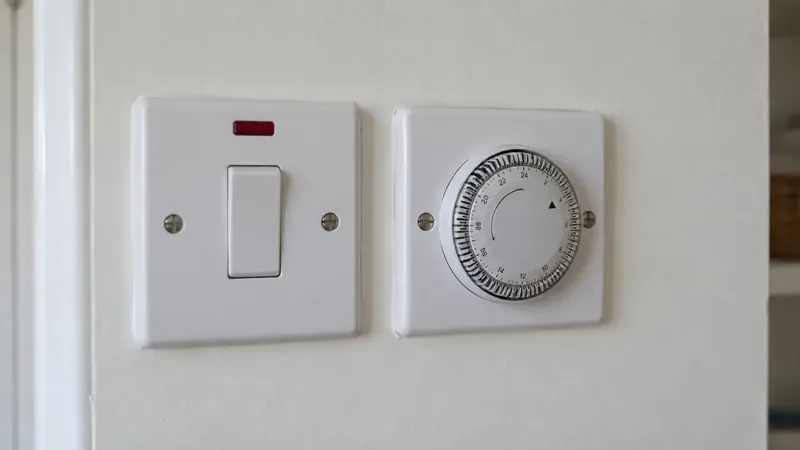
Zoning splits the house into areas, upstairs and downstairs for example, each with its own thermostat and timer, so you only heat what you use. Smart controls add app control and can qualify for an SEAI grant.
Find a Central Heating Installer Near You
Central heating quotes from RGI-registered installers in every county. Contact them directly, no fees, no sign-up.
Browse gas installers