
Heating installers · Dublin
Central Heating Installation in Dublin: Gas, Oil and Heat Pump Systems
Find an installer for a full central heating system, a boiler and radiators upgrade or a new heat pump across Dublin. 2026 prices, SEAI grant guidance and heating installers from Dublin City to Finglas.

Central heating installation in Dublin
Dublin has the highest density of RGI registered gas installers in Ireland, reflecting the city's extensive natural gas network and high population. The Gas Networks Ireland infrastructure covers all Dublin postcodes and extends into surrounding suburbs, meaning the vast majority of homes and businesses in the county can access natural gas. With housing stock ranging from Victorian terraces to modern apartments and large commercial estates, gas installers in Dublin carry out a wide variety of work across all property types.
Dublin's housing mix of Victorian terraces, 1960s semis and modern apartments means plumbing systems vary enormously from one street to the next. Pre-1970s homes often have original copper pipework that corrodes at joints, while newer estates have plastic pushfit systems that occasionally develop pressure problems.
The law
Central Heating and the Law in Dublin
A wet central heating system in Dublin is a mix of trades. The radiators, pipework and controls are general heating and plumbing work, but the gas boiler at the heart of the system must be installed by an RGI-registered gas installer for any boiler running on natural gas or LPG, as required by the Commission for Regulation of Utilities (CRU). An unregistered installer cannot certify the gas element, and your insurer may ask for certification if you ever claim.
The installers listed here cover the whole county, taking in Dublin city centre, Finglas, Clontarf, Rathfarnham, Tallaght, Blanchardstown, Swords, Malahide, Dún Laoghaire and Bray. Gas installers are listed from the RGI public register, so verify any registration number at rgi.ie before you hire.
- Gas boiler work must be done by an RGI-registered installer, as set by the CRU (see rgi.ie)
- Radiators, pipework and controls are general plumbing work
- A gas safety certificate is issued when the work is done
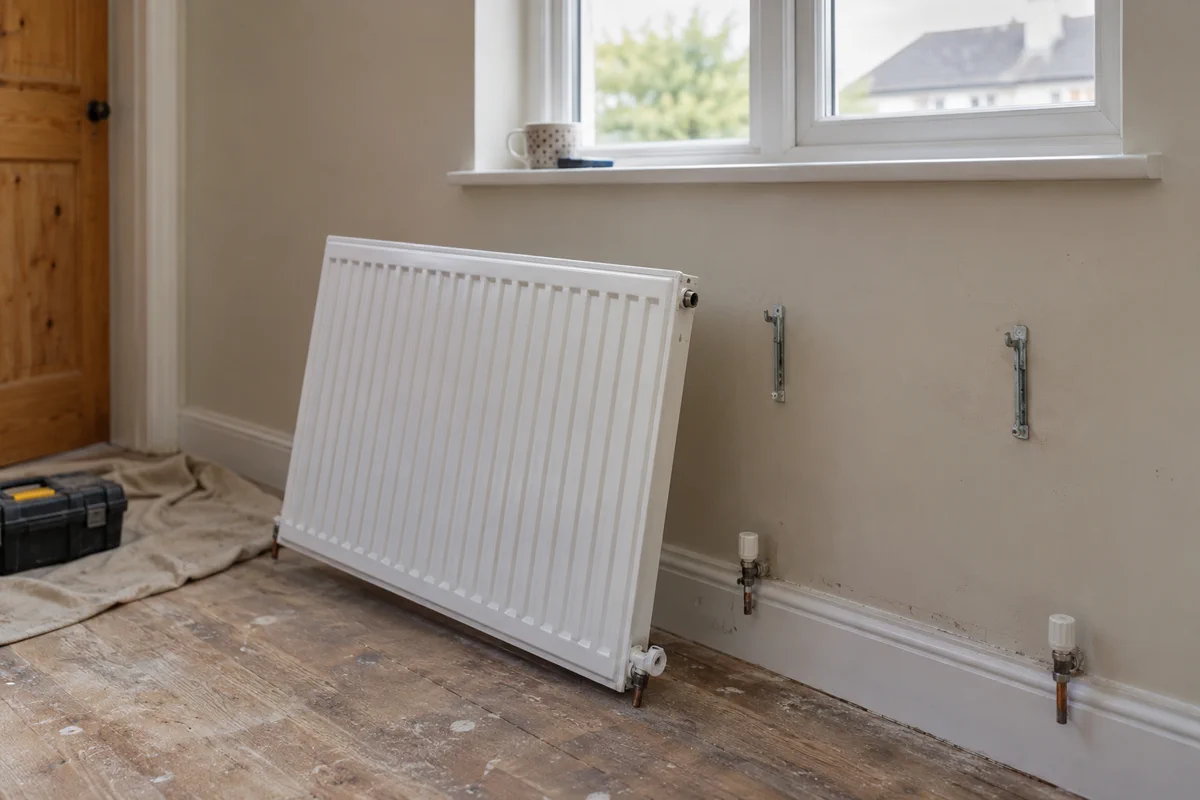
How Long It Takes in Dublin
A full system install takes two to four working days. A boiler and radiators upgrade is two to three, while adding controls takes one.
SEAI Grants for Dublin Homes
SEAI runs grants for heat pump systems and heating controls upgrades, paid through SEAI-registered contractors. Check the current amounts at seai.ie.
The options
Which Heating System Suits Your Dublin Home?
Natural gas is the dominant fuel source across Dublin, with very high connection rates in all postcodes from Dublin 1 through Dublin 24 and across Fingal, South Dublin and Dún Laoghaire–Rathdown.
Gas Central Heating
A gas boiler feeding radiators and hot water through modern zoned controls. The common choice around Dublin City and the easiest system to bring up to fully pumped. Supply and fit.
from€4,500
Oil Central Heating
For homes off the gas network on the rural fringes of Dublin. A condensing oil boiler drives the radiators and cylinder, with new controls added to lift efficiency. SEAI grants apply when moving to a heat pump.
from€4,800
Heat Pump Central Heating
An air source heat pump running low-temperature radiators or underfloor pipework. Best paired with good insulation and larger radiators, and it may be eligible for an SEAI heat pump grant. Check the current amount with SEAI.
from€6,000
2026 prices
Central Heating Cost in Dublin 2026
Typical Dublin ranges for a whole-system approach. All figures include labour and VAT.
- Get an itemised quote covering boiler, radiators, pipework and controls
- Heating controls and zoning add €350 to €900 but cut running costs
- A power flush before an upgrade adds €400 to €700
Dublin has notably hard water, with limescale building up in boilers, shower heads and radiators faster than in most Irish counties. Regular boiler servicing and scale inhibitors are recommended for homes connected to the Dublin municipal supply.
Indicative 2026 ranges. Always confirm with a written quote before work begins.

SEAI grants
SEAI Grants for Dublin Heating Upgrades
SEAI runs grants for a heat pump system and a heating controls upgrade. A like-for-like gas or oil boiler swap has not generally been covered, and grants are paid through SEAI-registered contractors. Amounts and rules change, so check the current position with SEAI before any work begins.
Current grant amounts and contractor rules are published by SEAI at seai.ie. A fabric-first upgrade makes the biggest difference to running costs, and insulation fitted by an SEAI-registered contractor qualifies for its own grant.
See SEAI-registered plumbersHiring
How to Hire a Heating Installer in Dublin
The gas boiler in any Dublin system must be fitted by an RGI-registered installer. Here is how to verify and hire correctly for the whole job.
-
Browse Gas and Heating Installers in Dublin
Gas installers in the Dublin directory are listed from the RGI public register. Browse the county, find installers near you and ask each one whether they cover central heating work. You can verify any RGI registration number at rgi.ie.
-
Get Three Written Quotes for the System
Quotes should name the boiler or heat pump model, the number of radiators, the controls being fitted and any pipework changes. A quote without a named heat source is incomplete, since the specification affects warranty terms, SEAI grant eligibility and long-term running costs.
-
Confirm SEAI Registration if Claiming a Grant
SEAI sets the contractor and eligibility rules for heat pump and heating controls grants. Check the current rules at seai.ie, confirm your installer meets them before any grant-eligible work begins, and keep the paperwork for your application.
-
Request Certification on Completion
A gas boiler at the heart of the system must come with a gas safety certificate on the day the work is completed. Keep it with your home insurance documents and BER certificate, because without it the gas work is unverifiable and buyers or insurers may ask for it.
Local coverage
Central Heating Across Dublin: Areas Covered
Dublin winters are milder than inland counties but sudden cold snaps still catch exposed pipes in unheated attics and north-facing external walls. The coastal areas of south Dublin experience higher wind exposure that can affect flue installations.
Dublin accounts for the highest volume of plumbing work in Ireland by far. Emergency call-out times can be longer in rush-hour traffic conditions, so it's worth having a regular plumber relationship rather than searching in a crisis.
Every area above is served by registered gas installers in the Dublin gas installer directory.
Common questions
Central Heating in Dublin: Common Questions
How much does central heating installation cost in Dublin in 2026?
A full wet central heating system in Dublin costs €4,500 to €7,500 in 2026, taking in the boiler, radiators, controls and pipework. A boiler and radiators upgrade is €3,500 to €5,500, and heating controls with zoning €350 to €900. Figures include labour and VAT.
How long does central heating installation take in Dublin?
A full central heating system install in Dublin takes two to four working days depending on the number of radiators and the pipework involved. A boiler and radiators upgrade is usually two to three days, while adding controls or zoning to an existing system takes one day.
Do I need an RGI-registered installer in Dublin?
Yes, for the gas boiler. A central heating system in Dublin running on natural gas or LPG must have the boiler installed by an RGI-registered gas installer, as required by the Commission for Regulation of Utilities (CRU). You can check the rules at rgi.ie. The radiators, pipework and controls are general heating and plumbing work, but the gas boiler element must be certified.
Is there an SEAI grant for central heating in Dublin?
A standard gas or oil boiler swap has not generally been covered by a direct SEAI grant. SEAI runs grants for heat pump systems and heating controls upgrades, and separate grants for insulation. Amounts, eligibility and any home age requirements change, so check the current rules at seai.ie before you apply.
What is the best fuel for central heating in a Dublin home?
On the gas grid, gas central heating is a common choice in Dublin. For a well-insulated home a heat pump is a low-carbon option that may attract an SEAI grant. Your installer sizes the system to the property and its insulation level.
Can I upgrade an old gravity system to fully pumped in Dublin?
Yes. Converting an open-vent gravity system to a fully pumped, sealed setup with modern controls is one of the most common central heating upgrades in Dublin. It improves efficiency and comfort, and is usually done alongside a new boiler and a power flush to clear years of sludge.
Get Central Heating Quotes in Dublin
Central heating in Dublin, from full system installs to boiler and radiator upgrades and heat pump conversions, matched to installers near you. Free, no obligation, reply within 24 hours.